What Does Replacement Window Mean: Pocket vs Full-Frame Installation
Figuring out what does replacement window mean became my main puzzle three summers ago when my local contractor asked whether I wanted a pocket insert or a total frame tear-out for my drafty kitchen. Homeowners often use the term window replacement to describe any glass upgrade, yet the construction method changes labor hours and final invoices drastically. When you examine what does replacement window mean for your specific house, you realize that choosing the right installation style prevents structural rot and saves hundreds in unnecessary carpentry fees.
What Does Replacement Window Mean — Overview
Key facts to know first
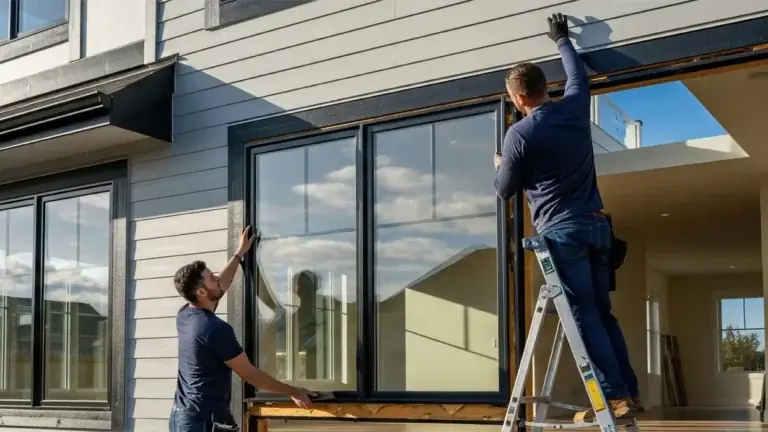
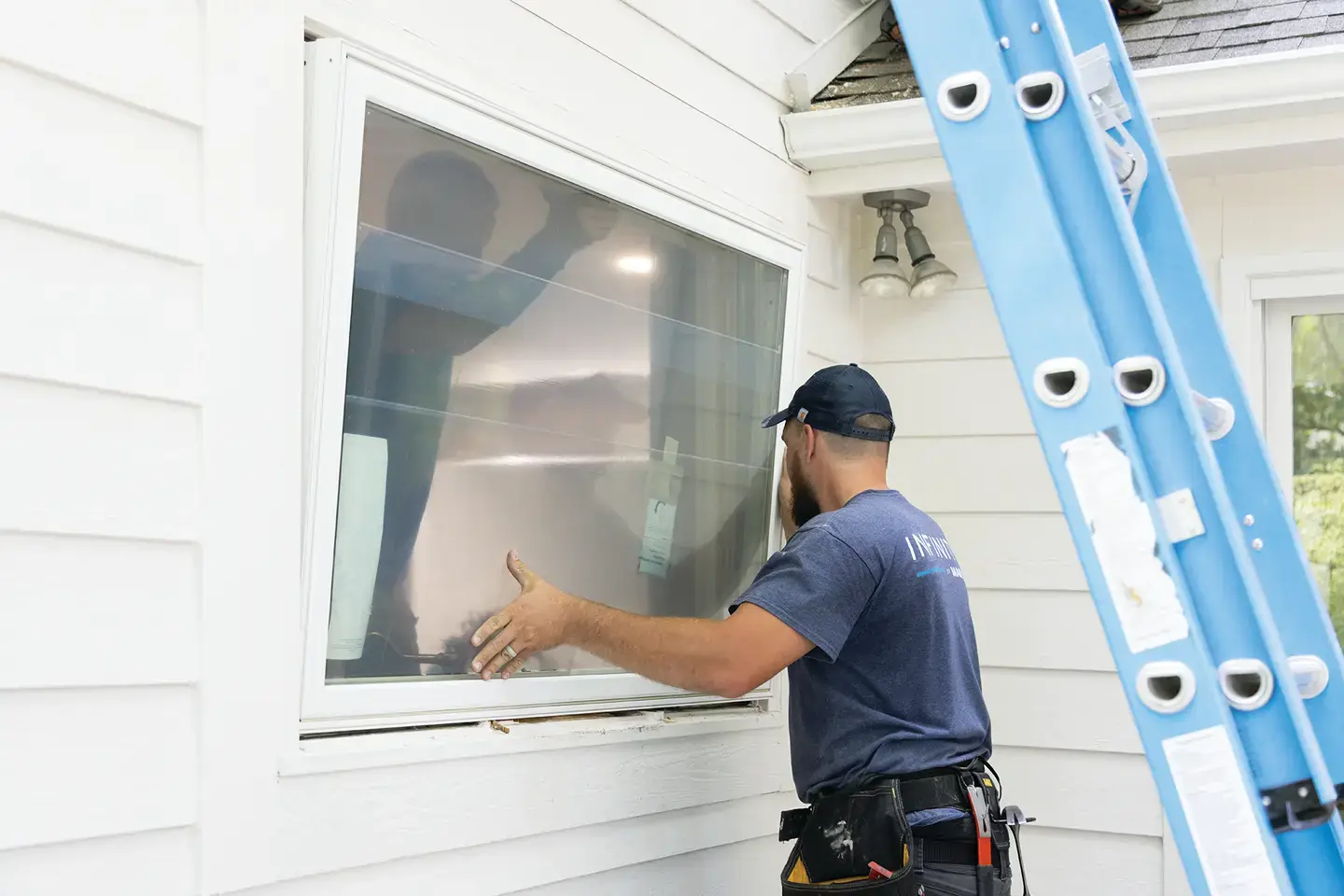
Understanding what does replacement window mean requires separating simple sash swaps from complete architectural frame reconstruction. A standard pocket replacement slides a brand-new self-contained window unit directly inside your existing window frame without disturbing interior trim or exterior siding. According to data published by the U.S. Department of Energy, upgrading drafty residential glazing improves thermal efficiency significantly while keeping installation time down to less than two hours per opening.
What most people get wrong
Property owners frequently assume that every window swap involves ripping out the entire wall structure down to the wooden studs. In reality, unless your existing wood frame suffers from severe water rot or mold damage, a pocket installation preserves your historic interior trim and original exterior brickmold. Another common misconception is that replacement windows include full wall siding repairs by default.
Pocket installation mechanics
A pocket replacement works best when your exterior frame, sill slope, and structural jambs remain completely square and free of moisture decay. Installers simply remove the old sashes, weights, and parting beads, slide the new vinyl or composite insert into place, and secure it with exterior fasteners. This efficient method slashes labor expenses while giving you brand-new insulated glass and smooth operating sashes.
Full-frame installation requirements
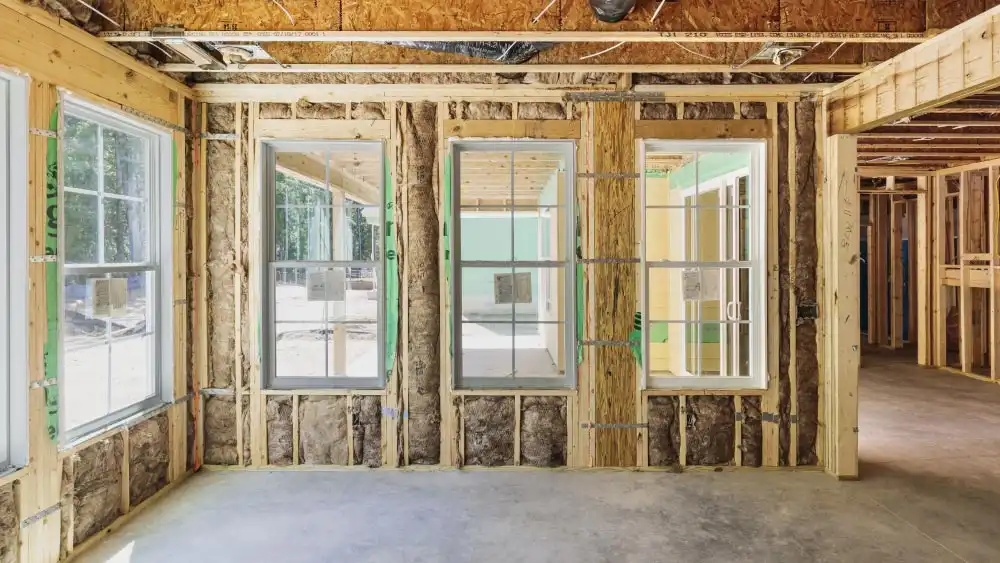
Full-frame replacement becomes mandatory when old wooden frames are water-logged, warped, or when you want to change the actual width and height of the opening. Contractors strip everything down to the bare wall studs, install a brand-new sloped sill pan, and apply fresh exterior flashing tape before mounting the new unit. While this method costs 30 to 50 percent more, it fixes hidden moisture damage permanently.
Pocket Replacements Vs Full-Frame Retrofits
Comparing labor effort and home disruption
Choosing between pocket inserts and full-frame units depends heavily on the condition of your window framing and your renovation budget. Here is how both installation approaches compare in real-world residential projects:
-
Pocket Window Replacement: Reuses existing exterior frames, takes under two hours per window, preserves original interior trim, and costs considerably less in labor fees.
-
Full-Frame Replacement: Strips the opening down to bare studs, allows custom sizing changes, replaces rotting lumber, and requires new interior casing work.
-
New Construction Windows: Features an integrated nailing fin designed specifically for brand-new home additions or total exterior siding remodels.
Accounting for hidden structural repairs
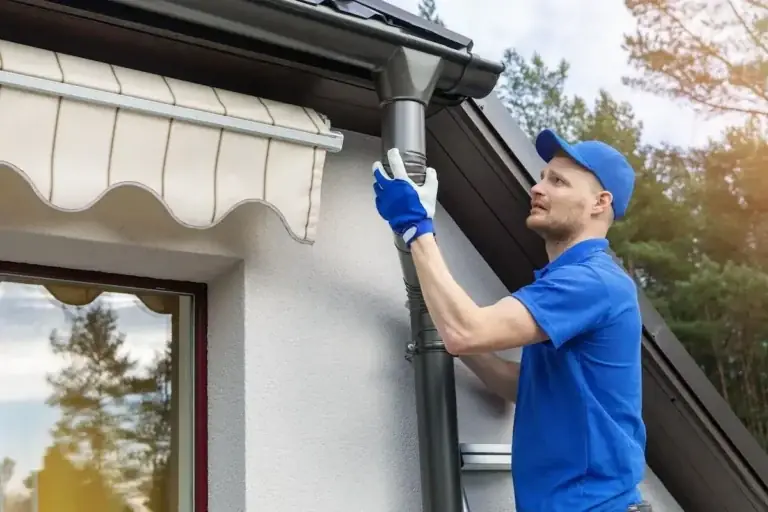
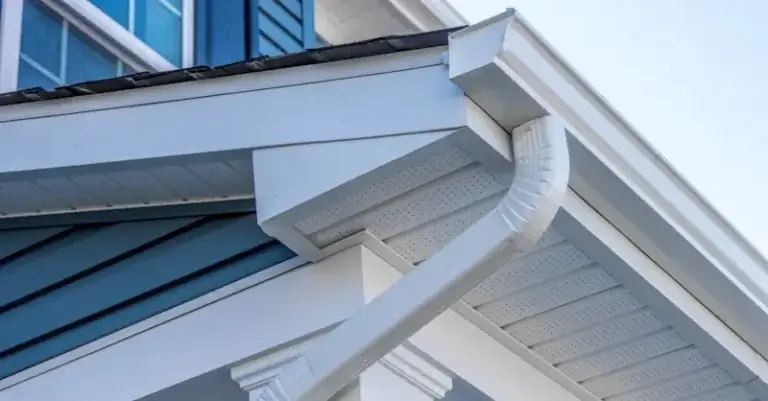
Pulling out old rotted framing often reveals water-damaged studs or crumbling sub-sills that require immediate carpentry attention before new glass goes in. Contractors must replace spongy wood to ensure flashing tape and low-expansion foam create a permanent weather-tight seal. Following a detailed gutter installation guide keeps roof rainwater from splashing against your new window headers and causing future rot.
Protecting new windows from roof runoff
Once your new replacement windows are securely flashed and sealed, protecting them from heavy overhead roof runoff prevents premature seal failure and moisture damage. If you are comfortable working around exterior trim, learning how to put up gutters ensures rainwater is captured cleanly before running down your exterior walls. Proper drainage safeguards your entire home envelope.
Managing DIY vs professional labor
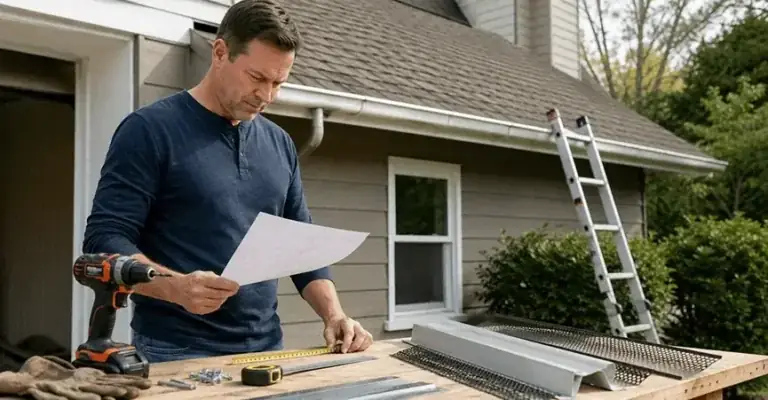
Attempting pocket window replacements on single-story homes can be a rewarding DIY weekend project if you have basic carpentry skills and proper flashing materials. If you are comfortable handling exterior caulking, learning how to install a gutter by yourself or managing simple home repairs builds your confidence. However, complex second-story full-frame replacements are best left to licensed trade crews.
Evaluating Materials, Costs, and Resale Impact
Selecting frame materials for longevity
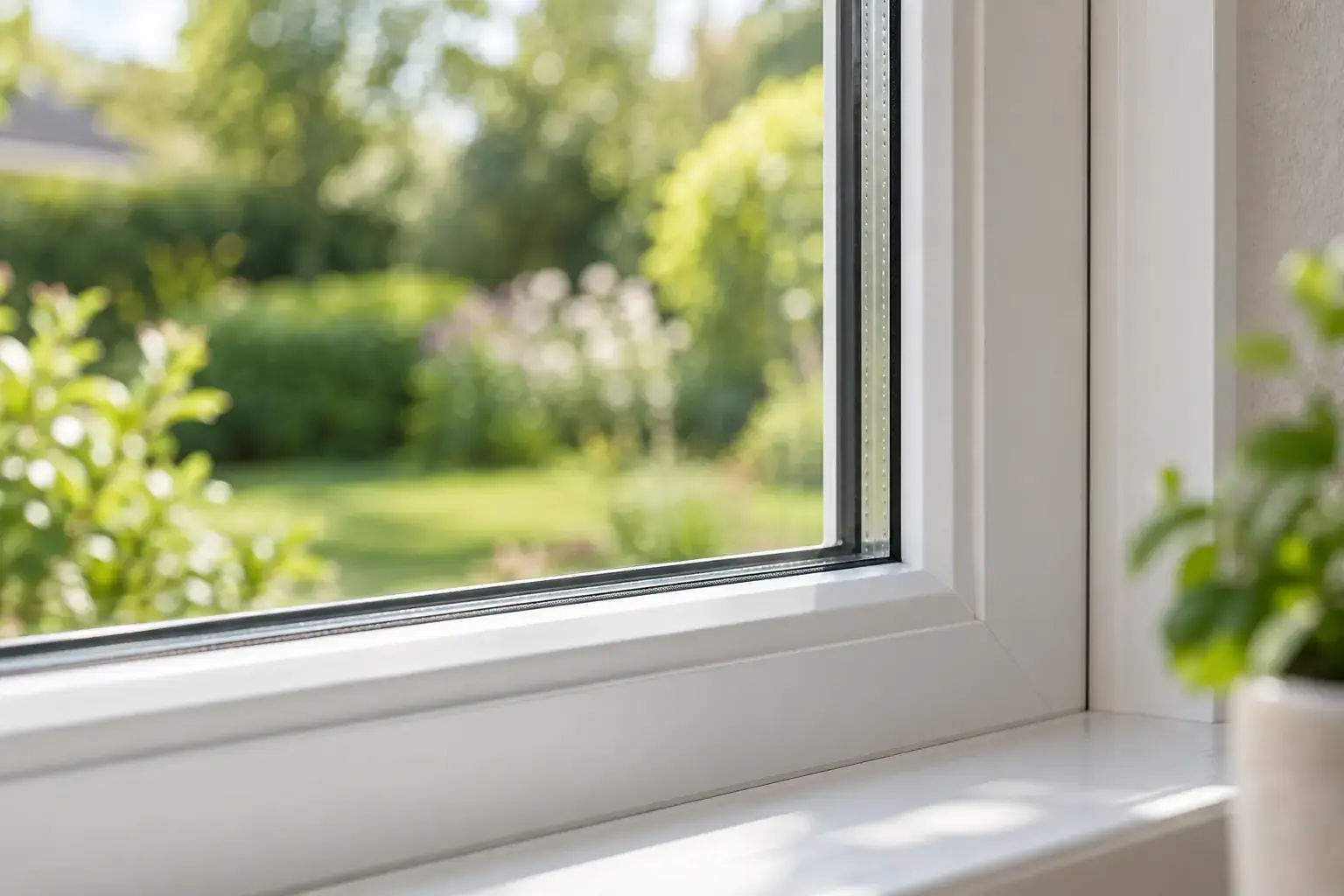
Replacement window units come in three primary frame materials, each balancing upfront cost against long-term maintenance requirements:
-
Vinyl frames: Offer the lowest price point, excellent thermal insulation, and zero painting or staining chores over a 30-year lifespan.
-
Fiberglass frames: Deliver exceptional structural rigidity, expand very little in extreme heat, and mimic painted wood textures cleanly.
-
Wood-clad frames: Provide traditional interior warmth paired with an exterior aluminum or fiberglass protective shield against weather decay.
Energy efficiency and tax incentives
Upgrading to modern double-pane low-E glass units reduces conductive heat transfer and blocks harmful ultraviolet rays that fade interior furniture. You can offset a portion of your project expenses by taking advantage of federal energy tax credits covering 30 percent of qualifying product costs up to $600. Real estate data consistently shows that clean, modern windows recover roughly 68 percent of their installation cost upon home resale.
Vetting contractor installation credentials
High-end glass units will draft heavily if installers skip low-expansion foam insulation, sloped sill pans, and exterior flashing tape. Checking local trade feedback and contractor credentials helps you identify reliable home improvement professionals who stand behind their work. Quality installation protects both your indoor comfort and your manufacturer warranty.
Coordinating exterior maintenance projects
Replacing windows often coincides with broader exterior updates like siding repairs, fresh paint, and drainage overhauls. Mastering how to install a gutter by yourself or scheduling multi-trade contractors in the correct sequence prevents scheduling bottlenecks. Comprehensive project planning keeps your entire home weather-tight and secure.
Frequently Asked Questions
What does replacement window mean compared to new construction windows?
A replacement window is designed to fit inside an existing window opening without removing exterior siding, whereas a new construction window features a nailing fin that fastens directly to bare wall studs during home building or major additions.
Can I install replacement windows myself?
Yes, pocket replacement windows can be installed as a DIY project if your existing frame is square and unrotted, though full-frame installations require advanced carpentry and waterproofing skills. Most homeowners hire professionals to ensure proper flashing and maintain manufacturer warranties.
How do I know if I need a pocket or full-frame replacement?
If your existing wooden jambs and sills are solid, square, and free of water rot, a pocket replacement saves money by reusing the current frame. If you notice soft wood, mold, or want to change the window opening size, a full-frame replacement is required.
How long does a window replacement project take?
Experienced installation crews typically replace eight to ten standard pocket windows in a single day, while full-frame replacements take longer due to necessary carpentry and exterior trim work. Weather conditions can also affect exterior caulking and sealing times.
Conclusion
Understanding what does replacement window mean empowers you to choose between pocket inserts and full-frame tear-outs based on your home’s actual structural condition. Whether you want to preserve historic interior trim or fix hidden water rot down to the studs, selecting the right installation method ensures decades of draft-free comfort. Measure your window openings, request three detailed itemized estimates from licensed local contractors, and schedule your home upgrade today.