Replacement Window Examples for Every Room and Budget
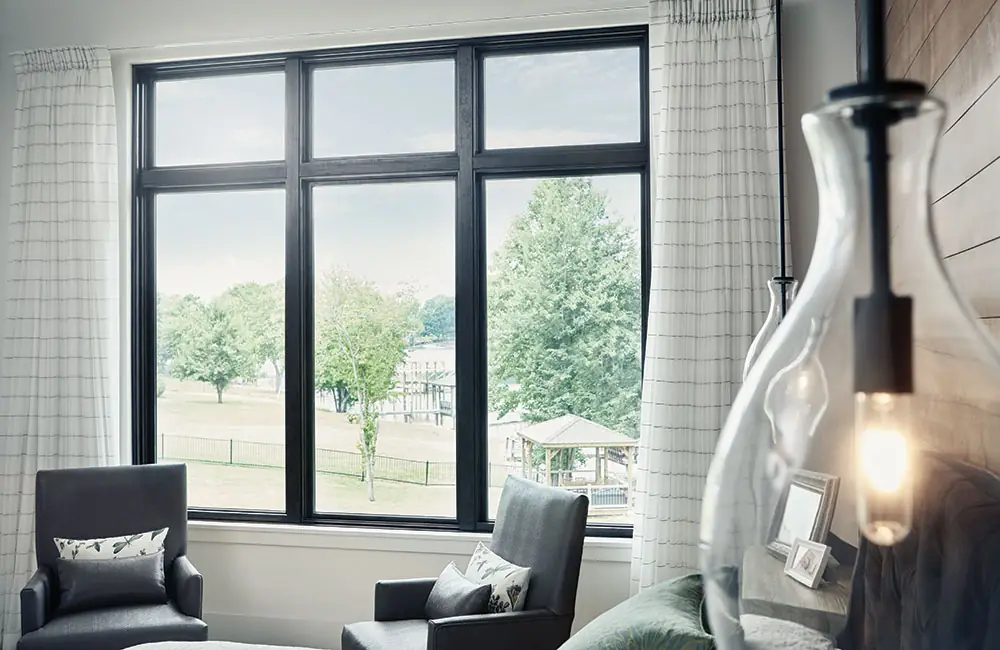
Looking at actual replacement window examples saved me from ordering the completely wrong glass style for my drafty living room three summers ago. Browsing glossy catalogs can leave you feeling dizzy when you try to picture how a casement or a double-hung unit will actually look on your own exterior siding. Once you study practical replacement window examples mapped out by room type and frame material, you can match your budget and architectural style with complete confidence.
Replacement Window Examples by Style
Double-hung and single-hung windows in action
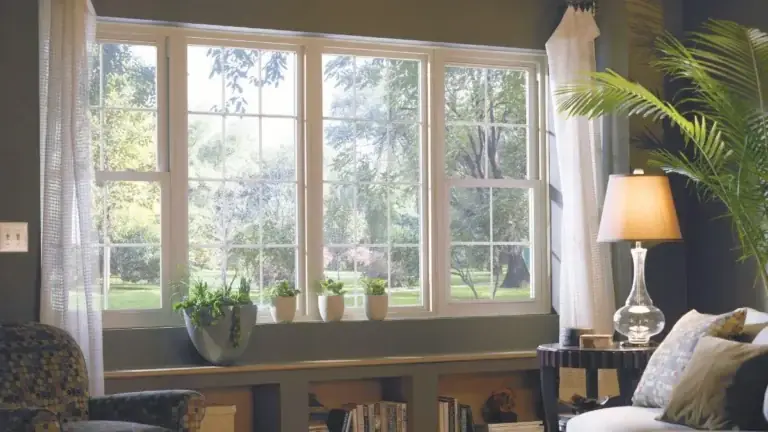
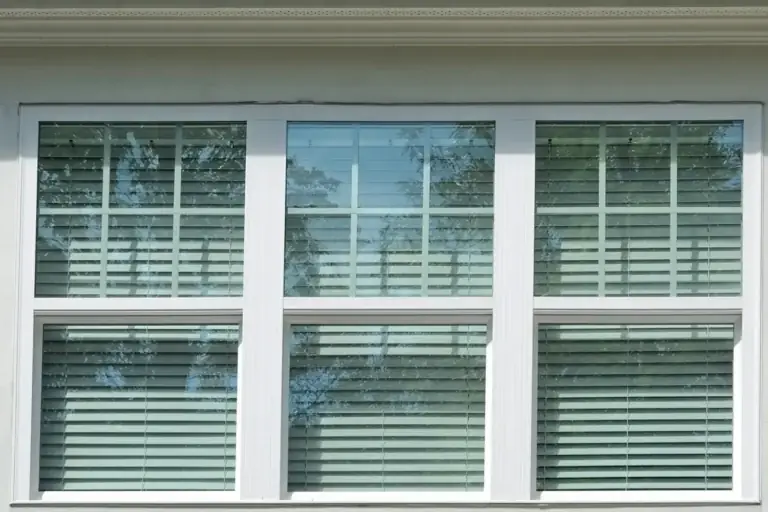
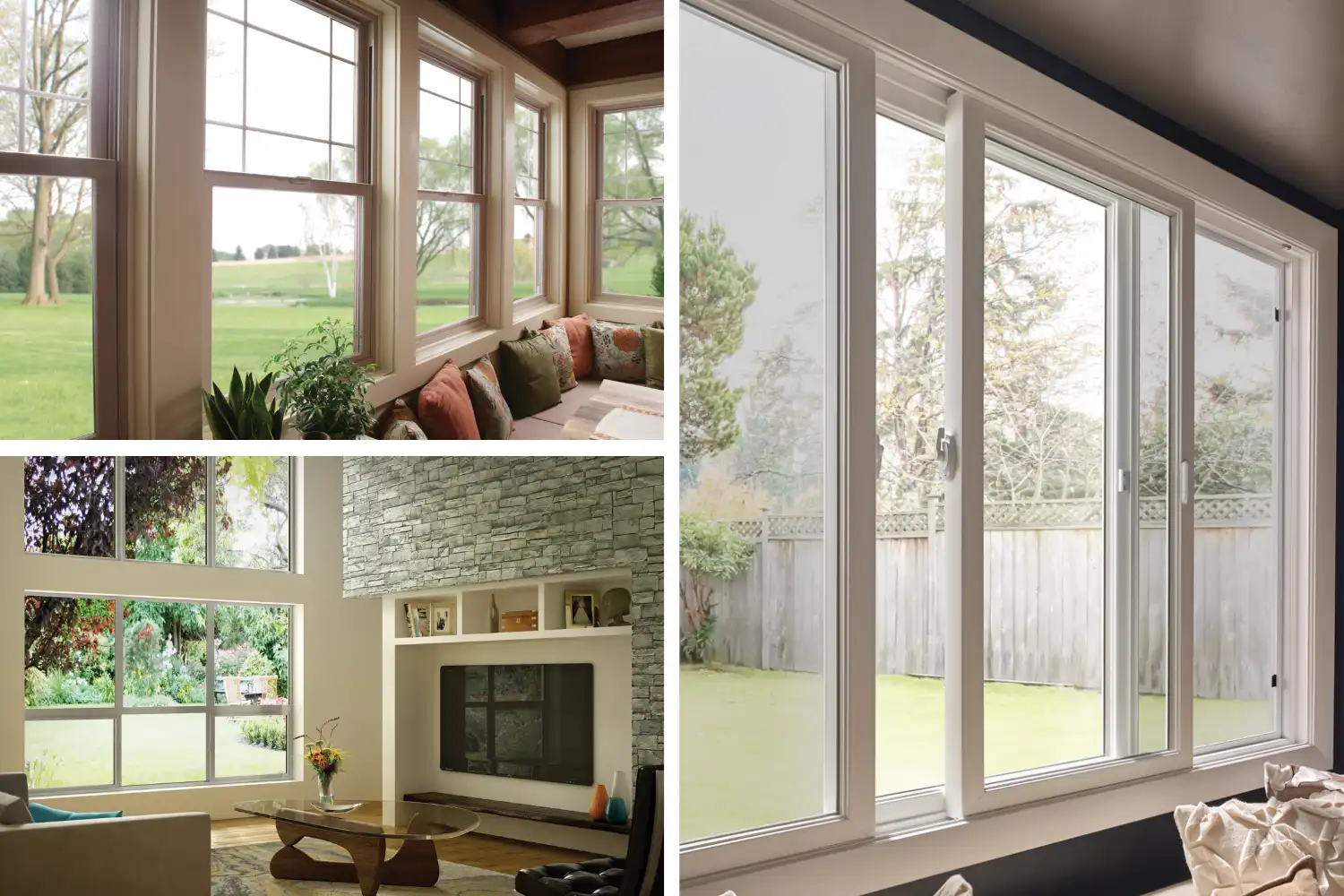
Double-hung units stand out as classic replacement window examples found on traditional colonial and craftsman homes across the country. Both the upper and lower sashes slide vertically and tilt inward into your room for safe, easy glass cleaning from the indoors. Single-hung models look identical from the curb, but only the bottom sash moves, making them slightly cheaper for tight budgets.
Casement, awning, and hopper windows in real homes
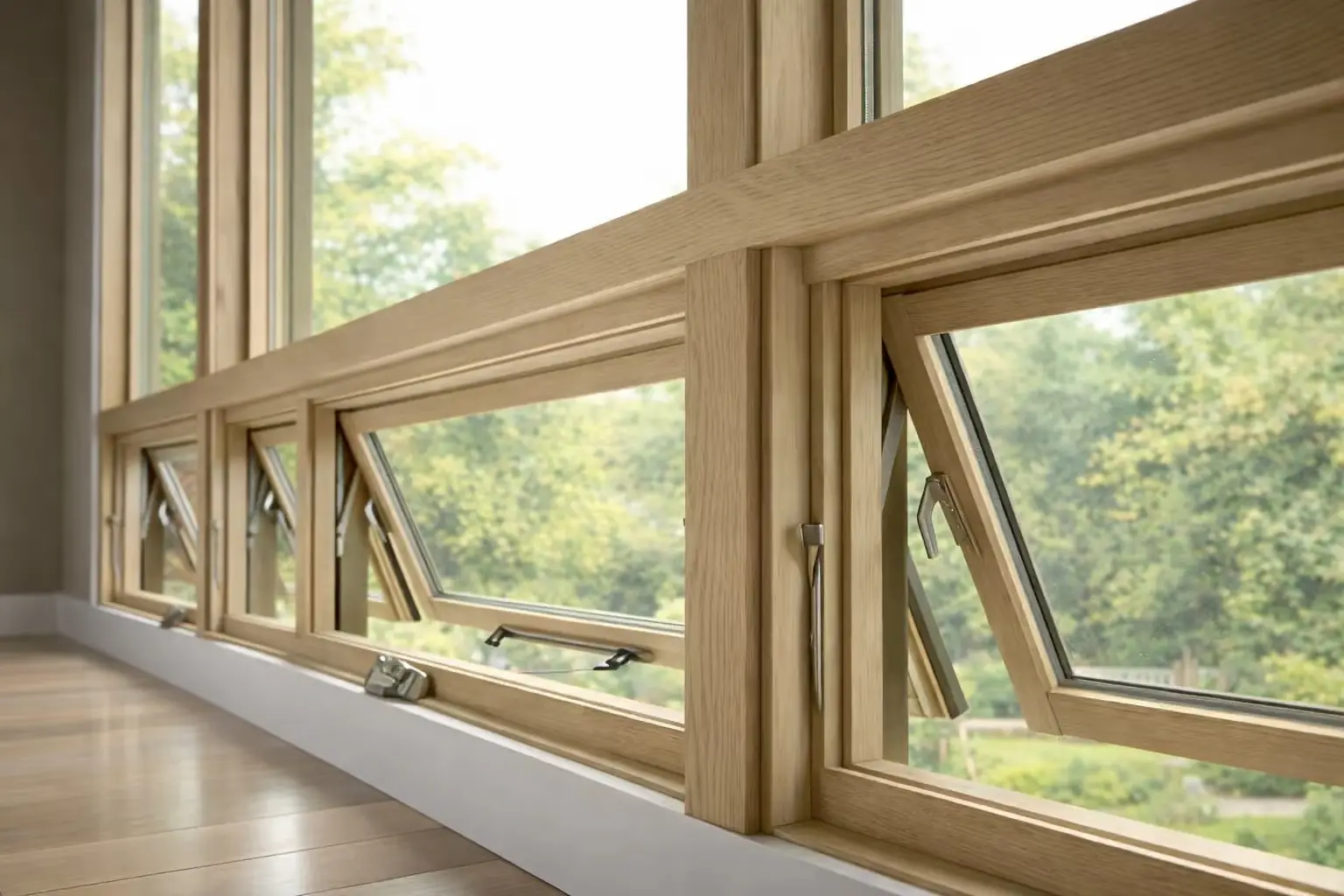
Casement windows crank outward to catch refreshing side breezes and seal exceptionally tight against weatherstripping when locked shut. Awning windows hinge at the top and swing outward, letting you ventilate a room even during a gentle rain shower without letting water inside. Hopper windows swing inward from the bottom, making them popular replacement window examples for low-profile basement walls.
Choosing operation styles for ventilation
Maximizing airflow depends heavily on matching the mechanical opening design to your home’s prevailing wind patterns and room layout. Casement cranks push 100 percent of the window opening area outward into the breeze, whereas double-hung styles restrict airflow to 50 percent because one sash always blocks half the frame. Knowing these mechanical traits helps you cool your rooms faster in summer.
Verifying emergency egress codes
Bedrooms require operable windows that meet strict local building code sizing rules so residents can escape safely during a fire emergency. Fixed picture windows or small basement hoppers frequently fail minimum egress dimensions, making wide double-hung or casement units mandatory. Reviewing local code requirements with your contractor prevents costly inspection delays.
Examples of Speciality and Statement Windows
Bay, bow, and garden windows that transform a room
Bay and bow windows project outward past your exterior wall to create a gorgeous sunlit reading nook or plant display area. A standard bay window features three panels angled at 30 or 45 degrees, while curved bow windows use four to six glass panes for a smoother architectural sweep. Garden windows function like miniature glass greenhouses that extend outward over kitchen sinks, giving you a bright shelf for growing fresh herbs.
Picture and transom combinations worth considering
Picture windows remain fixed and non-operable, offering crystal-clear outdoor views and maximum natural light for high-ceilinged living rooms. Transom windows are narrow accent glass panels placed directly above doors or standard windows to pull natural light deeper into dark hallways. Combining picture frames with operable flanking units gives you both panoramic views and necessary ventilation.
Maximizing natural daylight in dark spaces
Strategic placement of architectural statement windows transforms gloomy interior hallways and north-facing rooms by flooding them with diffuse daylight. According to research published by the U.S. Department of Energy, smart daylighting reduces daytime artificial lighting electricity use significantly. Balancing glass surface area with high-performance low-E coatings prevents unwanted solar heat gain.
Managing multi-trade exterior renovations
Installing complex bay projections or wide picture combinations often requires structural header reinforcement and careful exterior flashing. If you are comfortable working around exterior trim, learning how to put up gutters helps you manage minor property maintenance safely. However, structural carpentry and complex roofline tie-ins are best left to licensed trade crews.
Material Examples: How Frame Choice Changes the Look
Vinyl and fiberglass in modern builds
Vinyl frames represent the most popular replacement window examples for budget-conscious homeowners because they offer great insulation and zero painting chores. Fiberglass frames provide exceptional structural rigidity and expand very little in extreme heat, making them ideal for large picture window spans. Both materials resist moisture rot completely and wipe clean easily with mild soap and water.
Wood and composite in traditional homes
Wood-clad windows deliver traditional interior warmth and architectural authenticity that historic home preservation boards demand. Composite frames blend polymer resins with reclaimed wood fibers to create a rock-solid material that mimics painted wood without requiring tedious scraping or staining. Here is how standard replacement window frame options compare in price and upkeep:
-
Vinyl Frames ($450 to $900 installed): Budget-friendly, highly energy-efficient, and requires zero painting over a 30-year lifespan.
-
Fiberglass Frames ($750 to $1,400 installed): Extremely rigid, low expansion rates, and mimics painted wood textures cleanly.
-
Wood-Clad Frames ($1,100 to $2,500+ installed): Premium interior wood finish protected by an exterior aluminum or fiberglass cladding shield.
Protecting new frames from roof runoff
Once your new replacement windows are securely installed and sealed, protecting them from heavy overhead roof runoff prevents premature seal failure and moisture damage. Following a detailed gutter installation guide ensures rainwater is captured cleanly before running down your exterior walls. Proper exterior drainage safeguards your entire home envelope.
Managing DIY vs professional labor
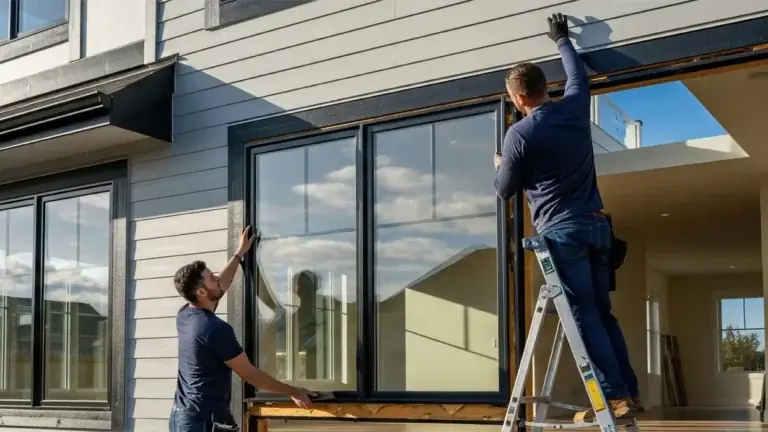
Attempting pocket window replacements as a DIY weekend project is manageable if your existing frames are square and completely dry. If you are comfortable handling exterior caulking, learning how to install a gutter by yourself or managing simple home repairs builds your confidence. Always prioritize safety when working on multi-story openings.
Matching the Right Window to Each Room
Bedrooms, bathrooms, and privacy considerations
Bedrooms require operable windows that satisfy emergency egress building codes while maintaining a quiet, comfortable sleeping environment. Bathrooms benefit from awning or hopper windows placed higher up on the wall to let steam escape while preserving complete privacy from neighbors. Choosing frosted or textured glass panes adds an extra layer of privacy for street-facing powder rooms.
Kitchens and living areas where light matters most
Kitchens demand easy-to-reach sliding or casement windows situated above sinks so you can ventilate cooking smoke and steam effortlessly. Living rooms and family gathering spaces shine when you feature large picture windows flanked by double-hung units to maximize sunlight and outdoor views. Positioning glass correctly makes smaller rooms feel open and expansive.
Vetting contractor installation credentials
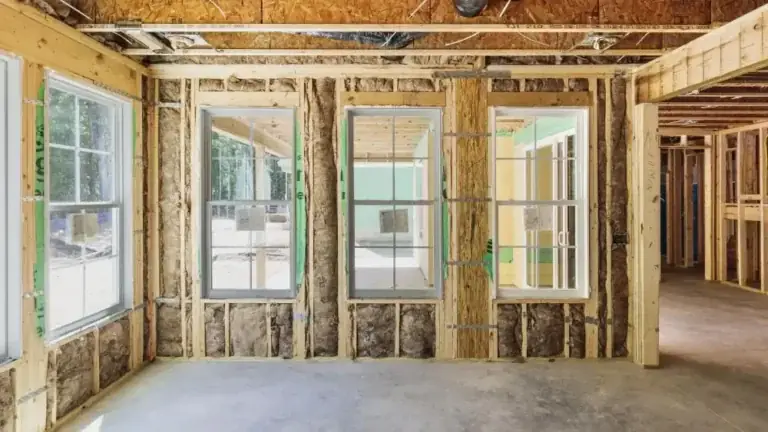
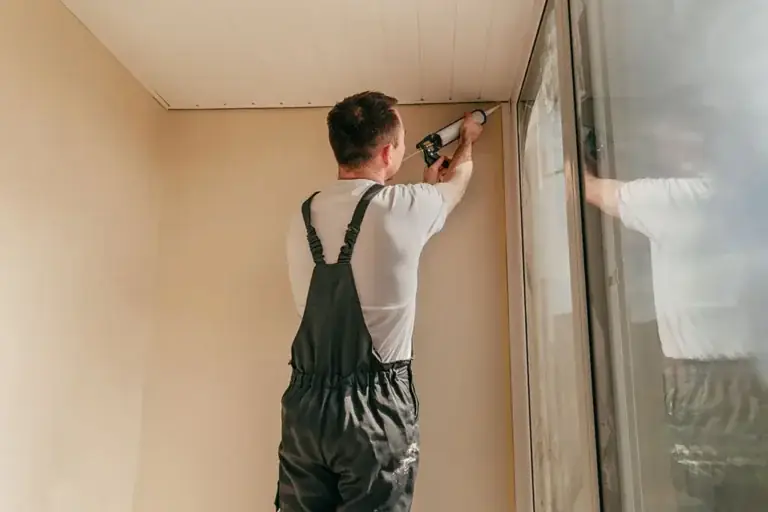
High-end glass units will draft heavily if installers skip low-expansion foam insulation, sloped sill pans, and exterior flashing tape. Checking local trade feedback and contractor credentials helps you identify reliable home improvement professionals who stand behind their work. Quality installation protects both your indoor comfort and your manufacturer warranty.
Coordinating exterior maintenance projects
Replacing windows often coincides with broader exterior updates like siding repairs, fresh paint, and drainage overhauls. Mastering how to install a gutter by yourself or scheduling multi-trade contractors in the correct sequence prevents scheduling bottlenecks. Comprehensive project planning keeps your entire home weather-tight and secure.
Frequently Asked Questions
What are the most common replacement window examples?
Double-hung windows and sliding windows are the most common replacement window examples because they fit standard openings, operate easily, and suit a wide range of architectural home styles.
What replacement window style is best for kitchen sinks?
Sliding windows or crank-out casement and awning windows work best above kitchen sinks because their opening mechanisms require minimal physical reach compared to lifting heavy double-hung sashes.
Do specialty windows like bay or bow windows cost more?
Yes, bay and bow windows cost significantly more than standard flat windows because they require complex structural support headers, custom exterior roofing caps, and specialized installation labor.
Can I mix different window styles on the same house?
Mixing complementary window styles is common and often encouraged, such as pairing large picture windows in the living room with double-hung windows in the bedrooms for uniform curb appeal.
Conclusion
Reviewing diverse replacement window examples helps you navigate various operational styles, frame materials, and room-by-room functional needs with absolute clarity. Whether you choose low-maintenance vinyl double-hung units or statement bay projections, modern glass upgrades enhance home comfort and property value. Measure your openings, request three detailed itemized estimates from licensed local contractors, and schedule your home improvement project today.