Window Replacement Meaning: A Simple, Clear Explanation
Understanding the true window replacement meaning became my main focus three years ago when a local contractor told me my kitchen project required a pocket insert rather than a full-frame overhaul. Homeowners often use terms like window replacement loosely to describe any glass upgrade, but the actual construction method changes labor hours and project costs completely. When you look closely at the window replacement meaning in professional trade terms, you realize that choosing the right installation style preserves your interior woodwork and prevents structural water damage.
Window Replacement Meaning: The Basic Definition
What gets swapped out and what stays in place
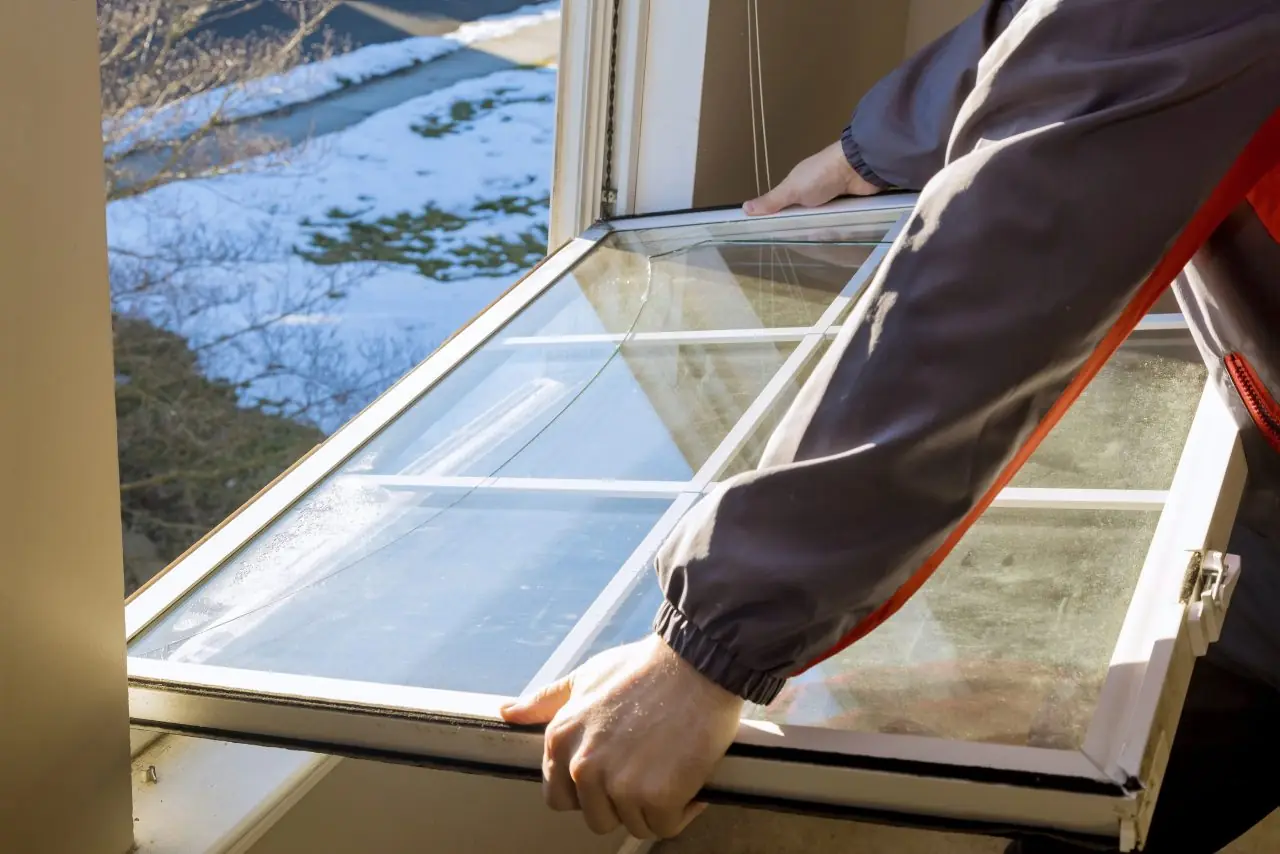
The standard window replacement meaning refers to taking out old sashes, glass panes, and hardware while leaving the existing exterior frame and trim intact. This pocket installation method allows contractors to slide a self-contained window unit directly into your current wall opening in less than two hours per window. According to data published by the U.S. Department of Energy, upgrading older drafty glazing with certified insulated glass significantly cuts annual heating and cooling energy loss.
Full-frame vs. insert replacement windows
Distinguishing between insert and full-frame methods clarifies the window replacement meaning when dealing with older homes. Pocket inserts work best when your existing wooden frame is completely square and free of rot, whereas full-frame installation strips the opening down to bare studs. Choosing full-frame replacement becomes necessary when moisture has rotted the sill plate or when you want to change the rough opening dimensions.
Pocket insert installation mechanics
A pocket insert relies on the structural integrity of your existing exterior frame to hold the new window securely in place. Installers remove the old inner tracks and counterbalances, apply exterior-grade caulk, and screw the new vinyl or composite unit straight into the old jambs. This efficient approach keeps your interior drywall and casing completely undisturbed.
Full-frame retrofit requirements
Full-frame retrofits require pulling out every single component down to the raw framing lumber so carpenters can install a brand-new sloped sill pan and flashing tape. This thorough approach costs 30 to 50 percent more than a standard insert because it involves extensive exterior trim work. Fixing hidden water damage during a full-frame swap protects your wall studs from long-term decay.
How Replacement Windows Differ from New Construction Windows
Key differences in frame design and installation
Understanding the window replacement meaning also requires separating retrofit units from new construction windows designed for house additions. New construction windows feature an integrated nailing flange or fin on the outer perimeter that fastens directly to bare exterior wall studs before siding goes up. Trying to use a new construction fin window for a standard retrofit project forces you to tear off exterior siding, which drives up labor costs.
Why the distinction matters for your project
Ordering the wrong window type brings an active home renovation project to a complete halt while you wait weeks for custom factory remakes. Professional builders measure rough openings precisely after removing interior stops to ensure retrofit units fit standard tolerances. Following a detailed gutter installation guide also helps protect your newly flashed window headers from heavy roof runoff.
Measuring rough openings accurately
Contractors measure height and width in three different spots across the frame to catch any bowing or settling before ordering replacement glass. Even a quarter-inch measurement error prevents pocket inserts from sealing correctly against outside drafts. Precision during the initial field visit ensures a weather-tight fit.
Managing multi-trade exterior projects
Replacing windows often coincides with broader exterior updates like siding repairs, fresh paint, and drainage overhauls. If you are comfortable working around exterior trim, learning how to put up gutters builds your confidence for simple property maintenance. However, complex multi-story full-frame installations are best left to licensed trade crews.
Signs Your Home Actually Needs Replacement Windows
Drafts, fogging, and rising energy bills
Recognizing the window replacement meaning becomes urgent when your heating bills spike and cold winter air whistles right through your window sashes. Double-pane glass units lose their thermal efficiency once the internal seal fails, allowing argon gas to escape and moisture to condense between the panes. If your windows stay permanently fogged on the inside, the insulating seal is dead.
When repairs make more sense than replacement
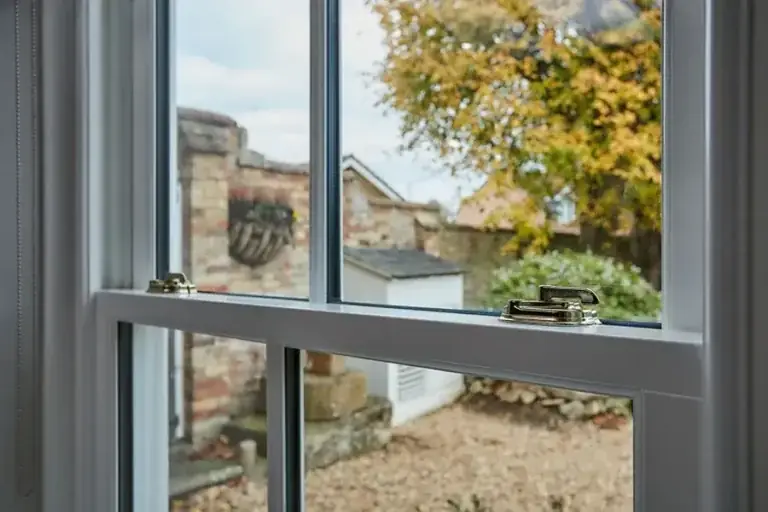
Not every drafty window requires a total replacement, as minor issues like worn weatherstripping, broken latch hardware, or cracked exterior caulk can be fixed cheaply. Replacing damaged sash cords on older double-hung windows restores smooth operation without the expense of a full glass retrofit. Evaluating the physical condition of your wood frames guides your repair budget.
Testing for hidden wooden rot
Pressing a screwdriver blade into your window sill and bottom sash reveals whether moisture has turned the lumber soft and spongy. Wood that gives way under pressure means surface repairs are no longer sufficient to stop water infiltration. Structural rot mandates prompt window replacement to protect interior wall framing.
Handling DIY vs professional labor
Tackling pocket window replacements as a DIY weekend project is manageable if your existing frames are square and completely dry. If you are comfortable handling exterior caulking, learning how to install a gutter by yourself or managing simple home repairs builds your confidence. Always prioritize ladder safety when working on second-story openings.
What Happens During a Window Replacement Project
A walkthrough of the typical installation day
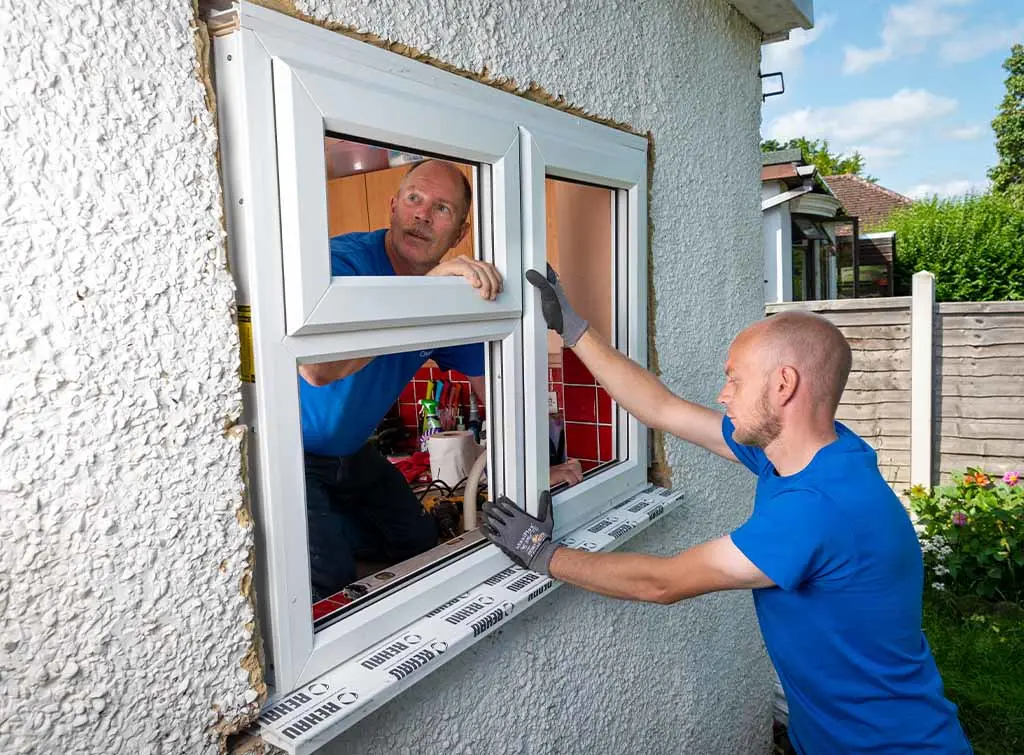
A standard installation day begins with crews laying down drop cloths inside your rooms to protect furniture and flooring from falling drywall dust. Installers remove old sashes, clean out accumulated dust and debris from the sill, apply high-grade polyurethane sealant, and secure the new replacement unit. Exterior aluminum capping and interior quarter-round trim finish off the clean aesthetic.
How long the whole process usually takes
Experienced professional crews typically replace eight to ten standard pocket windows in a single working day from start to finish. Full-frame replacements take longer because carpenters must remove exterior brickmold, repair rotted wall studs, and install custom flashing tape. Weather conditions can also affect outdoor caulking cure times.
Preparing your home for installation crews
Clearing window sills, removing interior blinds or curtains, and trimming outdoor bushes gives workers unobstructed access to the work zones. Moving furniture away from exterior walls prevents accidental scuffs and speeds up the replacement process. Good preparation ensures your installation day runs smoothly.
Vetting contractor installation credentials
High-end glass units will draft heavily if installers skip low-expansion foam insulation, sloped sill pans, and exterior flashing tape. Checking local trade feedback and contractor credentials helps you identify reliable home improvement professionals who stand behind their work. Quality installation protects both your indoor comfort and your manufacturer warranty.
Frequently Asked Questions
What does window replacement meaning actually cover?
The window replacement meaning generally refers to removing old glass sashes and hardware while leaving the existing frame and exterior trim intact, though it can also describe full-frame tear-outs.
Are replacement windows custom-built for each home?
Yes, nearly all residential replacement windows are custom-manufactured to the exact sixteenth of an inch based on professional field measurements taken after old sashes are removed.
Can I install replacement windows myself?
Pocket replacement windows can be installed as a DIY project if your existing frame is square and unrotted, though full-frame installations require advanced carpentry and waterproofing skills.
How long do replacement windows typically last?
High-quality vinyl, fiberglass, and wood-clad replacement windows last between 25 and 40 years when properly installed, sealed, and maintained against weather exposure.
Conclusion
Grasping the window replacement meaning helps homeowners evaluate contractor estimates accurately, select the right installation style, and budget for necessary home improvements. Whether you choose efficient pocket inserts to preserve historic trim or complete full-frame tear-outs to fix hidden rot, modern windows improve home comfort and energy efficiency. Measure your window openings, request three detailed itemized estimates from licensed local contractors, and schedule your home upgrade today.