What Is A Replacement Window Called and How Industry Terms Work
Wondering what is a replacement window called became my primary puzzle three summers ago when local contractors kept tossing around terms like pocket inserts, sash packs, and full-frame retrofit units during home improvement estimates. Homeowners often assume every glass upgrade shares the exact same industry name, yet contractor jargon changes completely depending on how the unit attaches to your wall framing. When you look into what is a replacement window called in professional builder circles, you quickly discover that knowing the right vocabulary prevents costly communication errors and mispriced bids.
What Is A Replacement Window Called — Overview
Key facts to know first
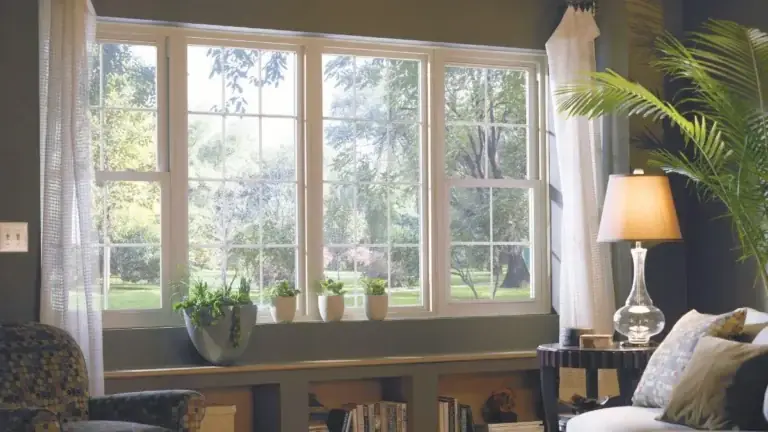
What is a replacement window called usually depends on whether the unit is engineered as a pocket insert, a full-frame retrofit, or a new construction fin window. A standard pocket replacement is frequently called an insert window because it slides directly into an existing frame without disturbing interior trim. According to data published by the U.S. Department of Energy, upgrading older drafty glazing with modern certified units cuts home heating and cooling energy loss significantly.
What most people get wrong
Property owners frequently believe that all replacement windows come with an integrated nailing fin attached to the outer perimeter. In reality, replacement units designed for retrofitting lack nailing fins entirely because they mount securely from the inside or via side clips into the existing jamb. Another common confusion is mixing up custom-built architectural windows with standard off-the-shelf stock sizes found in big-box warehouses.
Pocket inserts versus retrofit terminology
Contractors often refer to pocket inserts as insert windows or sash-only replacements because the old exterior frame remains untouched. Retrofit is a broader industry term covering any window installed into an existing opening without rebuilding the outer wall structure. Knowing these specific trade names helps you understand exactly what labor tasks appear on your contractor quote.
New construction fin window distinction
Windows built for new house additions or complete siding remodels are called new construction windows or fin windows. These units feature a flat metal or plastic flange nailed directly to the bare exterior wall studs before siding goes up. Trying to use a new construction window for a standard retrofit project requires tearing off exterior siding, which drives labor costs through the roof.
Common Industry Terms, Styles, and Configurations
Breaking down window trade names
When you review contractor estimates or browse manufacturing catalogs, navigating standard product names makes comparing bids much easier. Here is what major replacement window styles are commonly called in the field:
-
Pocket Insert Windows: Often called insert or sash-replacement units, designed to slide straight into sound existing frames.
-
Full-Frame Retrofit Windows: Frequently called block frame units, replacing every component down to the bare opening without exterior nailing fins.
-
Double-Hung Sash Packs: Known as spring-line kits, containing only the upper and lower operating sashes and side tracks for historic home renovations.
Accounting for hidden structural repairs
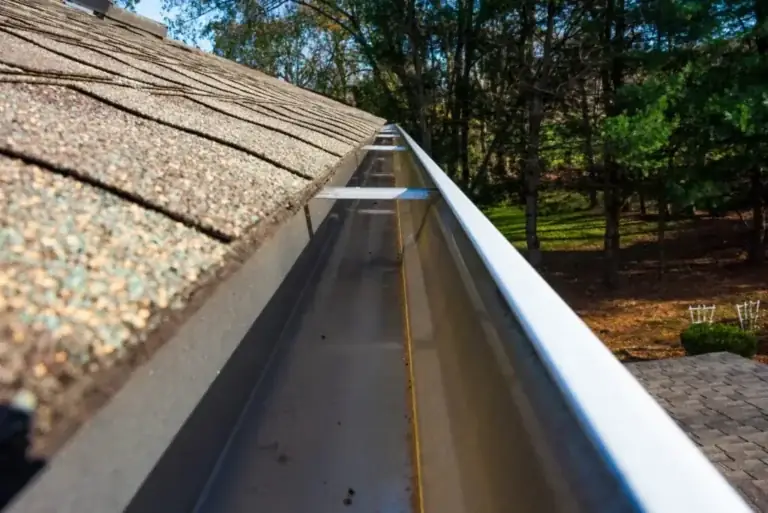
Uncovering rotted wood sills or water-damaged studs after pulling out old sashes is commonly called finding hidden rot or rough opening damage in contractor terminology. Carpenters must replace spongy framing lumber before flashing and sealing the new unit to prevent indoor leaks. Following a detailed gutter installation guide keeps roof rainwater from splashing against your window headers and causing future wood decay.
Protecting new windows from roof runoff
Once your new replacement windows are securely installed and sealed, shielding them from heavy overhead roof runoff prevents premature seal failure and moisture damage. If you are comfortable working around exterior trim, learning how to put up gutters ensures rainwater is captured cleanly before running down your exterior walls. Proper exterior drainage safeguards your entire home envelope.
Managing DIY vs professional labor
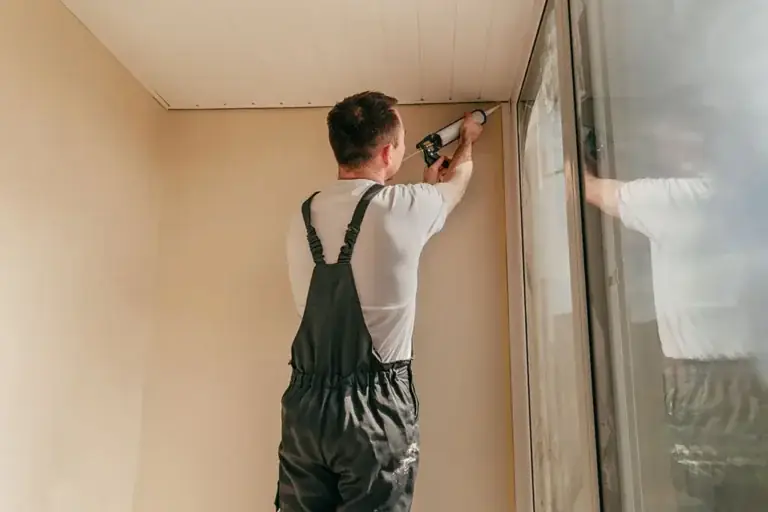
Attempting pocket window replacements can be a rewarding DIY weekend project if your existing wooden frames are square and completely dry. If you are comfortable handling exterior caulking, learning how to install a gutter by yourself or managing simple home repairs builds your confidence. However, complex second-story full-frame replacements are best left to licensed trade crews.
Evaluating Materials, Costs, and Resale Impact
Selecting frame materials for longevity
Replacement window units come in three primary frame materials, each balancing upfront cost against long-term maintenance requirements:
-
Vinyl frames: Offer the lowest price point, excellent thermal insulation, and zero painting or staining chores over a 30-year lifespan.
-
Fiberglass frames: Deliver exceptional structural rigidity, expand very little in extreme heat, and mimic painted wood textures cleanly.
-
Wood-clad frames: Provide traditional interior warmth paired with an exterior aluminum or fiberglass protective shield against weather decay.
Energy efficiency and tax incentives
Upgrading to modern double-pane low-E glass units reduces conductive heat transfer and blocks harmful ultraviolet rays that fade interior furniture. You can offset a portion of your project expenses by taking advantage of federal energy tax credits covering 30 percent of qualifying product costs up to $600. Real estate data consistently shows that clean, modern windows recover roughly 68 percent of their installation cost upon home resale.
Vetting contractor installation credentials
High-end glass units will draft heavily if installers skip low-expansion foam insulation, sloped sill pans, and exterior flashing tape. Checking local trade feedback and contractor credentials helps you identify reliable home improvement professionals who stand behind their work. Quality installation protects both your indoor comfort and your manufacturer warranty.
Coordinating exterior maintenance projects
Replacing windows often coincides with broader exterior updates like siding repairs, fresh paint, and drainage overhauls. Mastering how to install a gutter by yourself or scheduling multi-trade contractors in the correct sequence prevents scheduling bottlenecks. Comprehensive project planning keeps your entire home weather-tight and secure.
Frequently Asked Questions
What is a replacement window called when it fits inside an existing frame?
A replacement window that fits directly inside an existing window frame without removing interior trim or exterior siding is called a pocket insert window or insert window.
What is the difference between a replacement window and a new construction window?
A replacement window lacks a nailing fin and is designed for retrofitting existing openings, whereas a new construction window features an integrated nailing flange fastened directly to bare wall studs.
What are full-frame replacement windows called in the industry?
Full-frame replacement windows are often called block frame units or complete tear-out windows because they remove every component down to the rough opening studs.
Can replacement windows be ordered in custom sizes?
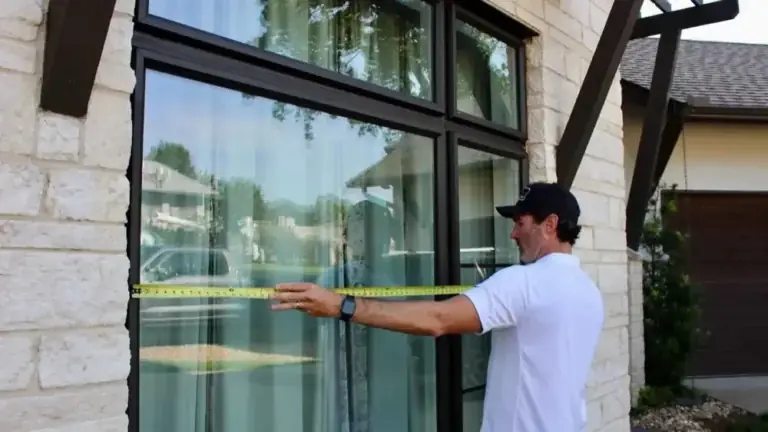
Yes, nearly all residential replacement windows are custom-manufactured to the exact sixteenth of an inch based on professional field measurements taken after old sashes are removed.
Conclusion
Understanding what is a replacement window called empowers you to speak fluently with contractors, evaluate precise project quotes, and choose between pocket inserts and full-frame units correctly. Whether you are ordering custom insert windows or planning a complete exterior renovation, knowing correct trade vocabulary ensures your project runs smoothly. Measure your openings, request three detailed itemized estimates from licensed local contractors, and schedule your home upgrade today.