Fence Company Reviews: How to Pick a Reliable Builder
Reading fence company reviews saved me from hiring a crew that wanted to set six-foot cedar posts in 12 inches of dry-poured concrete mix. Last spring, I collected four quotes for a 180-linear-foot backyard replacement, and the glossy brochures looked identical on the surface. Digging into real homeowner feedback showed which local outfits actually dig below the frost line and which ones disappear the second a gate latch starts dragging.
When you start planning a backyard enclosure, the sheer volume of choices can feel overwhelming. Contractors promise sturdy boundaries, weather-resistant timber, and lifetime warranties, but the marketing rarely matches reality. If you are comparing estimates right now, you are likely looking at numbers ranging from $22 to $65 per linear foot depending on the materials you choose. A bad installation costs far more than your initial invoice because poor post depth and loose footings ruin a straight fence line within two winters.
Understanding how to read between the lines of customer testimonials is your best defense against shoddy workmanship. Homeowners often leave detailed stories about communication breakdowns, unexpected fees, and structural failures that sales reps never mention. This guide walks you through the exact evaluation framework I use to vet local builders, check material grades, and protect your hard-earned investment from costly mistakes.
Fence Company Reviews — Overview
A five-star rating means almost nothing if every comment was posted on the exact same Tuesday afternoon. When you evaluate contractors, you need to look past the overall star score and examine how crews handle dirt, permits, and callbacks. Real experience shows that the best builders have steady tracks records spanning multiple years rather than a sudden burst of praise.
Key facts to know first
Average installation timelines and costs
Most residential perimeter installs take two to three days once materials hit your driveway, though permit approvals can add three to six weeks in strict municipalities. According to data compiled by HomeAdvisor and Angi, the typical U.S. homeowner spends between $1,800 and $4,500 on a standard yard enclosure, with labor making up roughly 50% of that total bill. Knowing these benchmarks helps you spot outliers who either underbid to win work or overcharge for basic materials.
Why workmanship matters more than raw lumber
Even top-tier western red cedar or heavy-gauge vinyl will warp and sag if the crew skips proper post depth or uses cheap electro-galvanized staples instead of ring-shank stainless nails. When you read through fence contractor reviews, pay close attention to comments written one or two years after installation rather than the day the truck pulled away. Time reveals whether the posts were anchored deeply enough to withstand seasonal ground movement.
Subcontractors versus in-house crews
Many large regional companies act as sales brokers and hand your job off to the lowest-bidding subcontractor on the morning of the build. You want to verify whether the company employs full-time installers on W-2 payroll, because accountability drops fast when three different crews share one truck logo and no one takes ownership of mistakes.
-
Check if the reviewer mentions exact post depths (30 to 36 inches in northern climates) and wet-mixed concrete footings rather than dry dirt packing.
-
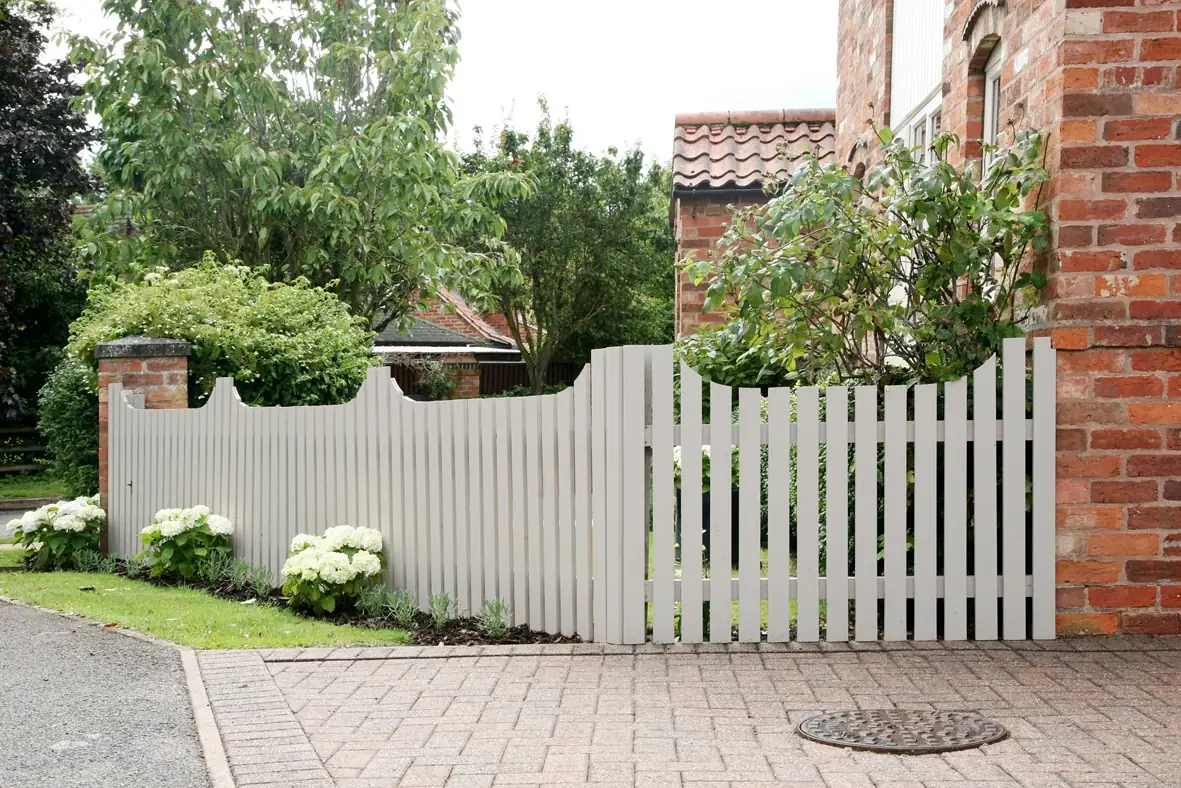
Look for photos showing how the crew handled sloped terrain, either by racking the panels smoothly or stair-stepping them evenly.
-
Verify that the builder calls 811 for utility locates rather than telling you to mark your own gas and fiber lines.
-
Confirm whether haul-away of old rotted posts and concrete plugs is written into the base estimate or billed as a surprise extra fee.
What most people get wrong
Trusting overall star averages over negative replies
Homeowners often filter for four stars and up, missing the goldmine hidden inside two-star and three-star complaints. How an owner responds to a crooked gate or a cracked sprinkler line tells you everything about their warranty service. If the owner gets defensive or blames the homeowner’s soil in public replies, expect the exact same attitude if your latch fails in July.
Confusing material defects with poor installation
A homeowner might leave a nasty comment blaming a builder because their vinyl panels yellowed or cracked in sub-zero weather, when the real culprit was thin, builder-grade PVC. Comparing the best fence brands beforehand helps you spot whether a contractor uses thick 0.150-inch wall profiles or cheap big-box panels that buckle under minor wind loads.
Ignoring licensing and insurance verification
Online directories rarely check if a contractor’s general liability policy or state license actually expired six months ago. You should always cross-check a builder’s standing through the American Fence Association or your state contractor licensing board before handing over a 30% deposit. Uninsured crews leave you legally liable if a worker gets injured on your property.
Frequently Asked Questions
Where can I find the most reliable fence company reviews?
Google Business Profiles, Nextdoor, and local neighborhood Facebook groups give you the most unfiltered feedback because neighbors post photos of actual finished yards. Third-party lead sites often allow contractors to dispute or bury negative feedback, so cross-reference at least two platforms before booking an estimate.
How many quotes should I get after checking reviews?
Gather at least three written, itemized estimates from builders who hold a 4.5-star average or higher across at least 40 local reviews. Comparing three quotes lets you spot outliers who either lowball the concrete work or inflate material markups by 40%.
What red flags in reviews mean I should walk away?
Walk away immediately if multiple customers mention demands for 50% or more upfront cash, missed start dates without a phone call, or crews leaving concrete washout piles in the grass. Recurring complaints about property line disputes also signal a builder who skips proper survey checks.
Do fence contractors usually warranty their installation labor?
Reputable builders offer a one-year to five-year workmanship warranty covering leaning posts, sagging gates, and frost heave, separate from the manufacturer’s material warranty. Always get the labor coverage terms printed directly on your signed contract rather than relying on verbal promises.
Reviewed by Nicole Holloway, Content Editor — Senior Home Exterior Specialist with 12 years of residential remodeling and contractor vetting experience.
Take ten minutes tonight to pull up three local builders, read their lowest-rated fence company reviews first, and check how they handle callbacks. Once you narrow your shortlist down to two solid crews, compare the fence brands they quote side by side and book your on-site measurements before peak spring schedules fill up. A careful selection process today ensures your perimeter stays strong, straight, and beautiful for decades.