Driveway Paving Thickness: Exact Specs for Asphalt, Concrete, and Pavers
Getting the right driveway paving thickness is the single detail that kept my own blacktop from sinking when a 26,000-pound moving truck backed up to my garage last fall. Most homeowners spend hours debating surface colors and border patterns while completely ignoring how many inches of crushed stone and surface mix go underground. If you’re planning a new installation or resurfacing job, locking in proper driveway paving thickness specs before signing a contract prevents costly cracking and tire ruts down the road.
Driveway Paving Thickness — Overview
Key facts to know first
Proper driveway paving thickness involves two separate measurements: the compacted gravel sub-base underneath and the finished surface layer on top. Standard passenger cars need at least two to three inches of compacted asphalt or four inches of poured concrete resting over a solid crushed stone foundation. If your contractor skimps by even half an inch on either layer, heavy delivery trucks or trash collection vehicles will crack the surface within two seasons.
What most people get wrong
Homeowners often assume that pouring an extra inch of concrete or asphalt on top will compensate for soft, uncompacted soil underneath. In reality, surface layers only distribute weight down into the gravel sub-base, meaning a thick slab over mushy clay will still snap like a cracker under pressure. You have to build structural strength from the bottom up rather than relying purely on surface depth.
Compacted vs loose measurement rules
Unscrupulous contractors frequently quote “three inches of asphalt” in loose, unrolled depth, which shrinks down to barely two inches once a heavy vibratory roller passes over it. Always make sure your written estimate specifies compacted thickness after rolling so you actually get the material volume you paid for. Asking this single question weeds out shady bidders right away.
Vetting local exterior contractors
Finding an installer who follows strict depth specifications matters far more than picking decorative borders or premium sealers. You can check local trade feedback and fence contractor reviews to see how dependable exterior crews manage job sites, respect property lines, and honor their workmanship guarantees. Taking time to verify references protects your budget from costly tear-outs.
Standard Thickness Specs by Driveway Material
Recommended inches for asphalt, concrete, and pavers
Different paving materials distribute vehicle loads in unique ways, so their minimum depth requirements vary significantly. Here are the standard residential specs for passenger cars and light pickup trucks:
-
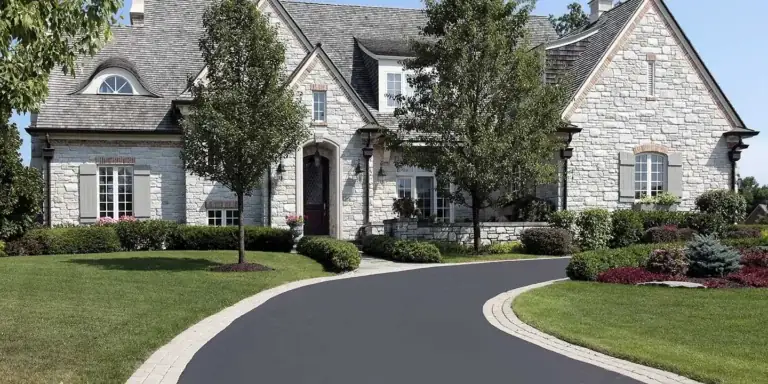
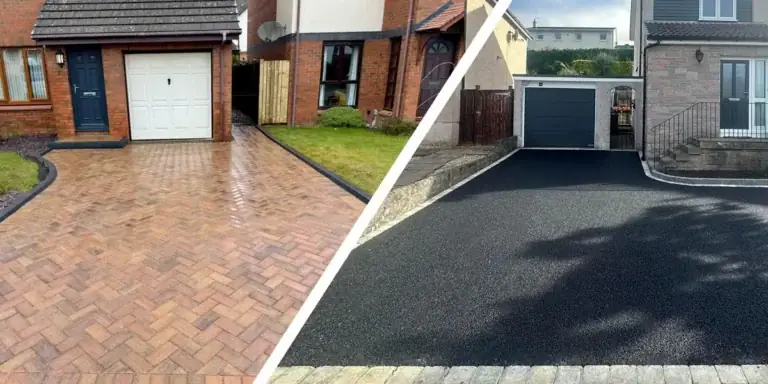
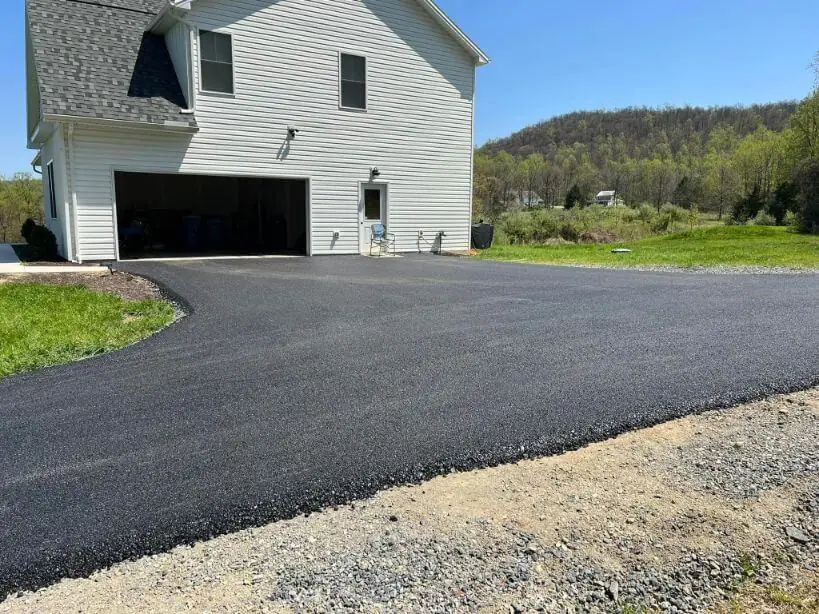
Hot-mix asphalt: Needs 2 to 3 inches of compacted asphalt (installed in two lifts: a coarse binder course and a smooth surface course) over 6 to 8 inches of compacted crushed aggregate.
-
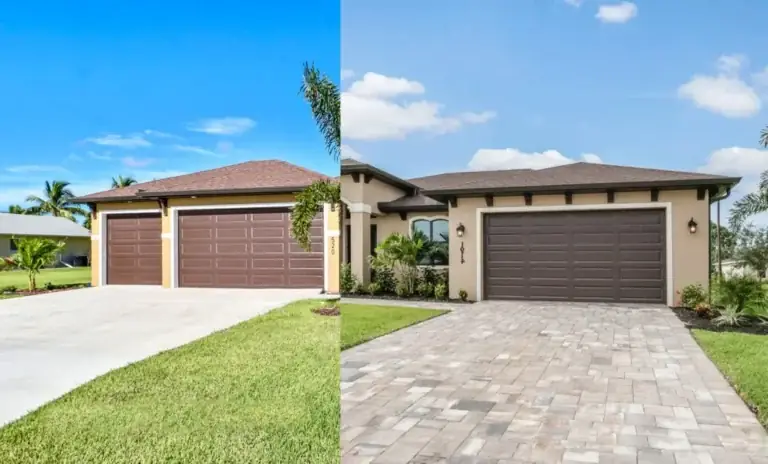
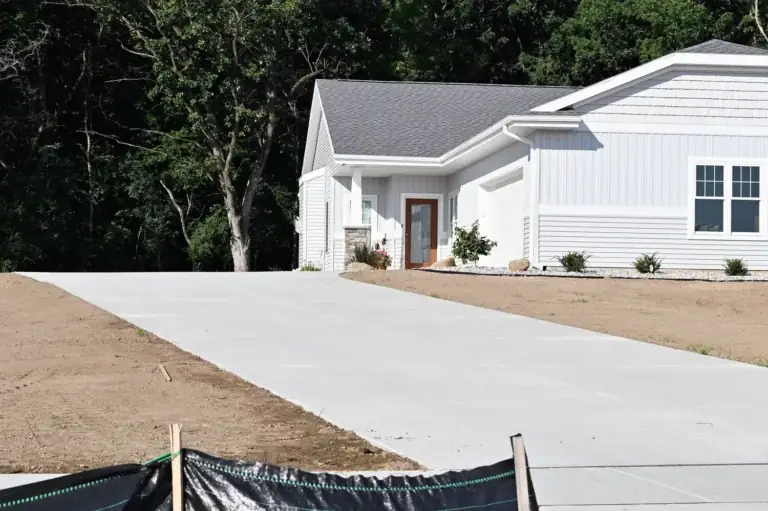
Poured concrete: Requires a minimum 4-inch slab thickness with wire mesh or fiber reinforcement over 4 inches of compacted gravel, bumping up to 5 or 6 inches if you park heavy RVs or boat trailers.
-
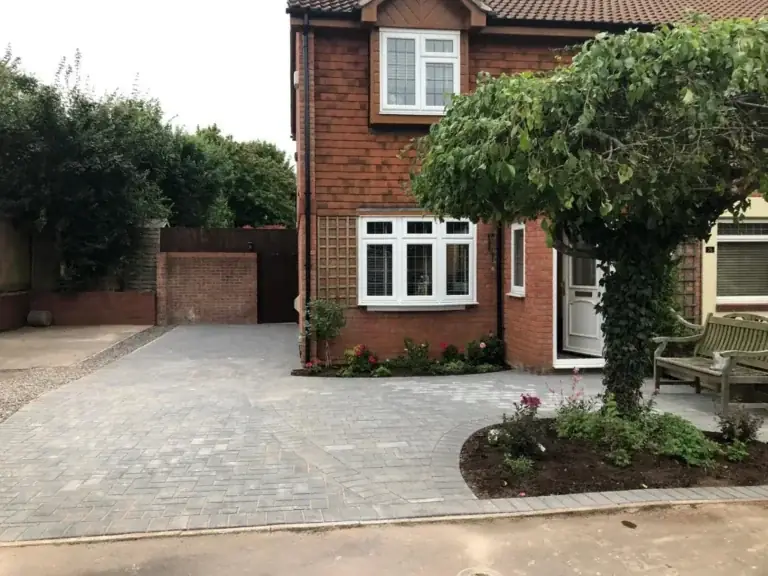
Interlocking pavers: Uses 2.375-inch (60mm) concrete paving stones laid over 1 inch of coarse bedding sand and 6 to 8 inches of compacted road-base gravel.
Upgrading depth for heavy vehicles
If you routinely park heavy three-quarter-ton diesel trucks, dump trailers, or commercial vans at home, standard passenger-car specs won’t hold up. Bumping asphalt up to 4 inches of compacted mix or pouring a 6-inch concrete slab with steel rebar adds roughly 15 to 25 percent to your material bill while doubling load capacity. Upgrading depth during initial excavation is cheap insurance compared to replacing crushed pavement later.
Soil type and climate adjustments
According to residential construction guidelines published by the National Asphalt Pavement Association, regions with expansive clay soils or deep winter frost lines require thicker aggregate sub-bases to prevent frost heave. Northern driveways often demand 8 to 10 inches of crushed stone underneath the pavement so freezing groundwater has room to drain without lifting the surface. Sandy, well-drained southern soils can safely use standard 4-to-6-inch base depths.
Coordinating exterior hardscaping
Raising your driveway grade by adding thicker stone and pavement layers affects how the surface meets adjacent walkways, garage thresholds, and yard fencing. Browsing best fence brands and hardscape pairing guides helps you plan clean transitions between concrete curbing and perimeter fencing. Thoughtful height alignment keeps your entire front yard looking custom-built.
Sub-Base Preparation and Edge Support
Why base compaction dictates lifespan
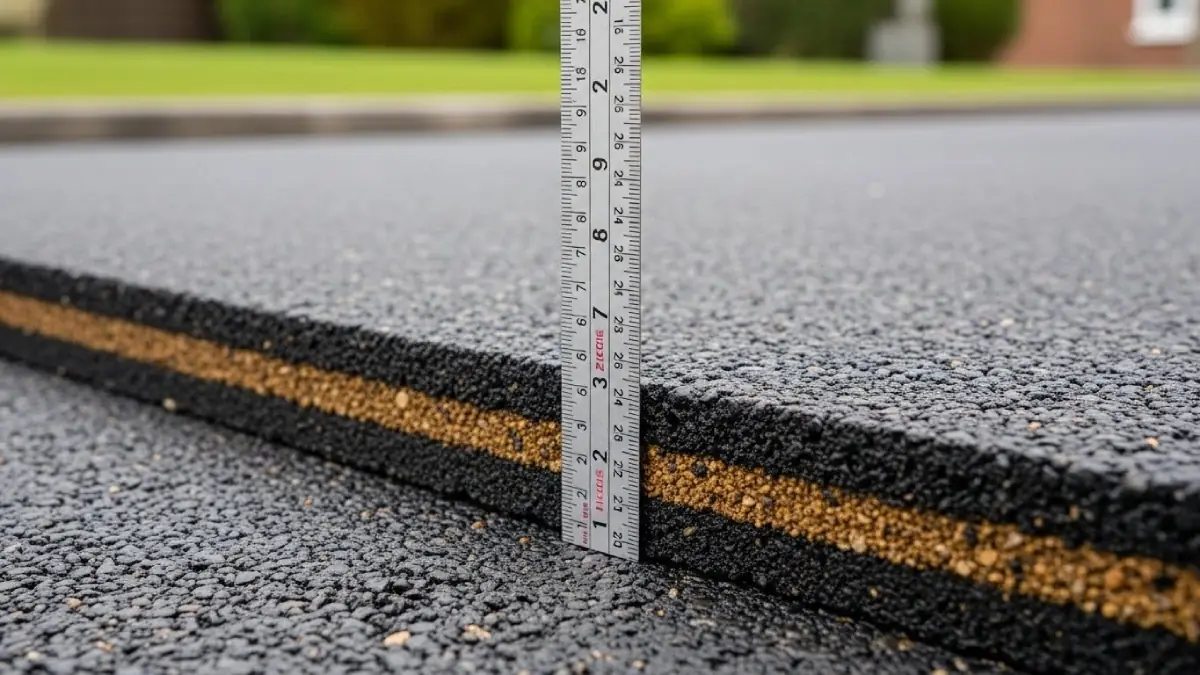
Even four inches of fresh hot-mix asphalt will fail if the gravel underneath wasn’t compacted in thin four-inch lifts with a heavy plate compactor or vibratory drum roller. Proper compaction locks jagged crushed stones together so they can’t shift under braking or turning tires. If a crew dumps eight inches of gravel at once and only rolls the top, the bottom half remains loose and settles unevenly within a year.
Protecting vulnerable driveway edges
The outer edges of any driveway are its weakest structural points because there is no adjacent pavement helping support downward tire weight. Leaving an unsupported edge at standard thickness invites crumbling whenever a car accidentally drifts onto the lawn. Tapered asphalt shoulders, thickened concrete edges, or heavy-duty paver restraints stop perimeter blowouts before they start.
Measuring depth during installation
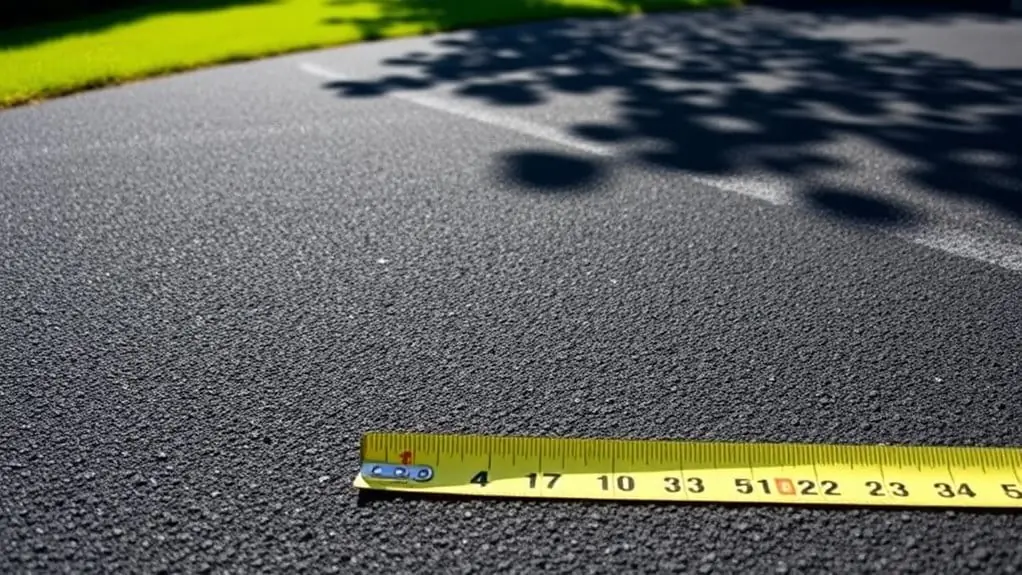
You don’t need fancy engineering tools to verify that your crew is installing the exact thickness written in your contract. Before paving starts, stick a simple tape measure into the excavated trench to check gravel base depth, and measure the wet concrete forms or fresh asphalt edge against a ruler before rollers bevel the sides. Polite on-site checks keep everyone honest.
Multi-trade site grading
Regrading a driveway to accommodate thicker base layers often changes how stormwater flows toward your side yard, retaining walls, and gate posts. Reading detailed fence company reviews can connect you with experienced exterior contractors who understand how comprehensive yard grading prevents water pooling and frost heave across your entire lot. Solving drainage slopes during excavation protects both your hardscaping and your home foundation.
Frequently Asked Questions
What is the ideal driveway paving thickness for residential asphalt?
A residential asphalt driveway should have 2 to 3 inches of compacted hot-mix asphalt installed over 6 to 8 inches of compacted crushed stone base. If you park heavy trucks or RVs, increase the compacted asphalt layer to 4 inches.
Is 4 inches thick enough for a concrete driveway?
Yes, 4 inches is the standard residential thickness for poured concrete driveways used by passenger cars and standard SUVs, provided it sits on 4 inches of compacted gravel. For heavy pickup trucks, delivery vans, or motorhomes, upgrade to a 5- or 6-inch slab reinforced with steel rebar.
How thick should the gravel base be under a paved driveway?
Most residential driveways require 6 to 8 inches of compacted crushed aggregate base beneath asphalt or pavers, and at least 4 inches beneath poured concrete. Homes built on soft clay soil or in cold climates with deep frost lines benefit from 8 to 10 inches of base stone.
What happens if driveway asphalt is paved too thin?
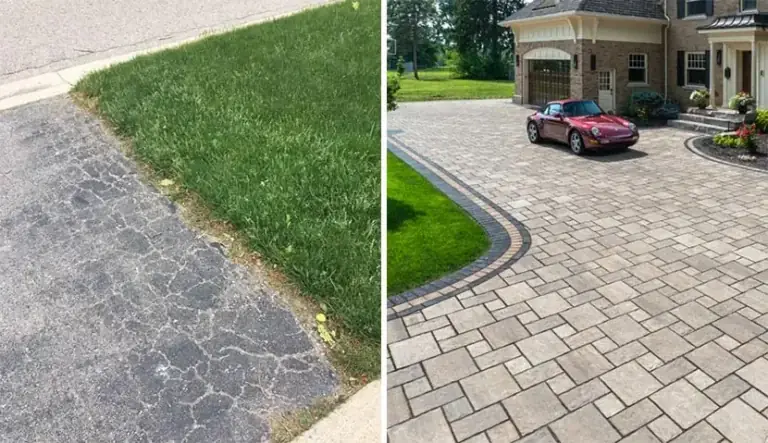
Asphalt paved thinner than 2 inches compacted lacks structural strength and quickly develops spiderweb “alligator” cracking, sunken tire ruts, and potholes under normal vehicle traffic. Thin layers also cool too rapidly during installation, preventing proper roller compaction.
Conclusion
Locking in the right driveway paving thickness protects your property from premature cracking, sunken tire ruts, and expensive tear-out bills. Whether you choose 3 inches of compacted asphalt, a 4-inch reinforced concrete slab, or 60mm interlocking pavers, insisting on a thick, well-compacted gravel sub-base guarantees decades of reliable performance. Measure your driveway dimensions, request three itemized bids that list exact compacted depths in writing, and schedule your local contractor consultation today.