Replacement Windows Explained: Types, Costs, and Choices
Having replacement windows explained to me by a seasoned contractor three winters ago saved me from throwing thousands of dollars at custom frames I did not actually need. Walking through home improvement showrooms can feel overwhelming when sales reps start tossing around terms like argon gas fills, U-factors, and pocket retrofits. Once you have replacement windows explained in plain, honest English, you realize that choosing the right frame material and glass coating keeps your living room comfortable and protects your renovation budget.
Replacement Windows Explained: Where to Start
The parts of a window you’ll be choosing
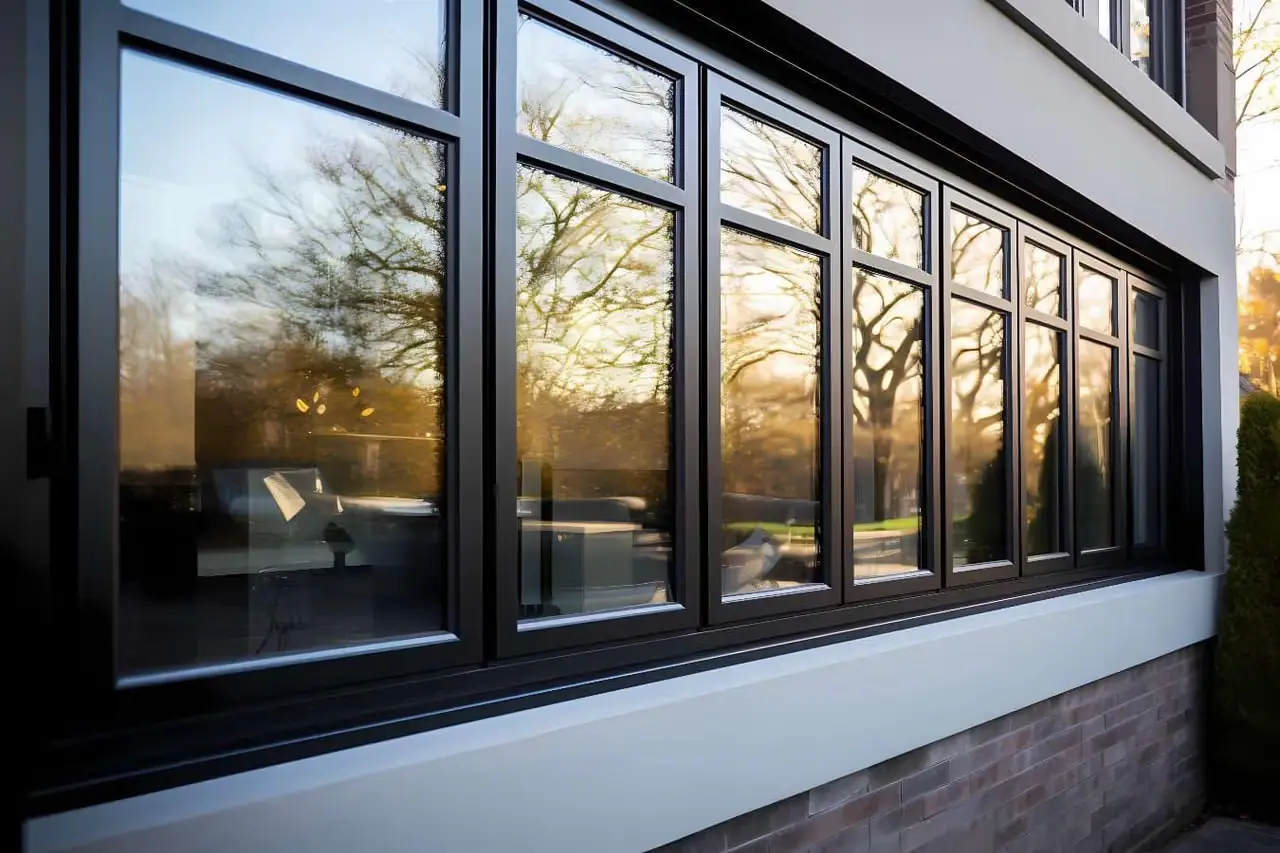
When replacement windows explained basics begin, you need to understand the main physical components that make up a functional glass unit. A standard window consists of the outer frame, the operating or fixed sashes holding the glass panes, the insulating spacer bars, and the hardware locks. Choosing durable materials for each component ensures your investment withstands punishing weather shifts for decades without letting in drafts.
Insert vs. full-frame replacement in real terms
Getting replacement windows explained clearly means distinguishing between pocket inserts and full-frame tear-outs. A pocket insert slips directly into your existing wooden frame without disturbing interior trim, while a full-frame replacement strips the opening down to bare studs to fix hidden rot. Choosing insert replacements saves significant labor costs, whereas full-frame units are mandatory if your old wooden sills are water-logged.
Pocket installation mechanics
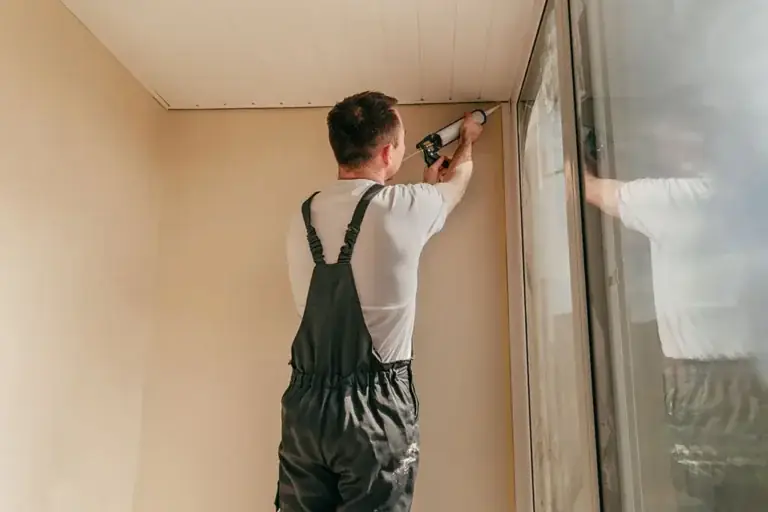
A pocket insert relies on the structural soundness of your current outer frame to anchor the new glass unit. Contractors simply remove the old sashes and weights, caulk the perimeter, and screw the self-contained insert right into the old jamb. This clean method keeps your interior drywall and casing completely undisturbed.
Full-frame retrofit requirements
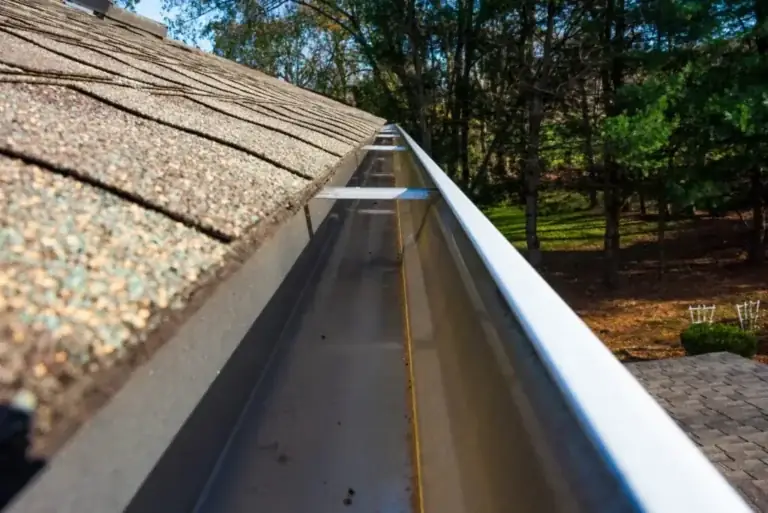
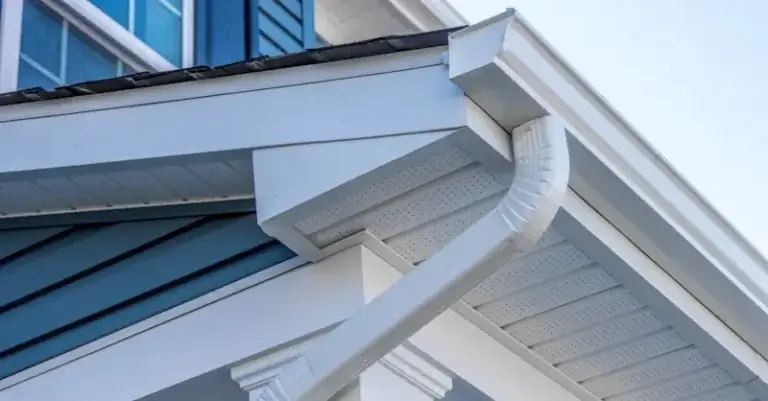
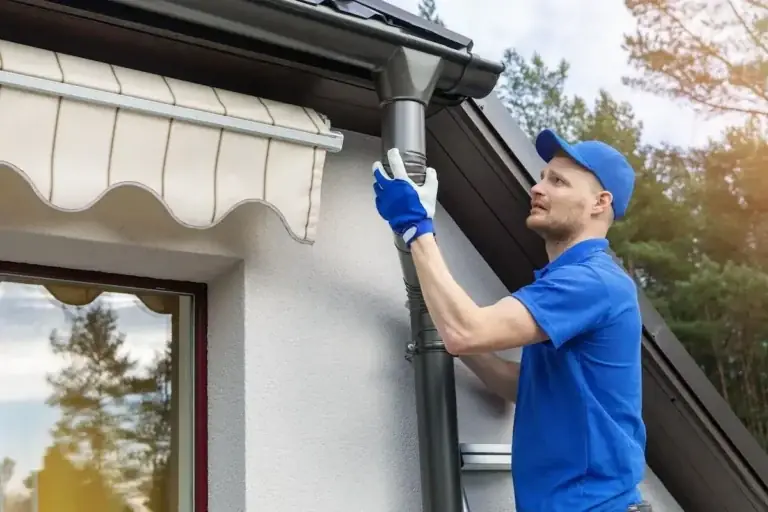
Full-frame retrofits require removing exterior brickmold and interior casing so carpenters can install a brand-new sloped sill pan and flashing tape. According to research published by the U.S. Department of Energy, proper flashing and air sealing around new window frames prevent the moisture leaks that rot wall studs over time. Pairing your window project with a solid gutter installation guide protects your new headers from heavy roof runoff.
Window Styles and Which Rooms They Suit Best
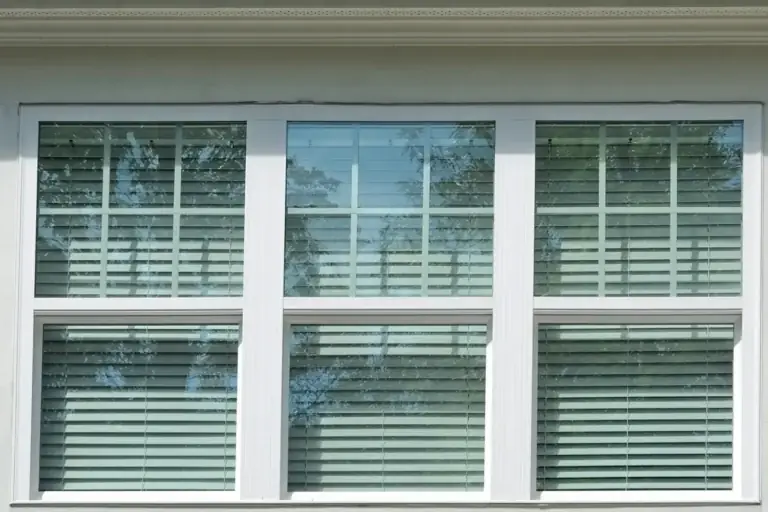
Double-hung, casement, and sliding windows compared
Different rooms require specific mechanical opening styles to maximize fresh ventilation and emergency safety egress. Here is how popular operational designs stack up for everyday residential use:
-
Double-Hung Windows: Feature two sashes that slide vertically and tilt inward for safe indoor glass cleaning, making them ideal for multi-story bedrooms.
-
Casement Windows: Crank outward on a side hinge to catch passing breezes and seal tightly against weatherstripping when locked shut.
-
Sliding Windows: Roll horizontally on smooth bottom tracks, fitting wide openings above kitchen sinks or low basement walls perfectly.
Picture, bay, and specialty shapes for unique spaces
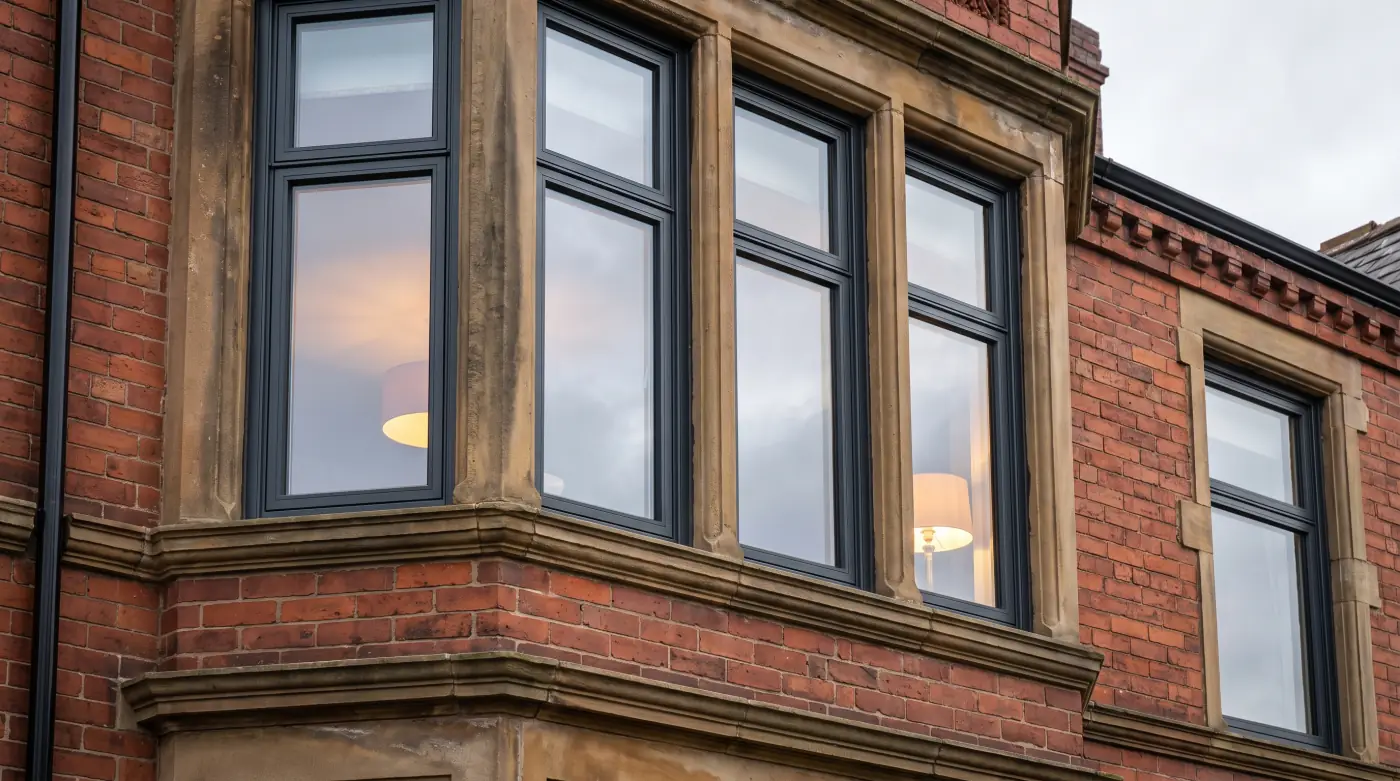
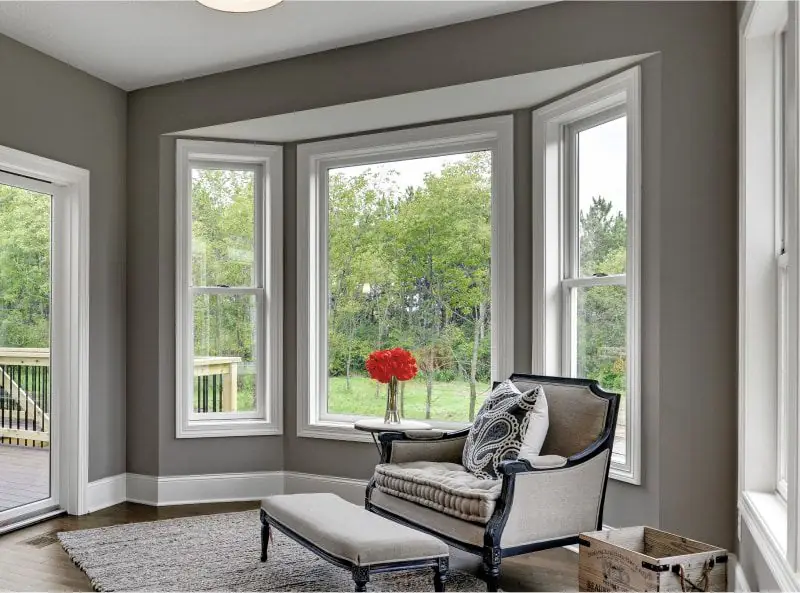
Fixed picture windows do not open at all, but they offer unobstructed outdoor views and maximum natural light for living rooms and stairwells. Bay and bow windows project outward from exterior walls to create a cozy interior reading nook while adding architectural character to the front facade. Selecting specialty geometric shapes allows you to customize dark entryways without sacrificing thermal efficiency.
Egress building code compliance
Bedrooms must feature operable windows that meet strict local building code sizing rules so residents can escape safely during a fire emergency. Fixed picture windows or narrow basement sliders often fail egress minimums, making casement or wide double-hung units necessary. Verifying code requirements with your contractor prevents costly inspection failures.
Managing DIY vs professional labor
Tackling pocket window replacements as a DIY weekend project is manageable if your existing frames are square and completely dry. If you are comfortable handling exterior caulking, learning how to install a gutter by yourself or managing simple home repairs builds your confidence. However, complex second-story full-frame installations are best left to licensed trade crews.
Materials and Glass Options That Affect Performance
Vinyl, wood, fiberglass, and composite frames
Frame materials dictate both your upfront project costs and how much weekend maintenance your exterior facade will demand over the years. Vinyl frames provide excellent thermal insulation at an affordable price point and never require painting. Wood-clad frames offer traditional warmth and beauty, though they demand regular exterior painting, while fiberglass and composite frames deliver commercial-grade rigidity against extreme weather warping.
Low-E coatings, gas fills, and energy ratings
Modern glass packages rely on microscopic metallic low-emissivity coatings to reflect solar heat away in summer and trap indoor warmth during winter. The space between double or triple glass panes is filled with dense argon or krypton gas to slow down conductive heat transfer. Checking NFRC energy performance labels ensures your new glass meets strict regional thermal efficiency standards.
Understanding U-factor and solar heat gain
The U-factor rating measures how well a window insulates against heat loss, with lower numbers indicating superior thermal performance. Solar Heat Gain Coefficient measures how much solar radiation passes through the glass, which matters depending on your local climate zone. Selecting the right ratings maximizes your monthly utility savings.
Preventing interior condensation issues
While high-efficiency glass stops cold air drafts, high indoor humidity can occasionally cause minor edge condensation on super-insulated panes. Running bathroom exhaust fans and kitchen range hoods keeps indoor moisture levels balanced. Proper home ventilation protects your new frames from unnecessary water exposure.
What Replacement Windows Really Cost
Typical price ranges per window
Getting replacement windows explained honestly means looking at realistic material and professional installation price tags for standard middle-tier homes. Standard vinyl insert windows generally cost between $450 and $900 installed per window, while premium wood-clad or fiberglass full-frame units run from $1,000 to $2,500 each. Whole-house projects for ten standard windows typically range from $5,000 to $15,000 depending on customization and structural repairs.
How to compare quotes without getting burned
Always gather at least three itemized written estimates from licensed local contractors to compare labor warranties, frame materials, and glass specifications. Be wary of high-pressure sales representatives who offer massive discounts only if you sign an agreement on the spot. Transparent contractors provide clear line items for disposal, capping, and carpentry repairs.
Accounting for hidden carpentry fees
Uncovering rotted wooden sills or water-damaged studs after pulling out old frames adds unexpected carpentry expenses to your final invoice. Keeping a 15 percent contingency fund in your renovation budget protects you from sudden surprise change orders. Addressing structural rot immediately ensures a weather-tight seal.
Vetting contractor installation credentials
High-end glass units will draft heavily if installers skip low-expansion foam insulation, sloped sill pans, and exterior flashing tape. Checking local trade feedback and contractor credentials helps you identify reliable home improvement professionals who stand behind their work. Quality installation protects both your indoor comfort and your manufacturer warranty.
Frequently Asked Questions
What are replacement windows explained in simple terms?
Replacement windows are custom-fitted glass units designed to upgrade old or drafty home openings, either by slipping into existing frames as pocket inserts or through a complete full-frame tear-out.
How much do replacement windows typically cost?
Professional installation for standard mid-range vinyl replacement windows ranges from $450 to $900 per window, while premium wood or fiberglass units cost between $1,000 and $2,500 each.
Are replacement windows better than new construction windows?
Replacement windows are specifically designed for retrofit projects without damaging exterior siding, whereas new construction windows feature nailing fins meant for bare wall studs during major home additions.
How long does a typical window replacement project take?
Experienced installation crews can replace eight to ten standard pocket windows in a single working day, while full-frame installations take longer due to necessary carpentry and exterior trim work.
Conclusion
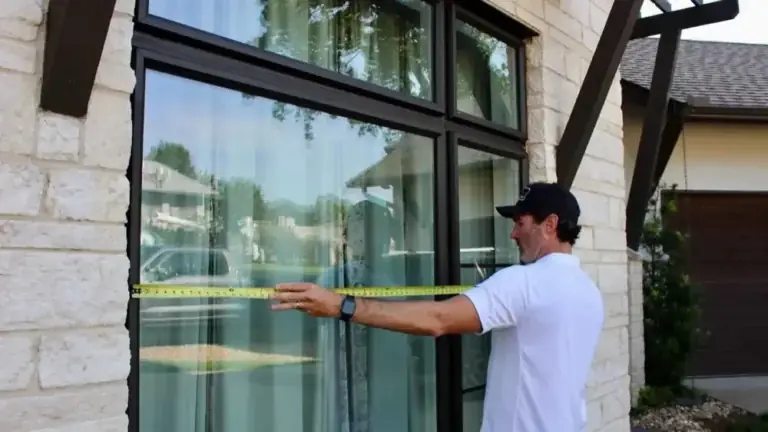
Having replacement windows explained gives you the confidence to evaluate contractor estimates, select durable frame materials, and choose between insert and full-frame installation styles. Whether you want to slash monthly energy bills, eliminate tedious exterior painting, or improve emergency bedroom safety, modern glass upgrades transform your living environment. Measure your window openings, request three detailed itemized bids from licensed local professionals, and schedule your home improvement project today.