Siding Installation Calculator: Estimate Your Project
Running numbers through a reliable siding installation calculator before calling local contractors helps you spot inflated bids instantly. Last spring, I tested three online estimators against real project data for a 1,950-square-foot colonial in Indiana, and the calculated material counts came within 5% of our actual supply house order. Most homeowners use these digital tools to establish a realistic baseline budget before collecting formal on-site estimates.
How a Siding Installation Calculator Works
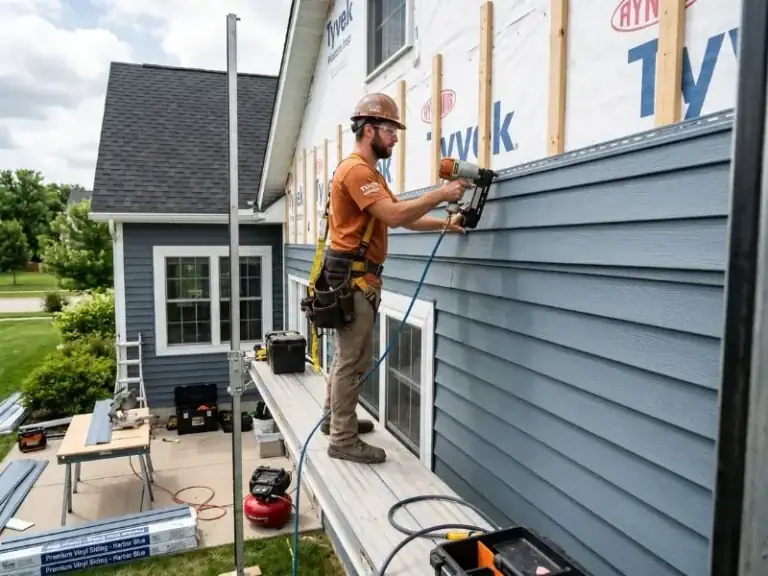
A digital siding installation calculator takes your basic exterior measurements and multiplies them by standard material factors and regional labor averages. Instead of guessing how many boxes of panels your house requires, the tool translates wall height and width into precise bundle counts. If you want to cross-check how those figures convert into wholesale bulk rates, review our siding installation price per square guide.
Inputs: wall dimensions, openings, and material
You start by measuring each exterior wall section in feet, multiplying width by height, and subtracting large garage doors or sliding glass entries. Most calculators then ask you to select a specific cladding material, such as vinyl lap, fiber cement, or engineered wood. If you are specifically calculating polymer budgets, check our vinyl siding installation price breakdown.
Converting square footage into siding squares
Supply houses and contractors measure exterior cladding in units called squares, where one square equals 100 square feet of surface area. A good calculator automatically divides your net wall square footage by 100 and adds a 10% to 15% waste factor to cover angled gable cuts and window miters. For a closer look at single-foot rates across every major brand, review our siding installation price per square foot guide.
Estimating Material Costs With the Calculator
Material prices account for roughly 45% to 55% of your total project invoice, depending on whether you choose budget polymer or architectural steel. The calculator plugs current supply-house averages into your total square count to generate an immediate product subtotal.
Price presets by siding type
Standard vinyl lap panels sit at the lowest price tier, while heavy factory-finished fiber cement and standing seam steel occupy the upper end. Insulated foam-backed vinyl strikes a middle balance by adding thermal R-value without doubling your material expenditure.
| Siding Material | Material Cost (Per Square) | Installed Total (Per Square) | Expected Lifespan |
| Standard Vinyl | $150 – $320 | $580 – $880 | 20 – 30 years |
| Insulated Vinyl | $230 – $375 | $780 – $1,200 | 25 – 35 years |
| Engineered Wood | $260 – $440 | $880 – $1,350 | 30 – 40 years |
| Fiber Cement | $310 – $575 | $1,050 – $1,600 | 40 – 50 years |
| Steel or Aluminum | $360 – $680 | $1,150 – $1,800 | 40 – 60 years |
Adding trim, corners, and starter strips
Flat wall panels never cover window casings, roof eaves, or inside corners on their own. Advanced estimators let you toggle accessory checkboxes for starter strips, J-channels, and outside corner posts.
-
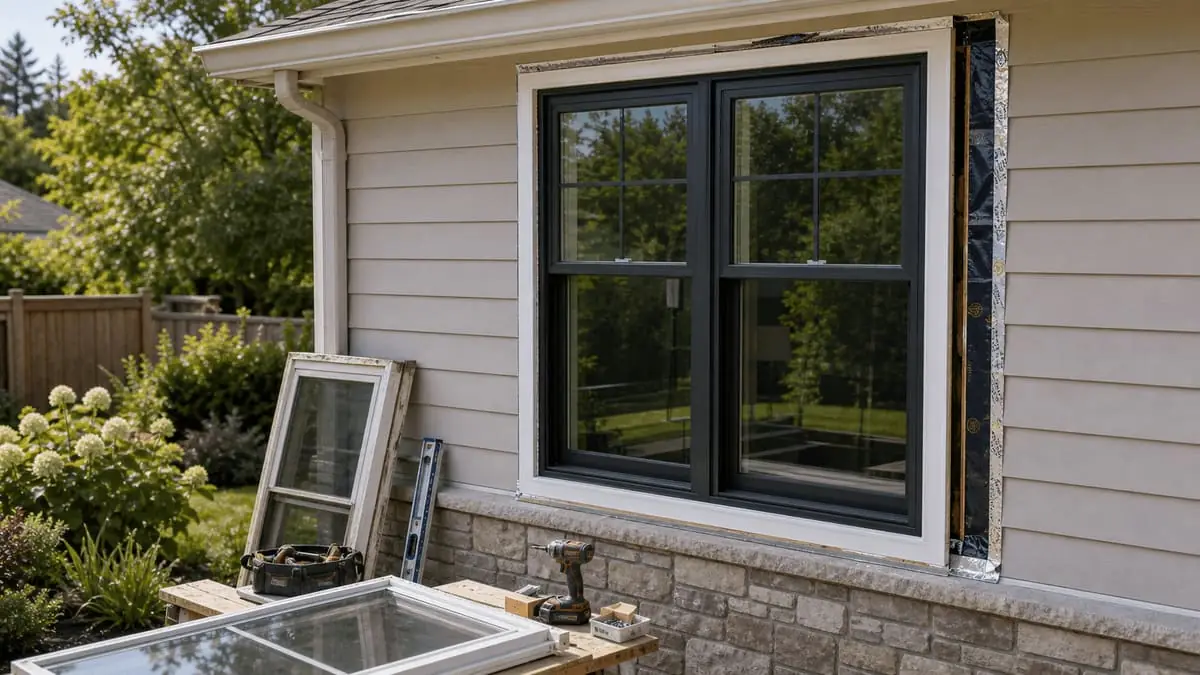
Aluminum window coil wrapping: Bending custom metal over wood window frames adds $120 to $220 per opening.
-
Vented soffit panels: Perforated vinyl or aluminum under roof eaves keeps attic airflow moving smoothly.
-
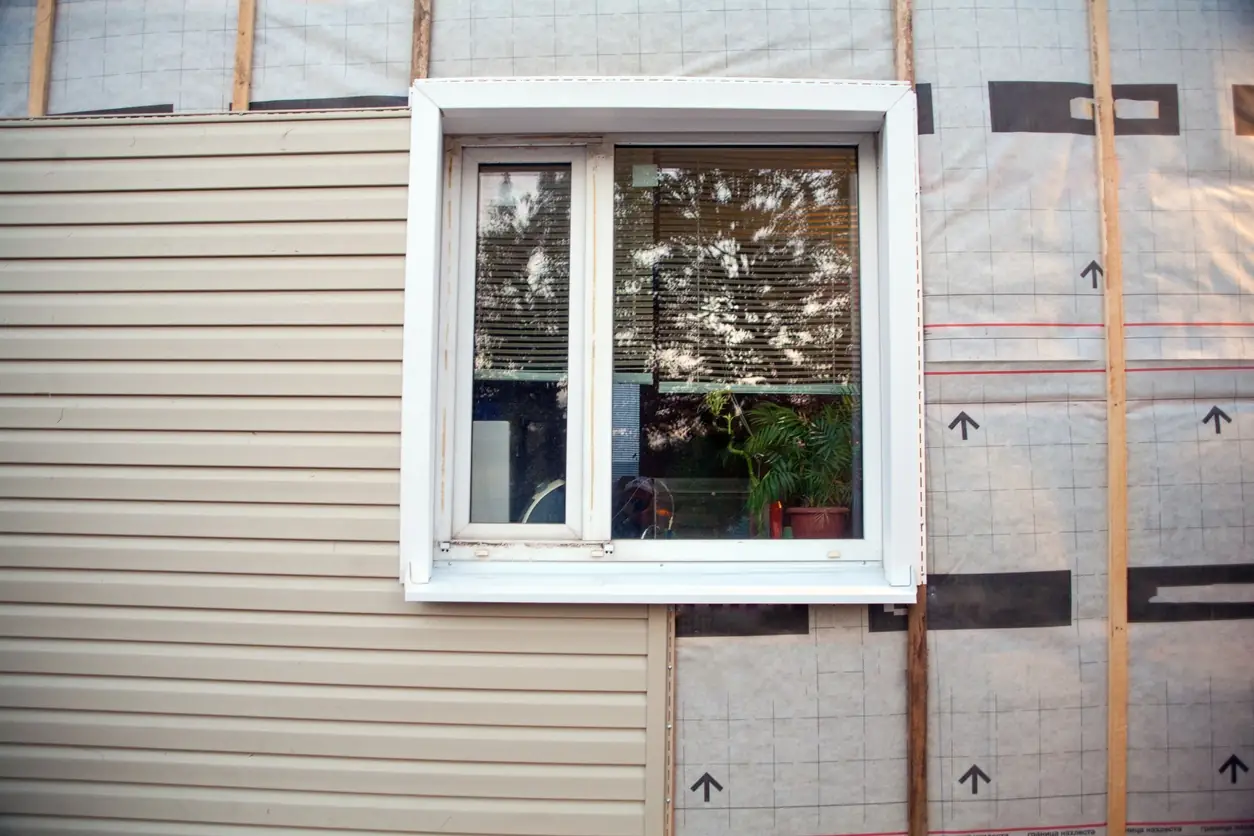
Woven house wrap and tape: A continuous weather-resistive barrier that blocks moisture behind new wall panels.
-
Corrosion-resistant fasteners: Hot-dipped galvanized or stainless-steel nails driven with proper expansion gaps.
Estimating Labor and Total Project Cost
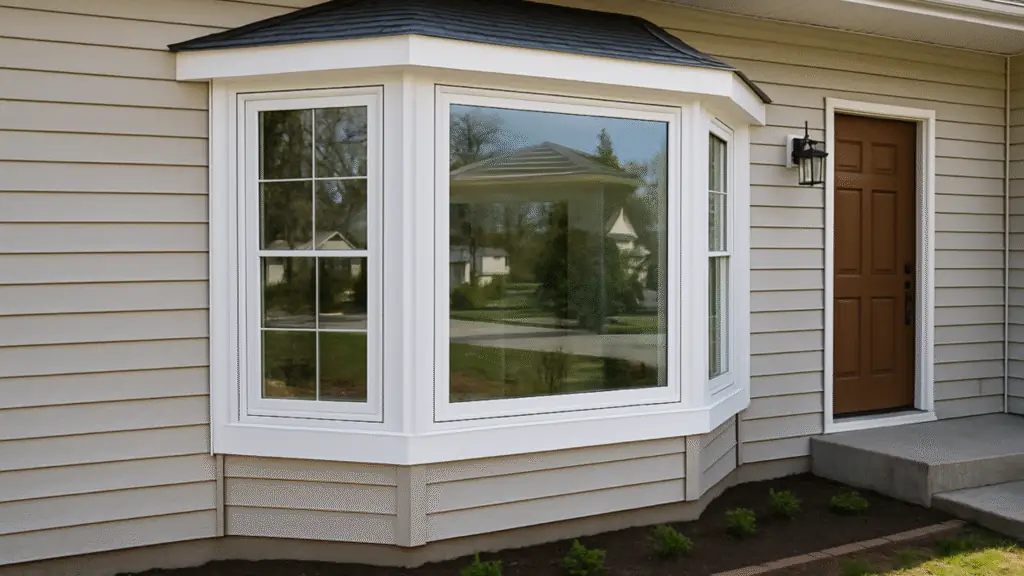
Labor rates and site prep charges often double your raw material subtotal, making crew wages the largest variable in any exterior remodel. According to Zonda’s Remodeling Cost vs. Value Report, professional siding replacements consistently recoup 88% to 96% of their cost at resale.
Labor rates by region and complexity
Contractors in high-cost metro areas like Boston or Seattle charge 20% to 25% more per square foot than crews in rural Midwest towns. Complex architectural layouts featuring multiple dormers, bay windows, and steep gables also increase labor time significantly.
Factoring tear-off and wall prep
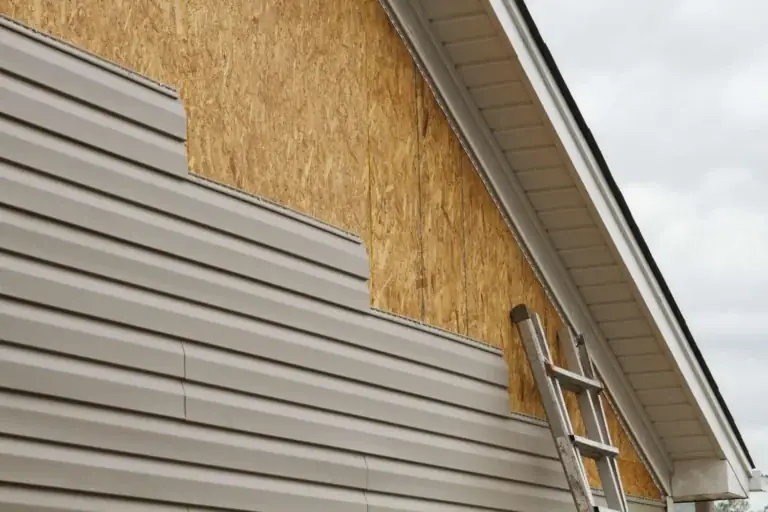
Calculators that only estimate new panel installation will leave out old siding demolition and dumpster rental fees. Stripping aged wood lap or brittle vinyl adds $65 to $135 per square to your project total.
-
Dumpster rental and hauling: $35 to $70 per square for a 20-yard roll-off container and transfer station fees.
-
Plywood sheathing repairs: $80 to $115 per 4×8 sheet when crews uncover water rot around sill plates.
-
Scaffolding and safety setups: Additional hourly labor when installers work on second-story gables.
-
Permit and inspection fees: Local municipal building permits ranging from $150 to $500.
From Estimate to Real Quote
Running a siding installation calculator gives you a powerful financial benchmark, but it cannot replace a physical on-site inspection. When local contractors walk your property, they spot unique framing issues that digital estimators miss entirely.
Why calculator numbers and bids can differ
Online tools rely on generalized regional averages and assume perfectly flat, square wall framing. If your home has hidden structural damage, uneven studs requiring furring strips, or rotted rim joists, your actual contractor bids will run higher than the calculator prediction.
Sharing your estimate with contractors
Printing out your calculator itemization and showing it to bidding contractors demonstrates that you understand fair market pricing. It opens a transparent conversation about waste allowances, trim packages, and material grades before any contract is signed.
Comparing line items fairly
Use your calculator results to check whether competing bids itemize tear-off, house wrap, and window wrapping separately. If a contractor’s bid deviates wildly from your calculated baseline, ask them to explain the discrepancy in writing.
Verifying VSI installation standards
Make sure any contractor you hire follows Vinyl Siding Institute (VSI installation guidelines) standards so expansion gaps are maintained properly at all trim pockets. Following official manufacturer specifications protects your product warranty over the life of the home.
Frequently Asked Questions
How accurate is a siding installation calculator?
A siding installation calculator provides a dependable baseline within 5% to 10% of actual material needs when your measurements are correct. However, it cannot predict hidden wood rot or complex architectural details until a contractor inspects your walls in person.
Do siding calculators include the cost of labor?
Most comprehensive calculators let you toggle between material-only mode and full installed pricing based on your zip code. Always check whether the tool’s labor preset matches current local wage rates in your area.
How do I measure my house for a siding calculator?
Walk around your exterior with a tape measure and calculate the width and height of each rectangular wall section, then add half the width times the height for triangular gable ends. Subtract large garage and sliding glass doors to get your net wall square footage.
Does a siding calculator include old siding removal?
Some basic estimators only calculate new panels, house wrap, and trim, while advanced calculators include check-boxes for old siding demolition and dumpster rental fees. Always verify whether tear-off labor is factored into your final estimated total.
Use Your Calculator Numbers to Get Bids Today
Running a siding installation calculator gives you the exact square counts and budget ranges needed to evaluate local contractor bids with confidence. Measure your exterior walls this weekend, generate your estimated material breakdown, and request your free on-site quote today to secure fair pricing before seasonal schedules fill up.