Best Fence Brands: How to Choose Top-Tier Materials That Actually Last
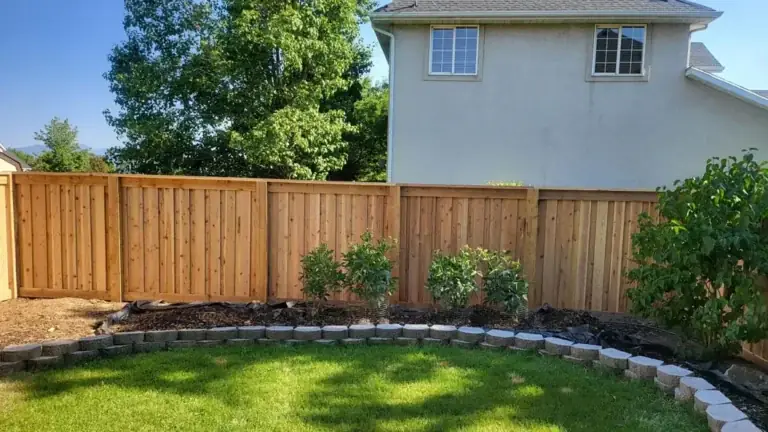
Evaluating the best fence brands saved my own backyard project from becoming an expensive rebuilding nightmare after a harsh winter. Last year, I compared lumber grades and vinyl wall thicknesses across five different suppliers before replacing 150 linear feet of weathered perimeter. Walking through local showrooms and inspecting leftover scraps showed me why cheap big-box store panels warp within twenty-four months while professional-grade products stand tall.
When you start planning a new enclosure, the sheer number of manufacturer names can leave your head spinning. You want materials that resist fading, splitting, and wind damage without requiring endless weekend maintenance. If you are comparing estimates right now, you are likely looking at material costs anywhere from $15 to $45 per linear foot before labor. This guide breaks down how to evaluate major manufacturers, understand warranty fine print, and select products that protect your investment for years to come.
Understanding how different materials perform under harsh weather conditions is crucial before signing a contract. Wood splits when moisture gets trapped inside the grain, while cheap plastics become brittle under intense summer ultraviolet rays. Premium manufacturers invest heavily in proprietary chemical formulas and reinforced internal structures to prevent these exact failure points. Taking the time to study manufacturer specifications separates a fence that sags after one season from a boundary that holds strong for decades.
Best Fence Brands — Overview
A recognizable brand name means very little if you purchase their lowest-tier, thin-walled product line. When you analyze the market, you must look past marketing brochures and examine actual extrusion thicknesses, steel reinforcements, and lumber treatments. Real experience shows that premium manufacturers invest heavily in UV inhibitors and proprietary locking mechanisms that prevent panels from rattling in high winds.
Key facts to know first
Material grade differences and pricing
Residential fencing typically splits into vinyl, wood, and ornamental metal, with prices ranging from $1,800 to $5,000 for a standard yard. According to home improvement data published by the National Association of Home Builders, premium grade materials reduce lifetime maintenance costs by over 40% compared to contractor-grade alternatives. Knowing these baseline standards helps you spot manufacturers who cut corners on raw polymer quality.
Why wall thickness dictates vinyl longevity
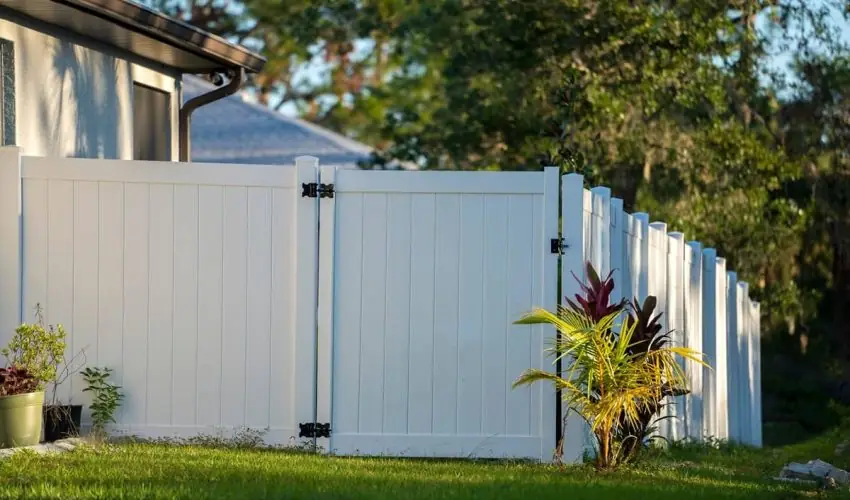
Cheap vinyl fencing often features thin 0.100-inch wall profiles that crack easily under impact from stray tree branches or lawnmowers. When you research fence company reviews, pay close attention to homeowner comments regarding yellowing and sagging. Top-tier vinyl manufacturers use heavy 0.150-inch wall thicknesses and titanium dioxide additives to block UV breakdown.
Lumber durability and pressure treatment standards
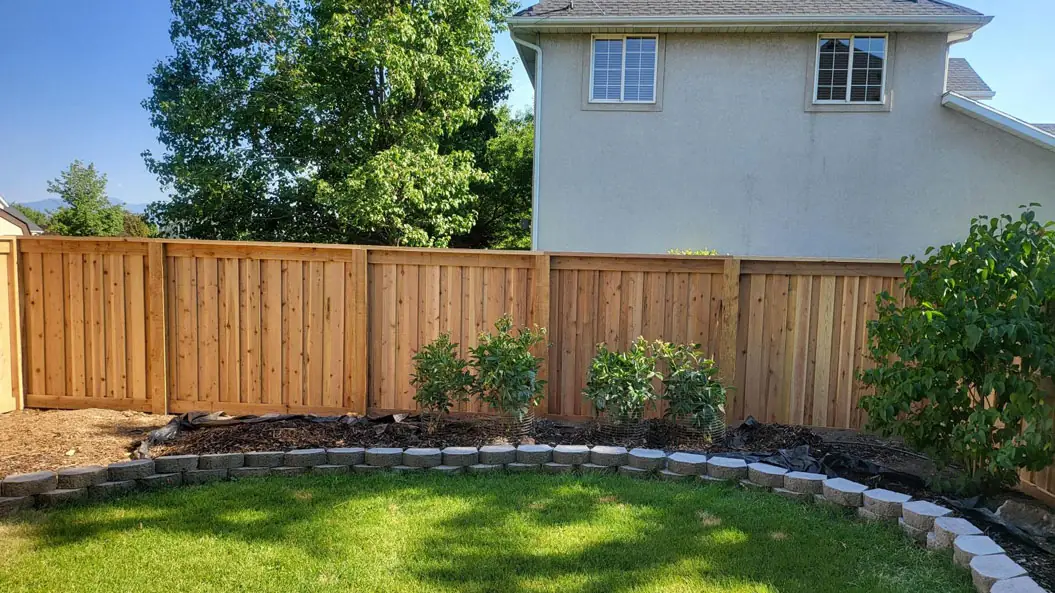
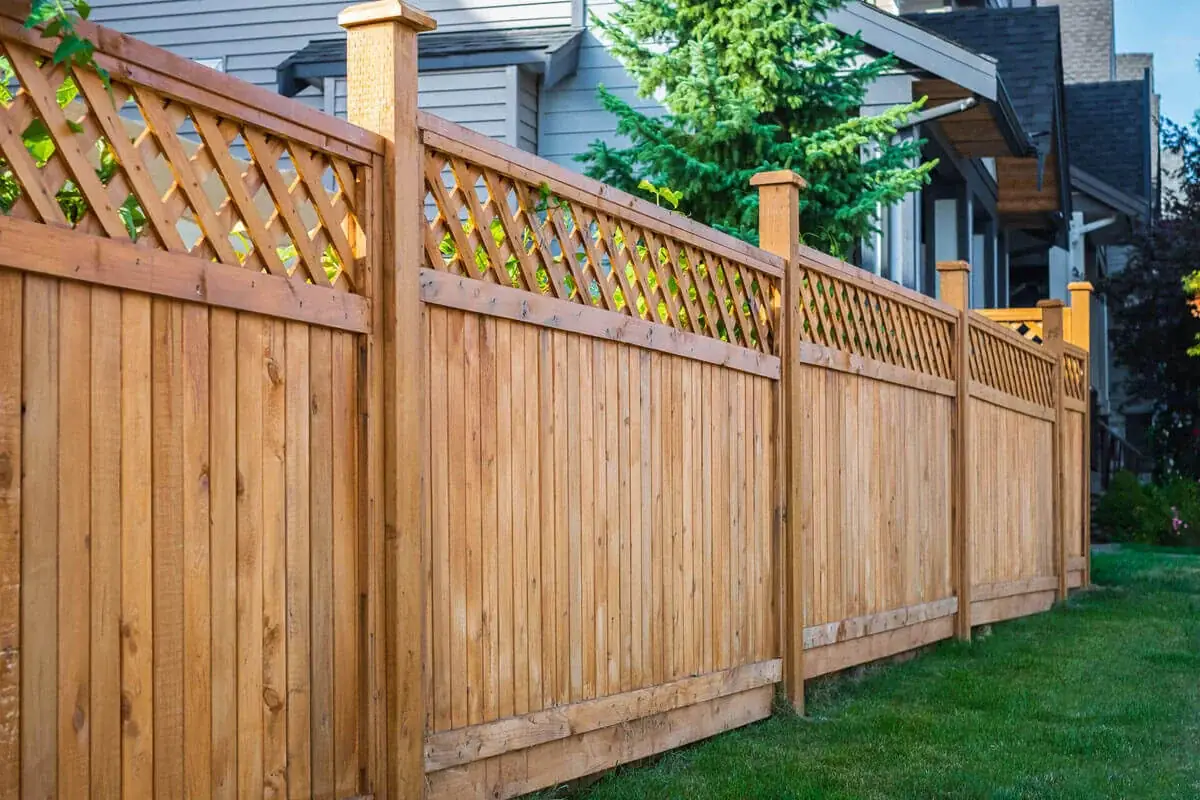
Natural wood options like western red cedar or pressure-treated southern yellow pine require careful evaluation of mill grading stamps. Before hiring a builder, check local fence contractor reviews to see how well their preferred lumber holds up against ground moisture. Properly treated wood rated for ground contact prevents premature rot at the critical soil line.
-
Check if the manufacturer offers a transferable lifetime limited warranty against cracking, peeling, and excessive fading.
-
Look for aluminum stiffeners inside bottom vinyl rails to prevent sagging over wide 8-foot spans.
-
Verify whether wood products come from sustainable mills certified by the Forest Stewardship Council.
-
Confirm that ornamental metal gates feature fully welded corners rather than flimsy screw-together brackets.
What most people get wrong
Assuming all vinyl and aluminum products are identical
Shoppers frequently look at two white vinyl panels of the same height and assume the cheaper one is a bargain. In reality, lower-end extrusion lines lack impact modifiers and heavy internal ribs, causing them to shatter during freezing winter storms. Comparing established fence brands side by side reveals massive differences in structural integrity.
Ignoring manufacturer installation guidelines
Even the highest-rated product will fail prematurely if the contractor ignores post spacing or concrete depth rules. Manufacturers specify exact post hole dimensions and rail pocket depths to maintain structural wind load ratings. If a crew cuts corners during assembly, the brand warranty becomes completely void.
Misunderstanding warranty limitations
Homeowners often assume a lifetime warranty covers storm damage, accidental impact, and normal weathering. Most major manufacturers exclude acts of nature, improper installation, and gate wear from their coverage terms. Always read the fine print before paying a premium for a brand name.
Selecting the right product involves balancing your aesthetic preferences with local environmental demands. If your property faces heavy coastal winds, ornamental steel or reinforced vinyl is vastly superior to standard wooden privacy pickets. Taking these factors into account prevents costly replacement cycles and ensures complete satisfaction with your final outdoor boundary.
Frequently Asked Questions
Which manufacturers produce the most reliable vinyl fencing?
Industry leaders like CertainTeed, Ply Gem, and Homeland Vinyl consistently rank at the top for durability and UV resistance. These companies use heavy-wall extrusions and proprietary locking tabs that keep pickets secure during severe windstorms.
Are big-box store fencing materials lower quality?
Retail stores often stock lighter builder-grade versions of major brand products to hit a lower price point. These retail lines typically feature thinner walls and shorter warranties than professional-grade materials sold directly through licensed contractors.
How can I verify a manufacturer’s warranty coverage?
Always request the official written warranty document from your contractor before signing an agreement. Reputable brands publish their complete warranty terms online, detailing what is covered and how to file a claim if defects appear.
Do premium fence brands require special maintenance?
High-end vinyl and powder-coated aluminum require only an occasional wash with mild soap and water to remove dirt. Natural wood brands require periodic staining or sealing every two to three years to prevent moisture penetration and silver graying.
Reviewed by Nicole Holloway, Content Editor — Senior Home Exterior Specialist with 12 years of residential remodeling and contractor vetting experience.
Take ten minutes tonight to review material specifications from three top-tier suppliers before finalizing your backyard project. Once you choose durable products that match your local climate, connect with an experienced installer to get your measurements on the schedule. Making informed choices today ensures your perimeter stays sturdy and attractive for years to come.