Block Paving vs Resin Driveway: Cost, Lifespan & Pros
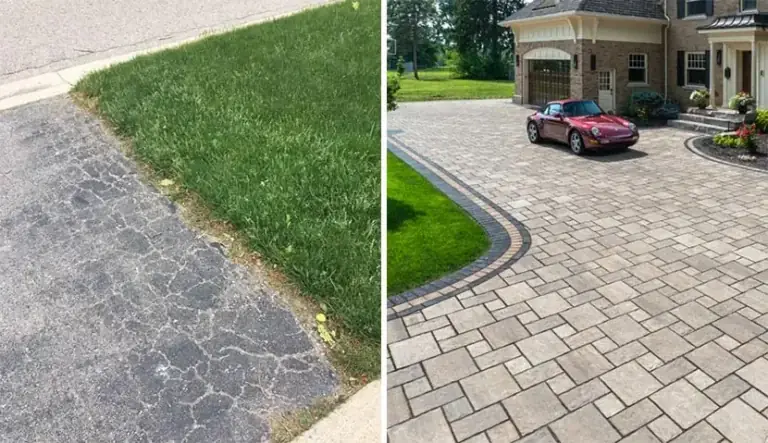
Choosing between a block paving driveway vs resin option is a major exterior upgrade decision that every homeowner faces when old concrete starts breaking apart. I spent weeks talking to local contractors and analyzing paving bids before realizing that initial visual appeal tells you nothing about how a surface handles winter frost. When you weigh a block paving driveway vs resin finish, you have to balance upfront installation costs, drainage requirements, and ongoing maintenance demands against your daily parking habits.
Block Paving Driveway Vs Resin — Overview
Key facts to know first
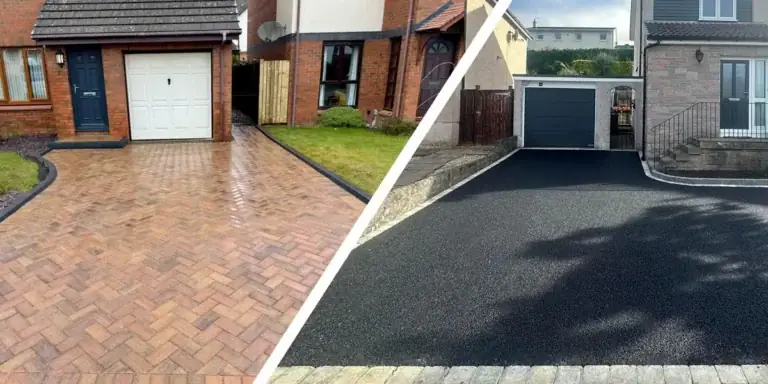
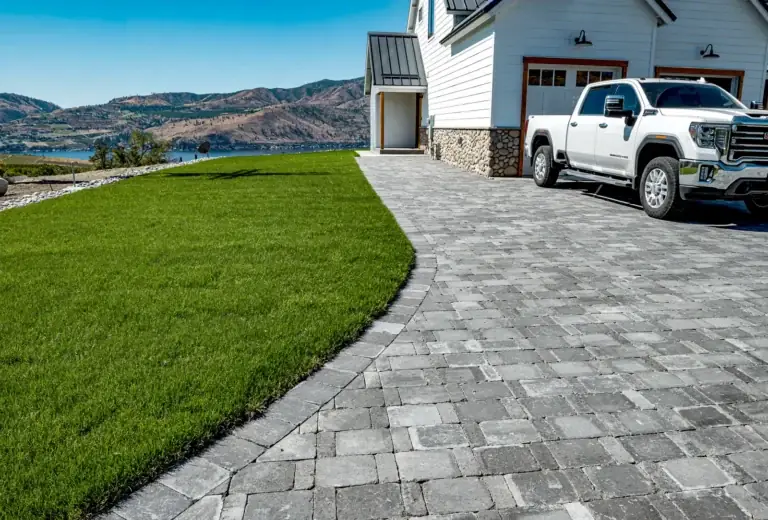
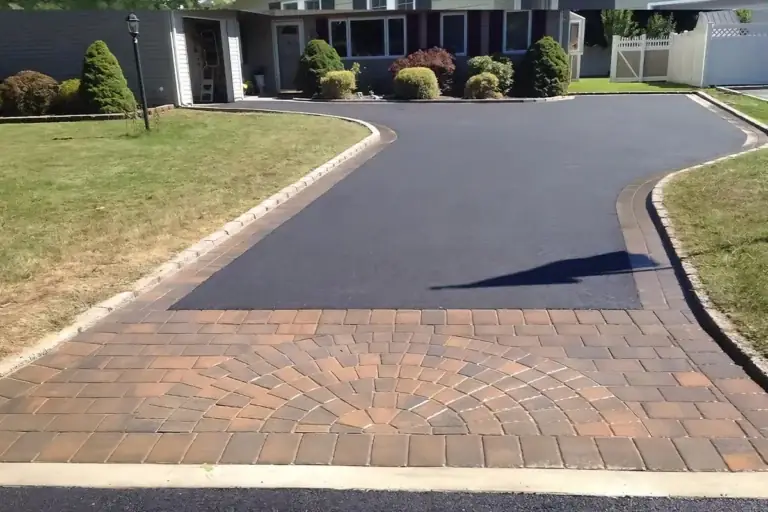
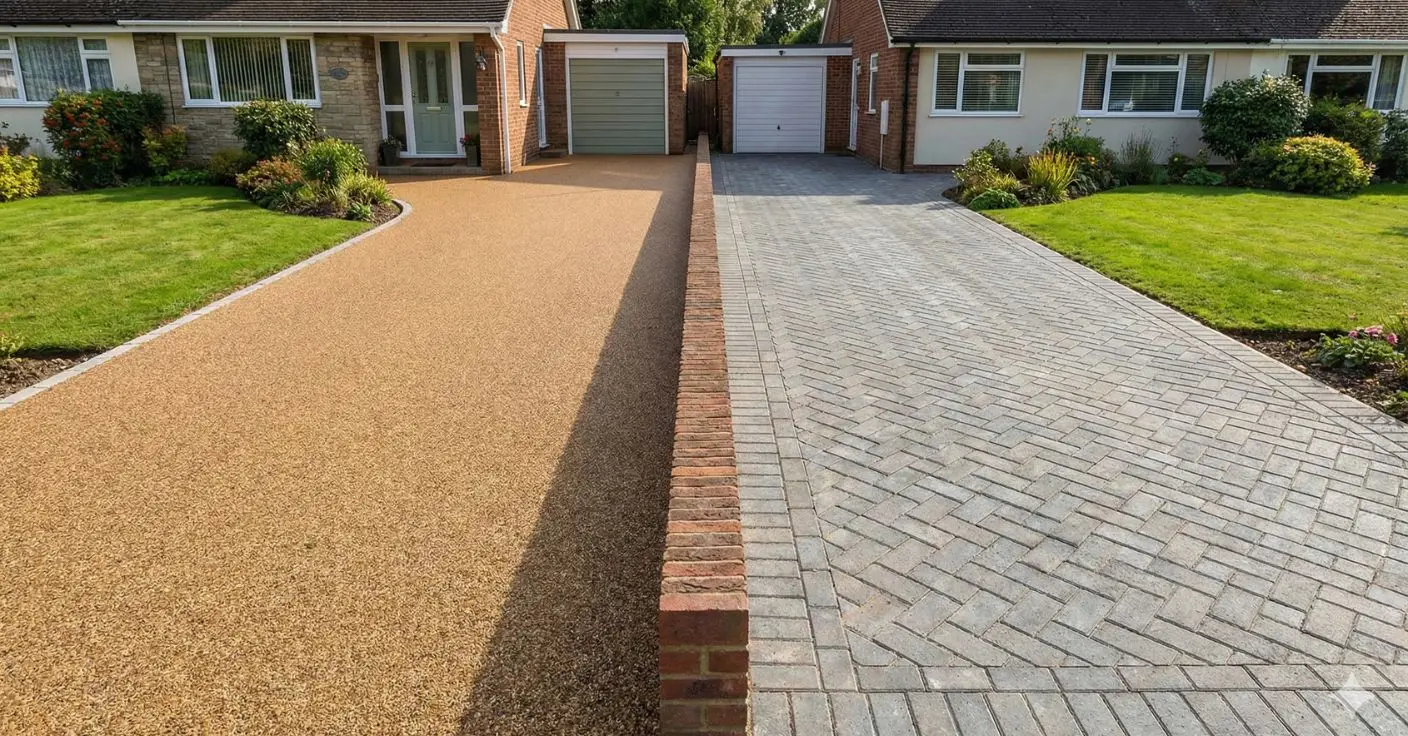
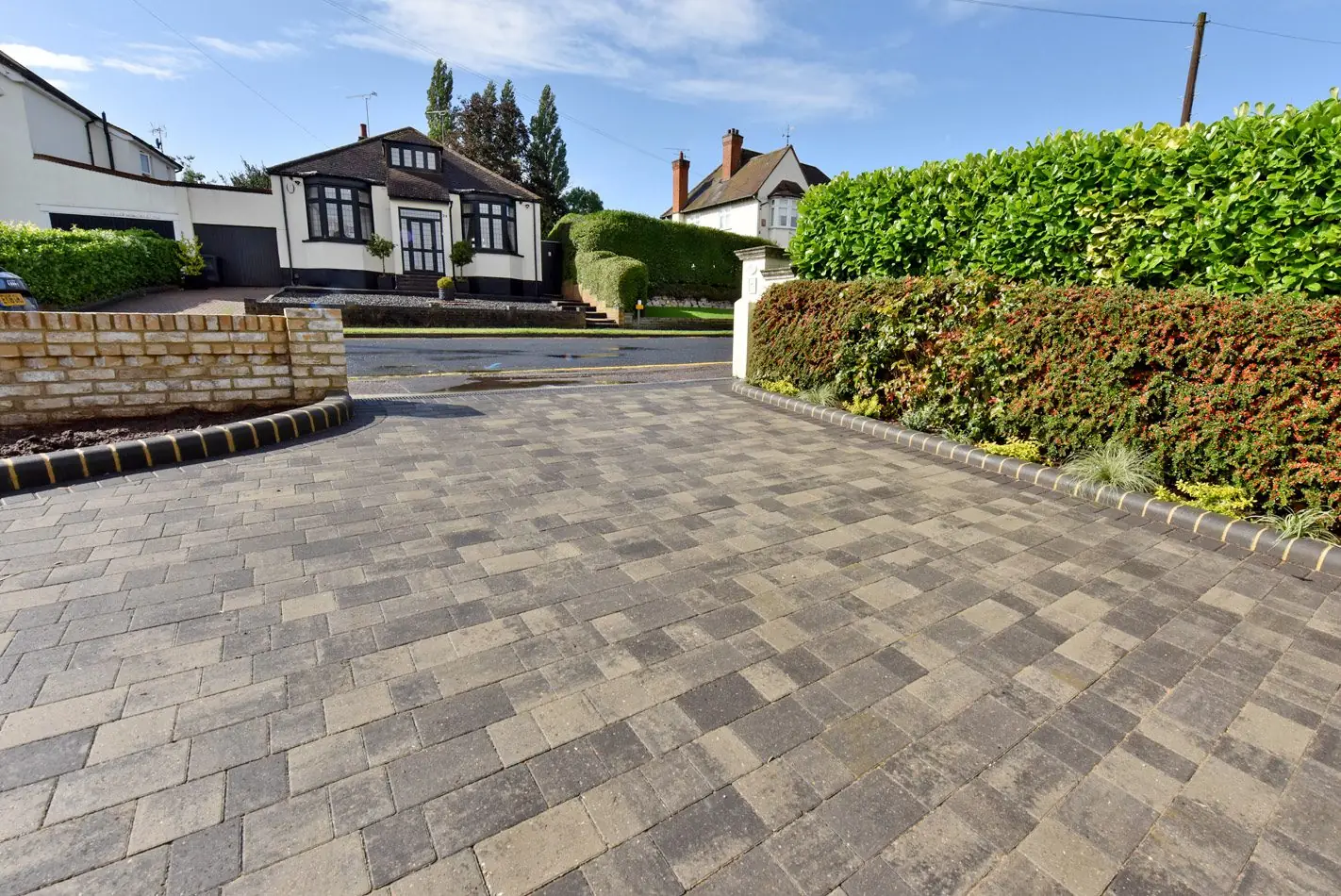
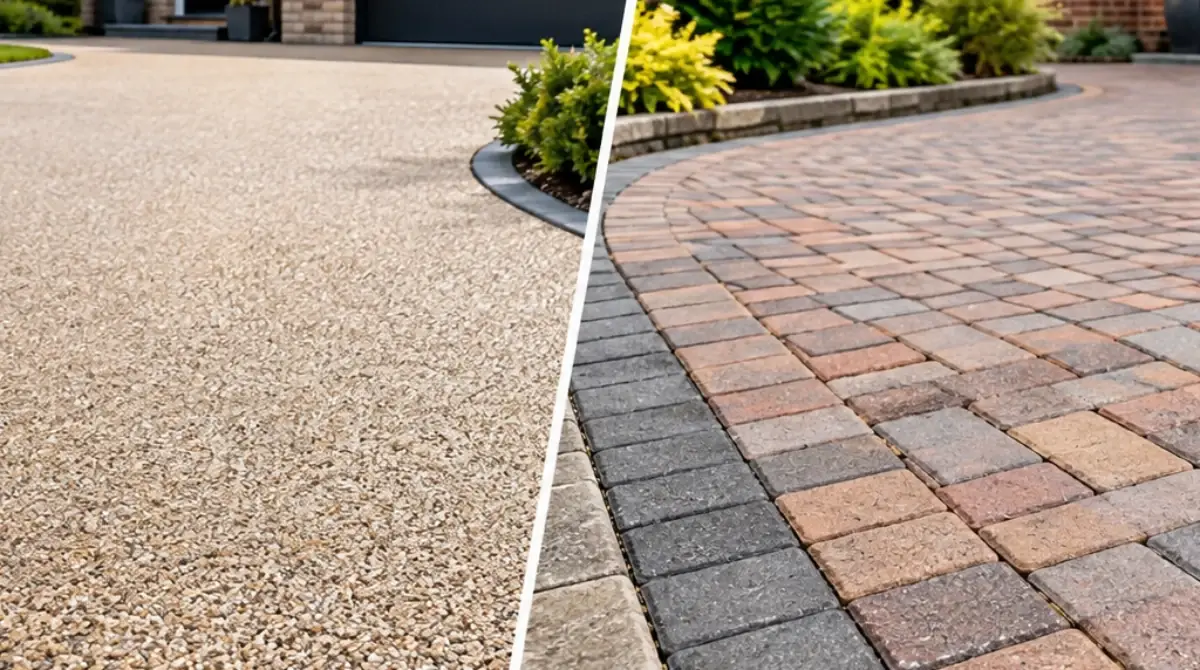
A block paving driveway vs resin comparison puts modular clay or concrete blocks against a smooth, seamless mixture of aggregate stones and liquid resin binders. Block paving relies on tight joints filled with kiln-dried sand to lock individual units in place over a compacted sub-base. Resin bound surfaces mix natural stones together with polyurethane resin before troweling them smoothly over an existing concrete or asphalt foundation.
What most people get wrong
Homeowners often assume that resin surfaces require zero upkeep and that block paving will inevitably turn into a weed-filled garden bed within two years. In reality, resin driveways can suffer from UV degradation or reflective cracking if the underlying sub-base shifts underneath them. Meanwhile, regular sweeping and occasional re-sanding keep block paving looking sharp for decades without major headaches.
Sub-base preparation standards
Both surfacing methods demand heavy excavation and precise aggregate compaction to prevent sinking and wheel ruts under heavy vehicle traffic. The Concrete Society outlines strict technical specifications for sub-base depth and drainage gradients to ensure exterior paving withstands freeze-thaw cycles. If an installation crew rushes the grading phase, even the most expensive surface materials will fail prematurely.
Contractor evaluation steps
Hiring a reliable driveway specialist requires checking local licensing, insurance certificates, and verifiable customer references before signing any formal agreements. You can read honest contractor experiences and fence contractor reviews to see how dependable exterior trade professionals handle scheduling and quality control on real residential jobs. Taking time to vet your installer protects your investment from costly remediation down the road.
Cost Breakdown and Financial Planning
Initial installation expenses
Block paving typically costs less per square foot upfront than resin bound surfaces because material and labor rates follow standard masonry pricing. Resin bound installations command a higher initial price tag due to specialized chemical compounds, precise mixing ratios, and skilled hand-trowel labor. Weighing these immediate expenses against your home equity goals clarifies your purchasing decision.
Long term maintenance costs
Resin surfaces rarely sprout weeds and clean easily with a pressure washer, but repairing a cracked section leaves noticeable color patches. Block paving requires periodic weed removal and joint refilling, but individual damaged blocks pop out and replace easily without patchwork scars. Calculating these recurring maintenance expenses over a twenty-year span reveals the true cost of ownership.
Regional climate impacts
Freeze-thaw cycles in northern states test the limits of rigid sub-bases and porous joints alike. If you live in an area that experiences severe winter frost heave, flexible block paving adjusts to minor ground movement much better than rigid resin slabs. Matching your material choice to your local weather patterns prevents premature surface failure.
Material aesthetic factors
Resin driveways offer a sleek, modern appearance with seamless color blends that elevate your property curb appeal significantly. Block paving provides classic geometric patterns and traditional textures that complement historic and suburban home exteriors. You can consult best fence brands guides and exterior design resources to see how different surface textures coordinate with your fencing and landscaping.
Durability and Lifespan Factors
Lifespan expectations
A professionally installed and maintained block paving driveway typically lasts for thirty to forty years without major structural failure. Resin bound driveways often endure for fifteen to twenty-five years when contractors install them over stable concrete foundations. Longevity makes block paving an appealing long term investment for homeowners planning to stay put for decades.
Repair complexity
Fixing a sunken spot in a block paving driveway involves lifting the affected blocks, adding fresh bedding sand, and compacting the area back to grade. Repairing a severely cracked resin surface requires cutting out the damaged patch and attempting to match aggregate colors, which rarely hides the repair completely. Knowing how each material fails helps you prepare for future upkeep.
Surface traction performance
Textured block paving joints provide natural drainage paths that reduce standing water puddles during heavy rainstorms and winter snowfalls. Resin bound surfaces are fully porous and allow rainwater to drain directly through the stone matrix, eliminating puddles entirely. Evaluating local safety conditions ensures your new driveway remains secure for family and guests.
Drainage and slope design
Proper grading prevents standing water from pooling near your foundation or freezing into dangerous ice patches during winter months. Experienced paving contractors use laser levels to establish precise runoff slopes away from garage doors and walkways. Reading detailed fence company reviews can also connect you with multi-trade contractors who understand comprehensive yard drainage planning.
Frequently Asked Questions
Which driveway option lasts longer, block paving or resin?
Block paving generally outlasts resin bound surfaces, providing thirty or more years of service when maintained with occasional re-sanding. Resin driveways typically last fifteen to twenty-five years before the binder begins breaking down under UV exposure.
Are resin driveways significantly more expensive than block paving?
Resin bound driveways usually cost twenty to forty percent more than standard block paving due to expensive polymer binders and skilled labor requirements. However, their weed-resistant surface reduces ongoing maintenance time significantly.
Can I install a block paving driveway myself over a weekend?
DIY installation is possible for small backyard patios, but a full driveway requires heavy excavation equipment, precise grading, and professional compaction tools. Professional installation ensures your sub-base will not shift under heavy vehicle traffic.
Do resin driveways crack easily under heavy cars?
Resin bound surfaces resist cracking if installed over a stable, reinforced concrete or asphalt sub-base. If the sub-base shifts or settles due to poor compaction, the resin surface above will reflect those structural cracks.
Conclusion
Choosing between a block paving driveway vs resin finish depends heavily on your aesthetic preferences, maintenance willingness, and long term budget. Block paving delivers classic modular versatility and easy individual repairs, while resin provides a seamless, porous modern look with minimal weed growth. Take time to evaluate your sub-base conditions, talk with qualified local contractors, and schedule your project estimate today.