Driveway Pavers Vs Asphalt: Costs, Durability, and Honest Advice
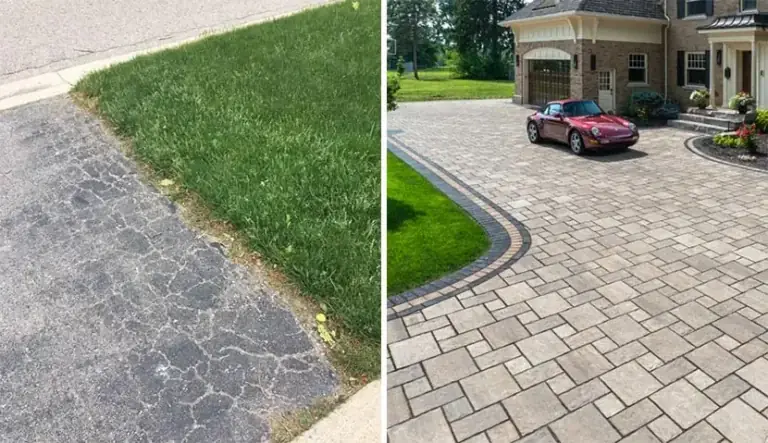
Comparing driveway pavers vs asphalt is the exact headache I faced three summers ago when my old blacktop finally gave up and split right down the center. I spent weeks gathering quotes from local paving crews and hardscape masons before realizing these two surfaces live in completely different worlds of pricing and upkeep. If you’re weighing driveway pavers vs asphalt for your own home, you need to look past the initial square-foot estimate and examine how each material handles ten years of harsh weather and heavy cars.
Driveway Pavers Vs Asphalt — Overview
Key facts to know first
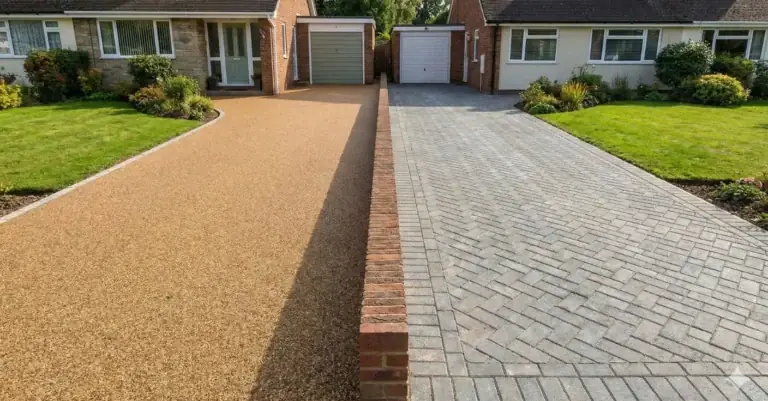
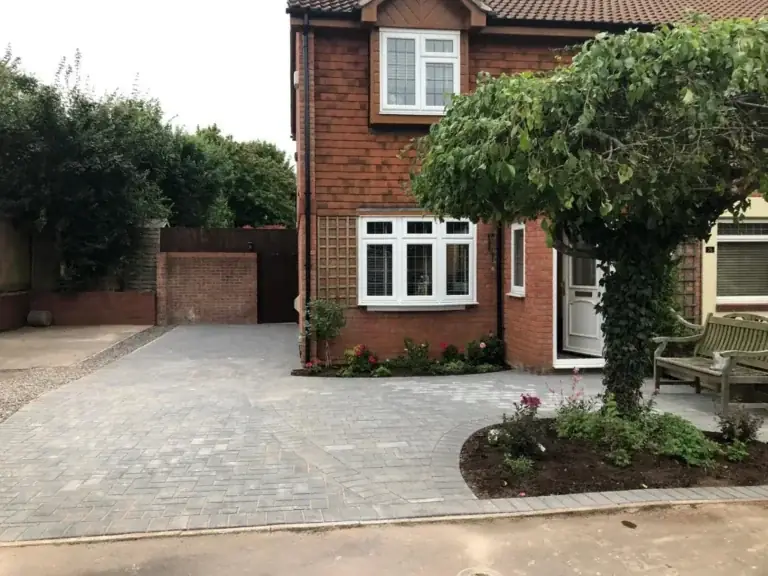
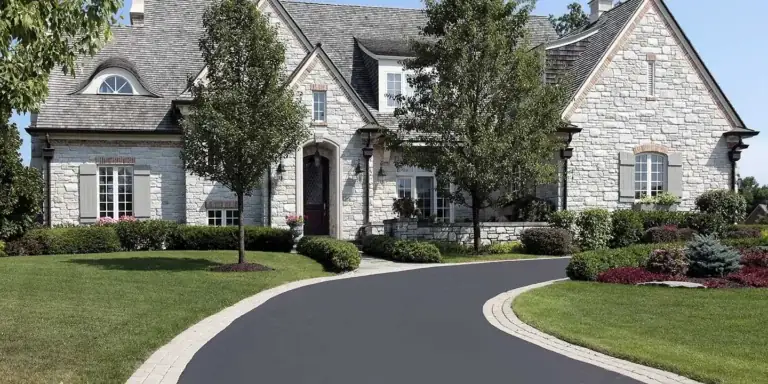
A direct driveway pavers vs asphalt comparison pits modular interlocking concrete or clay stones against hot-mix petroleum aggregate rolled into a single flexible sheet. Asphalt relies on liquid bitumen binders that stay slightly pliable in warm weather, while pavers lock together with polymeric sand over a thick crushed gravel base. Both systems handle freeze-thaw cycles better than rigid poured concrete, though their installation timelines and price tags sit miles apart.
What most people get wrong
Homeowners frequently assume asphalt is just a cheap, temporary fix that crumbles after five years, while believing pavers never require a single afternoon of yard work. In truth, a properly compacted asphalt driveway easily lasts twenty years if you seal it on schedule, whereas neglected pavers quickly sprout stubborn weeds and moss between the joints. Neither option is magic, and both fail fast if your contractor skimps on excavation depth.
Sub-base compaction standards
According to technical pavement guidelines published by the Asphalt Institute, proper subgrade drainage and compacted aggregate thickness dictate the vast majority of any driveway’s lifespan. Whether you choose stone units or hot blacktop, crews must excavate at least eight to twelve inches down and compact crushed gravel in lifts. Skipping this foundational step guarantees sunken tire ruts within two seasons.
Vetting local trade crews
Finding an installer who takes base preparation seriously matters far more than picking fancy stone borders or premium sealers. You can check local trade feedback and fence contractor reviews to see how dependable exterior crews manage job sites, respect property lines, and stand behind their workmanship. Taking time to verify references protects you from fly-by-night operators.
Cost Breakdown and Long-Term Upkeep
Upfront installation costs
Hot-mix asphalt typically costs $4 to $8 per square foot installed, making it the undisputed budget champion for long suburban driveways or tight renovation funds. Interlocking pavers run $15 to $30 per square foot because masons must hand-lay, cut, and plate-compact thousands of individual stones. For a standard 600-square-foot two-car driveway, you’ll spend roughly $3,600 for blacktop compared to $12,000 or more for pavers.
Maintenance schedules and repair reality
Asphalt demands regular preventive care, while pavers require occasional joint upkeep and weed control. Here is what owning each surface actually looks like over a fifteen-year stretch:
-
Asphalt upkeep: You must apply a coal-tar or asphalt-emulsion sealcoat every two to three years ($200 to $400 per visit) and fill hairline cracks every spring before water freezes inside them.
-
Paver upkeep: You’ll need to pressure wash the surface and re-sweep fresh polymeric sand into the joints every three to five years to keep weeds and ants out.
-
Spot repairs: Oil leaks or frost heaves on pavers mean lifting out five stones, re-leveling the sand, and dropping them back in; fixing sunken asphalt leaves an obvious black patch.
Summer heat and UV exposure
Dark blacktop absorbs intense summer sunlight, softening the surface enough that sharp motorcycle kickstands or heavy trailer jacks can leave permanent dents in July. Light-colored concrete pavers stay noticeably cooler underfoot and resist softening during heat waves, though cheap pigments can fade slightly over a decade. If you have kids playing basketball in the driveway all summer, pavers are much easier on bare feet.
Matching your home exterior
Your driveway covers a huge chunk of your front yard, so its texture should work with your fencing, siding, and walkways. Browsing best fence brands and hardscape pairing ideas helps you coordinate warm paver tones or crisp blacktop edges with your perimeter fencing. Good exterior design ties every hard surface together cleanly.
Lifespan, Curb Appeal, and Weather Performance
Durability and resale value
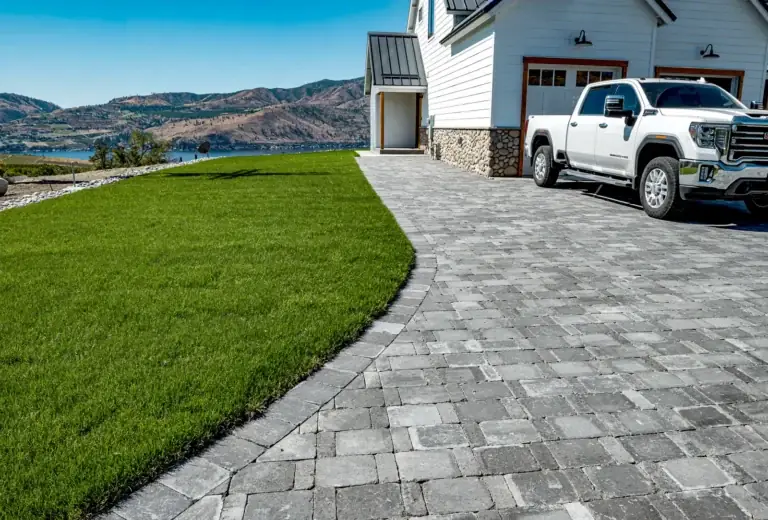
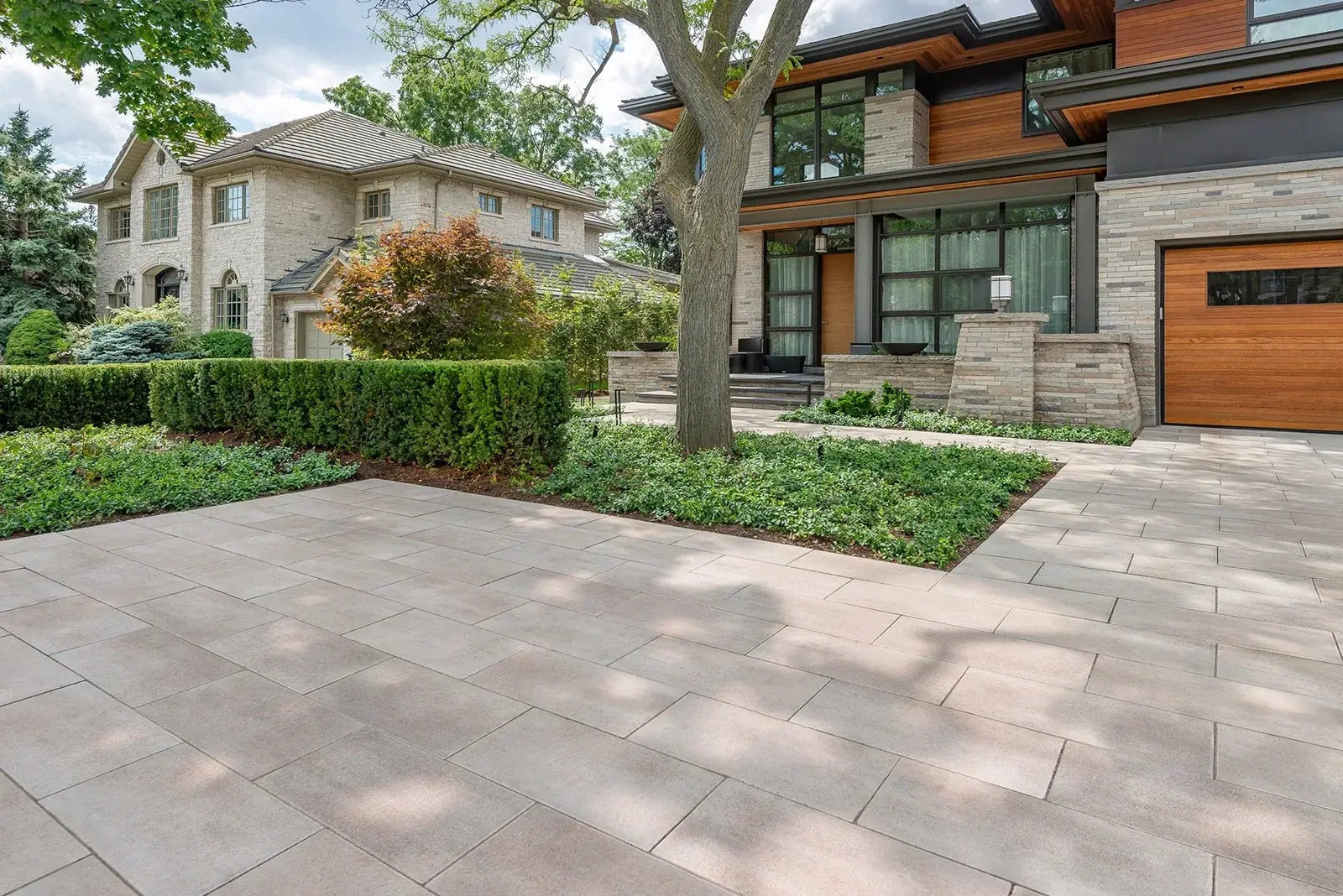
A well-maintained asphalt driveway typically lasts 15 to 20 years before needing a full mill-and-overlay resurfacing. Quality interlocking pavers regularly last 30 to 50 years because individual stones flex with ground movement instead of cracking. Real estate agents consistently note that custom stone pavers add immediate upscale curb appeal, whereas clean blacktop simply checks the box for tidy, functional parking.
Winter snow removal and drainage
Shoveling snow off smooth asphalt is effortless because your shovel blade glides right over the flat surface without catching on edges. Plowing or shoveling pavers requires plastic-tipped blades so you don’t chip stone corners or scrape out joint sand. On the flip side, permeable paver systems let melting snow and heavy rain drain straight into the gravel base rather than pooling near your garage door.
Edge restraint integrity
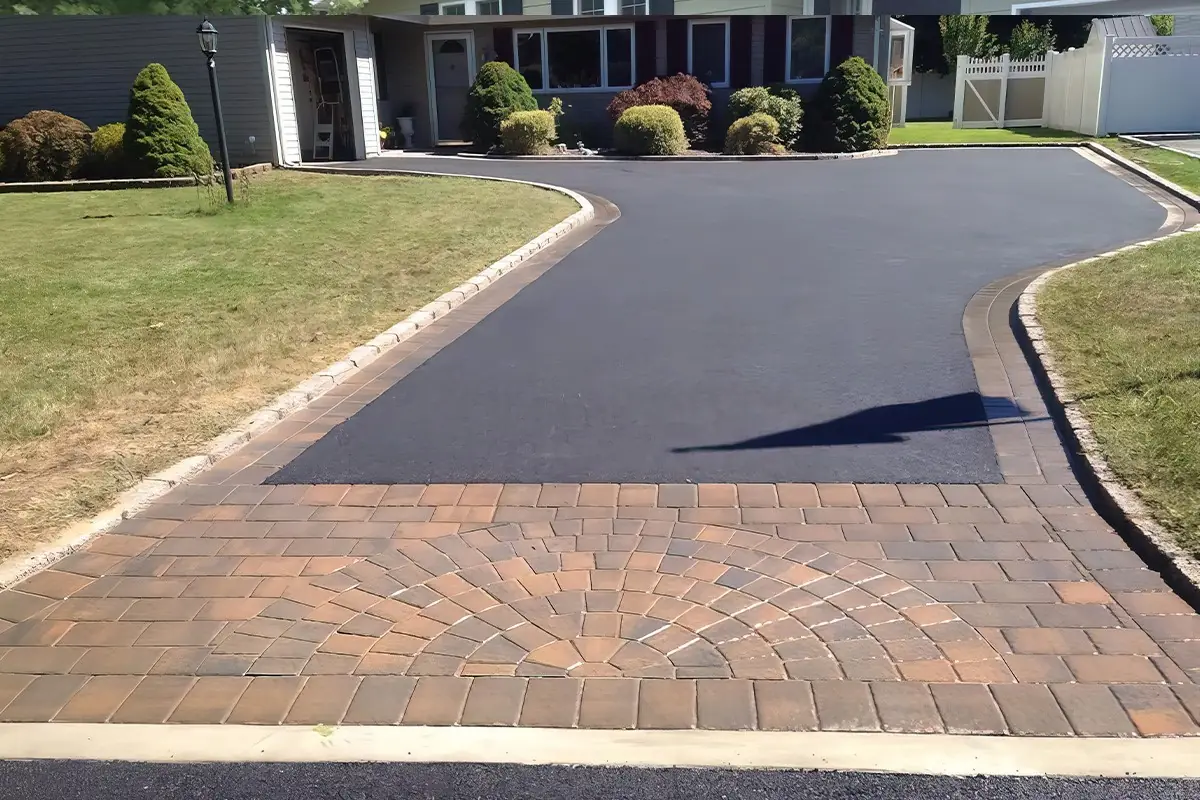
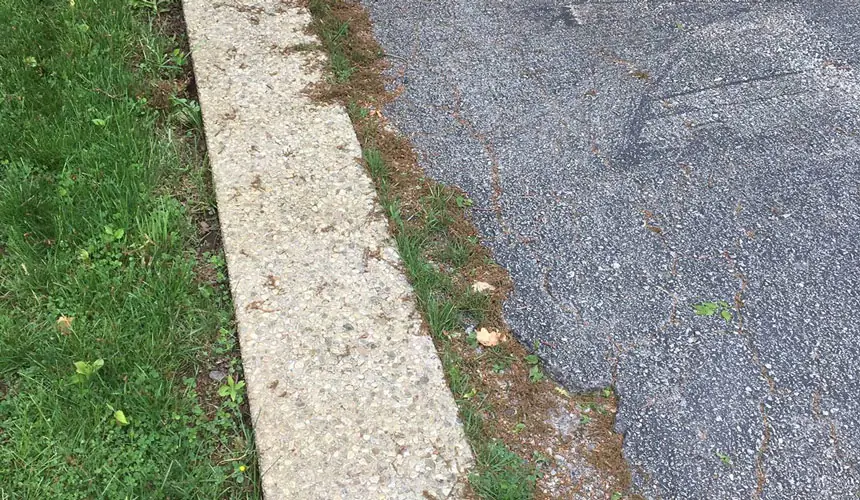
Asphalt edges crumble quickly if cars repeatedly drive off the side onto soft lawn turf, so adding Belgium block or concrete curbing helps lock the perimeter. Paver driveways rely entirely on hidden commercial-grade plastic or aluminum edge restraints spiked into the gravel base every twelve inches. If an installer skimps on edge spikes, your outer paver rows will gradually spread apart under vehicle weight.
Comprehensive yard drainage planning
Regrading a driveway often changes how rainwater flows toward your side yard, retaining walls, and gate posts. Reading detailed fence company reviews can connect you with experienced exterior contractors who understand how proper yard grading prevents water pooling and frost heave across your entire property. Addressing drainage during excavation prevents costly foundation and hardscape damage later.
Frequently Asked Questions
Which is better in driveway pavers vs asphalt for long driveways?
Asphalt is usually the smarter choice for long driveways over 1,000 square feet because its lower per-square-foot price saves tens of thousands of dollars upfront. Pavers work best for shorter suburban driveways where curb appeal and custom patterns justify the higher labor cost.
How long does an asphalt driveway last compared to pavers?
A properly installed asphalt driveway lasts 15 to 20 years with routine sealcoating every few years, while interlocking pavers last 30 to 50 years. Pavers outlast blacktop largely because damaged stones can be replaced individually without tearing up the whole surface.
Can you lay pavers directly over an old asphalt driveway?
Yes, contractors can sometimes install thin overlay pavers over existing asphalt if the old base is completely stable, flat, and free of severe drainage issues. However, if the asphalt is heaving or badly cracked, ripping it out to build a fresh gravel base is mandatory.
Does asphalt melt or soften in hot weather?
Freshly paved asphalt stays soft for several months and can scuff easily if you turn your steering wheel while parked on a hot day. Even cured blacktop softens slightly in extreme heat, so placing plywood under heavy boat trailers or kickstands prevents dents.
Conclusion
Settling the driveway pavers vs asphalt debate comes down to balancing your upfront renovation budget against long-term durability and curb appeal. Asphalt delivers fast installation, easy snow shoveling, and unbeatable affordability, while pavers offer unmatched longevity, effortless spot repairs, and upscale visual character. Measure your driveway square footage, request three itemized bids that specify exact gravel base depths, and book your local contractor consultation today.