Driveway and Paving: Costs, Options & Expert Guide
Planning a new driveway and paving project is one of the most significant exterior investments you can make to upgrade your home curb appeal. I spent years dealing with cracked asphalt and sinking gravel before realizing that proper sub-base preparation matters far more than the surface material you choose. When you start comparing different driveway and paving methods, you quickly notice that upfront estimates rarely reflect long term durability or maintenance costs.
Driveway And Paving — Overview
Key facts to know first
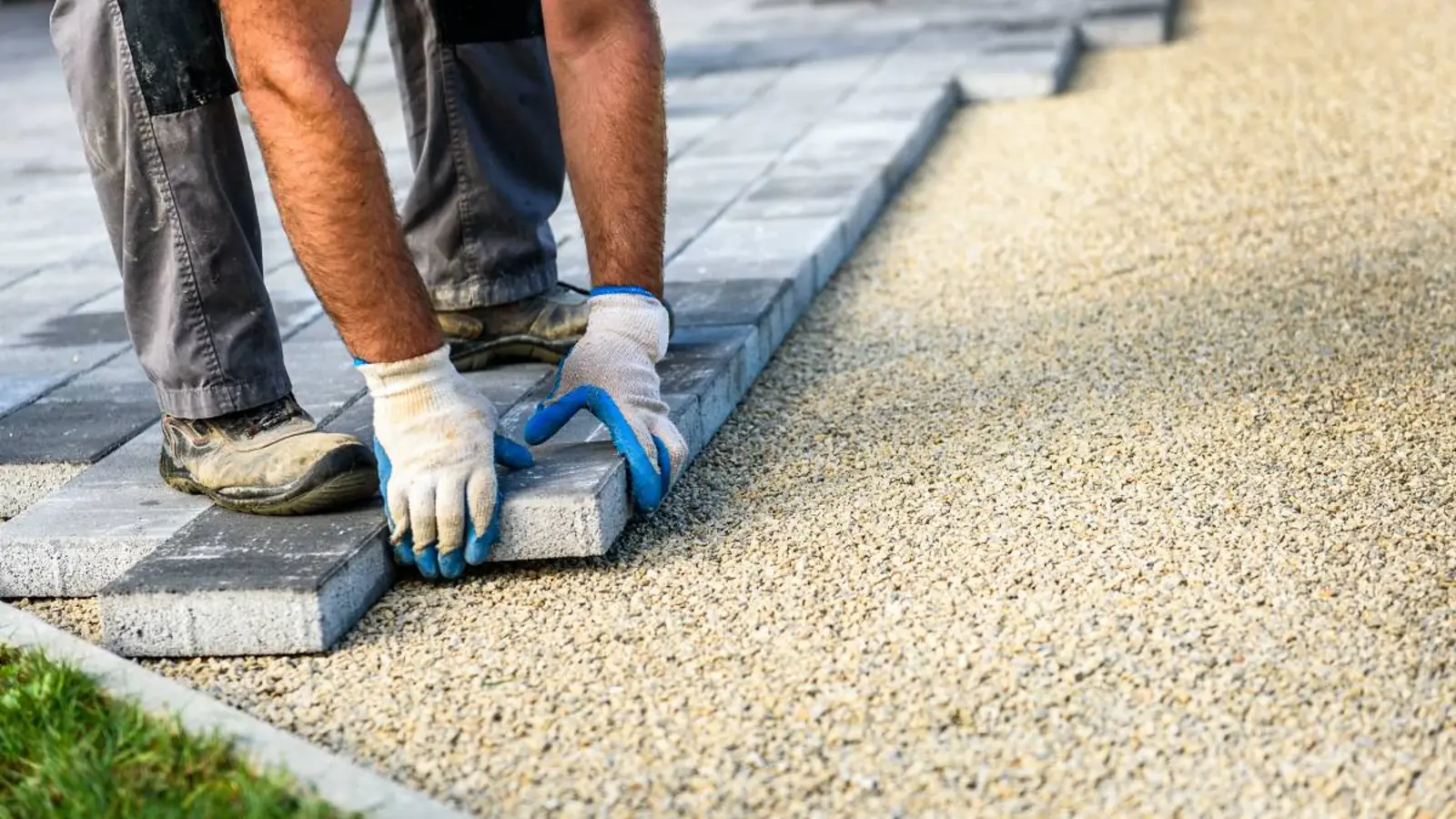
A successful driveway and paving project requires balancing local climate conditions, vehicle weight loads, and soil composition. Major paving contractors usually separate installations into flexible asphalt surfaces and rigid concrete or interlocking stone systems. When you evaluate your property layout, look closely at drainage slopes and sub-base aggregate thickness rather than just the final color.
What most people get wrong
Homeowners often assume that pouring a thicker top layer will automatically fix poor drainage or a shifting sub-base. In reality, water pooling and freeze-thaw cycles destroy pavement from the bottom up if the gravel foundation lacks proper compaction. You cannot bypass structural ground prep without facing premature cracking and settling within a few seasons.
Checking installation standards
Reputable contractors follow strict guidelines established by organizations like the National Asphalt Pavement Association to ensure proper compaction and binder ratios. If an installation crew skips critical grading steps to finish the job faster, your new pavement will develop ruts under heavy car tires. Understanding these technical standards protects you from hiring inexperienced operators.
Sourcing contractor recommendations
Professional installers often prefer specific materials because local suppliers stock matching replacement units easily. If your contractor suggests an unusual paving product, ask them how they handle repairs when materials get discontinued. You can read detailed contractor experiences and fence contractor reviews to see which local trade teams show up on time and stand behind their workmanship.
Material Options and Performance Comparisons
Asphalt vs concrete durability
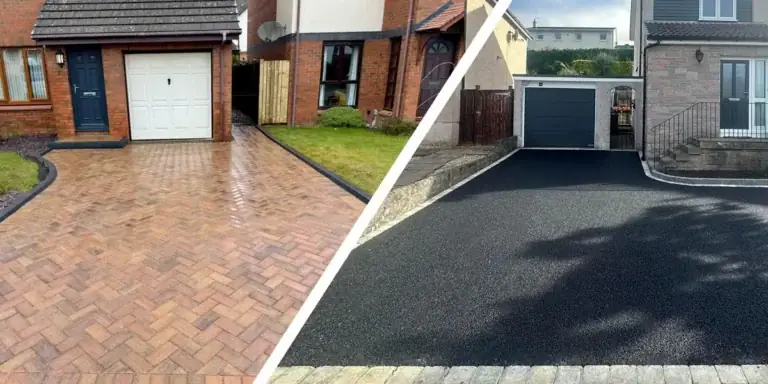
Asphalt surfaces offer flexibility that accommodates minor ground movement during seasonal temperature shifts, though they require routine sealcoating. Concrete slabs provide a rigid parking pad that lasts for decades when poured with proper steel wire reinforcement and control joints. Weighing these characteristics helps you match the material to your local weather patterns.
Paver systems and maintenance
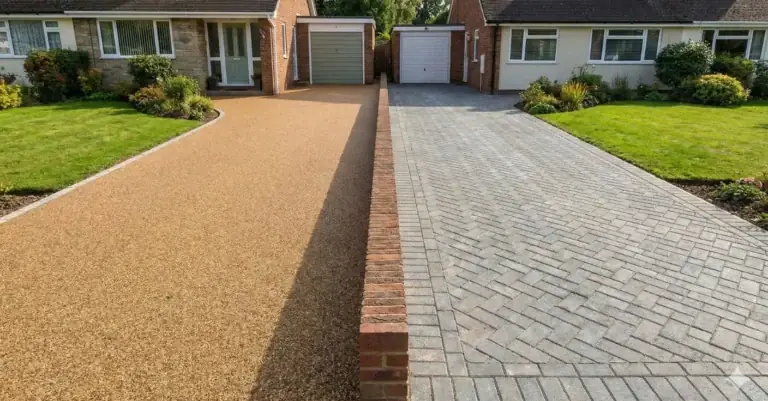
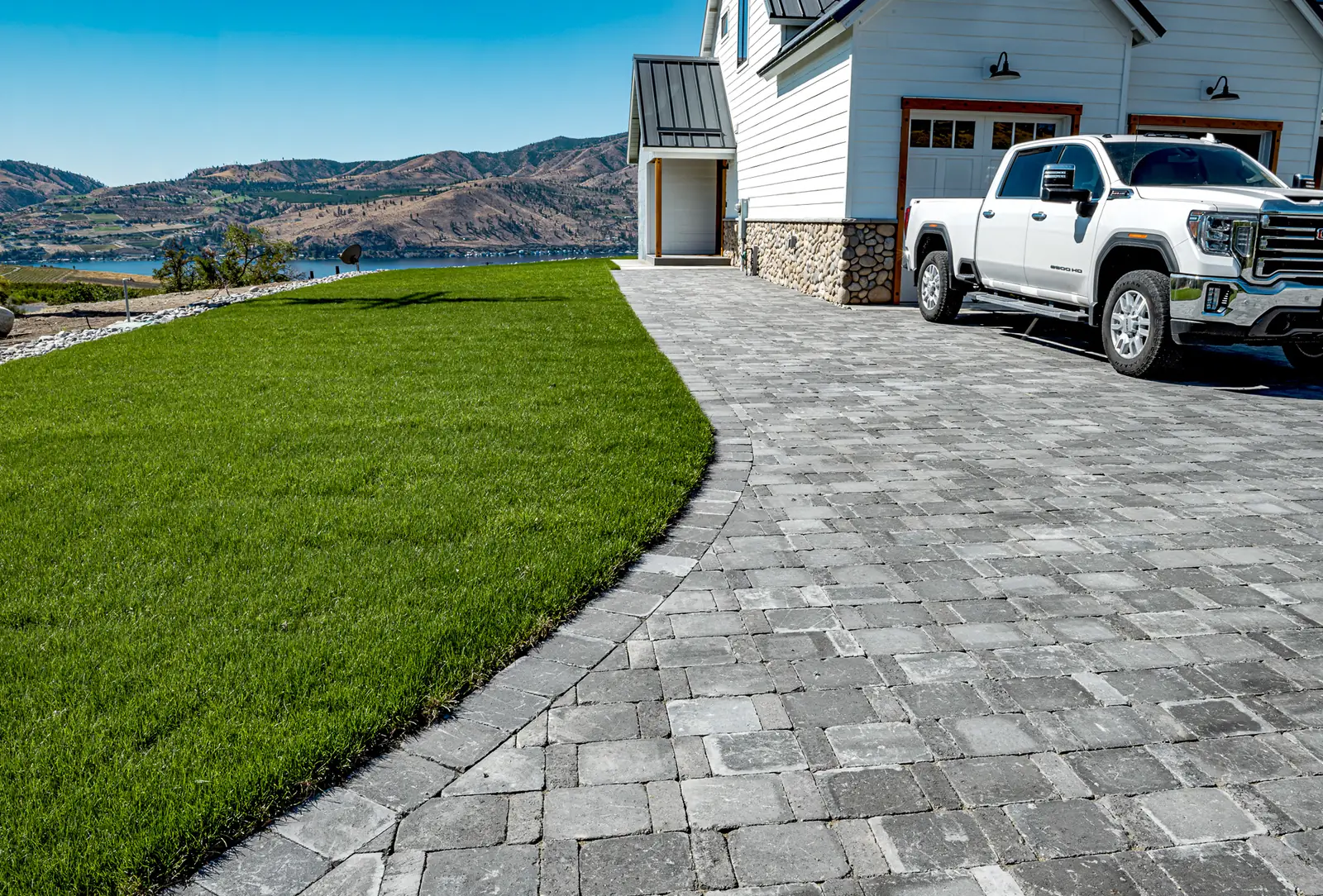
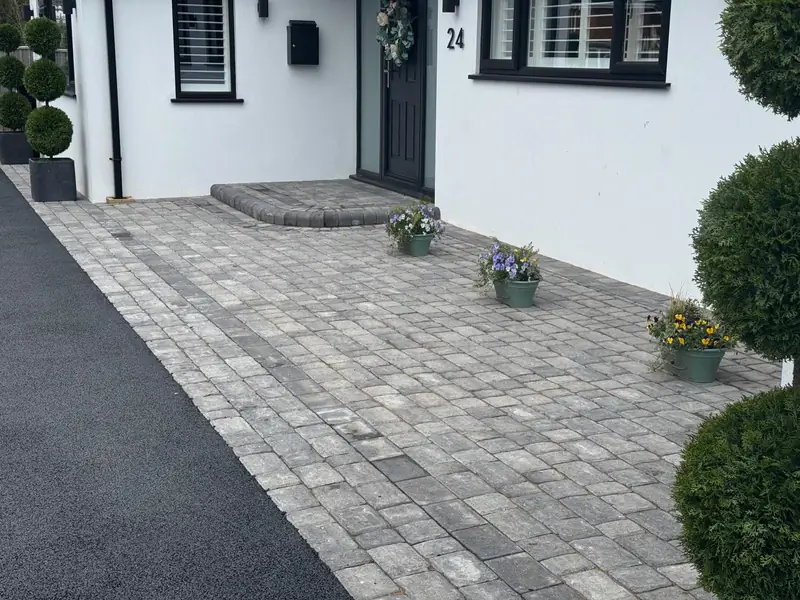
Interlocking concrete pavers deliver unmatched aesthetic versatility and allow individual units to shift without cracking the entire driveway structure. However, paver joints require periodic sweeping with polymeric sand to block weed growth and ant hills. Calculating your willingness to perform minor seasonal upkeep is essential before committing to modular stone.
Surface traction performance
Textured paving surfaces provide reliable tire grip during heavy rainstorms and winter snowfalls to prevent dangerous sliding. Smooth finished concrete can become slick when wet, though professional broom finishes add necessary slip resistance for walking paths. Evaluating local safety conditions ensures your parking area remains secure for family and guests.
Color retention factors
Cheaper paving compounds fade unevenly when exposed to intense ultraviolet sunlight over multiple consecutive years. Top manufacturers integrate specialized UV inhibitors into their resin and pigment mixtures to prevent premature color fading. Reading honest fence company reviews helps you see how specific material brands hold up after five or ten years in real neighborhoods.
Budgeting and Long Term Upkeep
Initial investment expenses
Poured asphalt and standard concrete typically cost less per square foot upfront than decorative interlocking stone pavers. Paver installation demands intensive manual labor, precise hand-cutting, and specialized leveling tools that increase initial project bids. Balancing your immediate renovation budget with your long term property equity goals clarifies your final decision.
Maximizing return on investment
A professionally installed and well-maintained driveway dramatically boosts property value if you plan on selling your home soon. Routine maintenance like crack filling and timely sealing also protects your capital investment by preventing minor blemishes from turning into expensive structural failures.
Maintenance scheduling tips
Mark your calendar to inspect your driveway for hairline cracks every spring after winter snowplows finish their seasonal runs. Filling cracks promptly with rubberized cold pour prevents water from reaching the sub-base and freezing during sudden temperature drops. Establishing a regular upkeep habit saves you from emergency reconstruction bills down the road.
Quality standards to watch
Reputable paving contractors always compact sub-base gravel thoroughly using heavy steam rollers before laying any paving materials. If a crew skips compaction to save time, your new driveway will develop ruts within the first warm summer season. Consulting the best fence brands guide provides additional context on how quality manufacturing standards apply across all exterior home improvement products.
Frequently Asked Questions
Which driveway and paving material lasts the longest?
Interlocking concrete pavers and properly reinforced concrete slabs generally outlast standard asphalt, providing thirty or more years of service. However, all materials require correct sub-base installation to reach their maximum potential lifespan.
How often should I seal my asphalt driveway?
Most residential asphalt driveways benefit from professional sealcoating every two to three years depending on climate severity and vehicle traffic volume. Avoid sealing too frequently because excess buildup causes unsightly peeling and flaking under tire friction.
Can I pave a new driveway over my existing surface?
Overlaying is sometimes possible if the current sub-base remains completely stable and cracks are minor, but severe potholes require complete excavation. A professional contractor must inspect the site to determine whether an overlay will hold up over time.
How do I prevent weeds from growing in paver joints?
Sweeping specialized polymeric sand into dry paver joints and activating it with clean water creates a rigid barrier that blocks weed growth. Reapplying polymeric sand every few years keeps your paved surface looking neat and professional.
Conclusion
Navigating a driveway and paving project requires an honest assessment of your local climate, budget constraints, and maintenance willingness. Taking time to evaluate sub-base stability and contractor credentials prevents costly mistakes and protects your property investment for decades. If you are ready to transform your property exterior, contact a trusted local paving specialist to discuss product availability and schedule your project estimate today.