Driveway Pavers vs Concrete: Cost, Durability & Pros
Deciding between driveway pavers vs concrete is a massive project that every homeowner faces when old pavement starts cracking beyond simple repair. I spent weeks talking to local mason crews and reviewing project bids before realizing that initial price tags never tell the whole story. When you look closely at driveway pavers vs concrete, you have to weigh installation complexity, long-term durability, and your personal design goals against your budget.
Driveway Pavers Vs Concrete — Overview
Key facts to know first
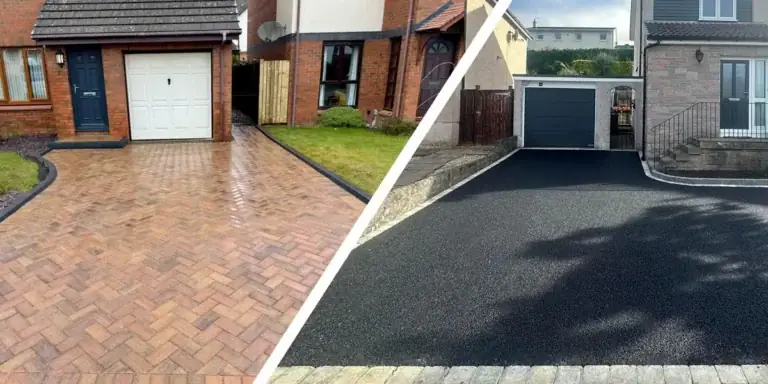
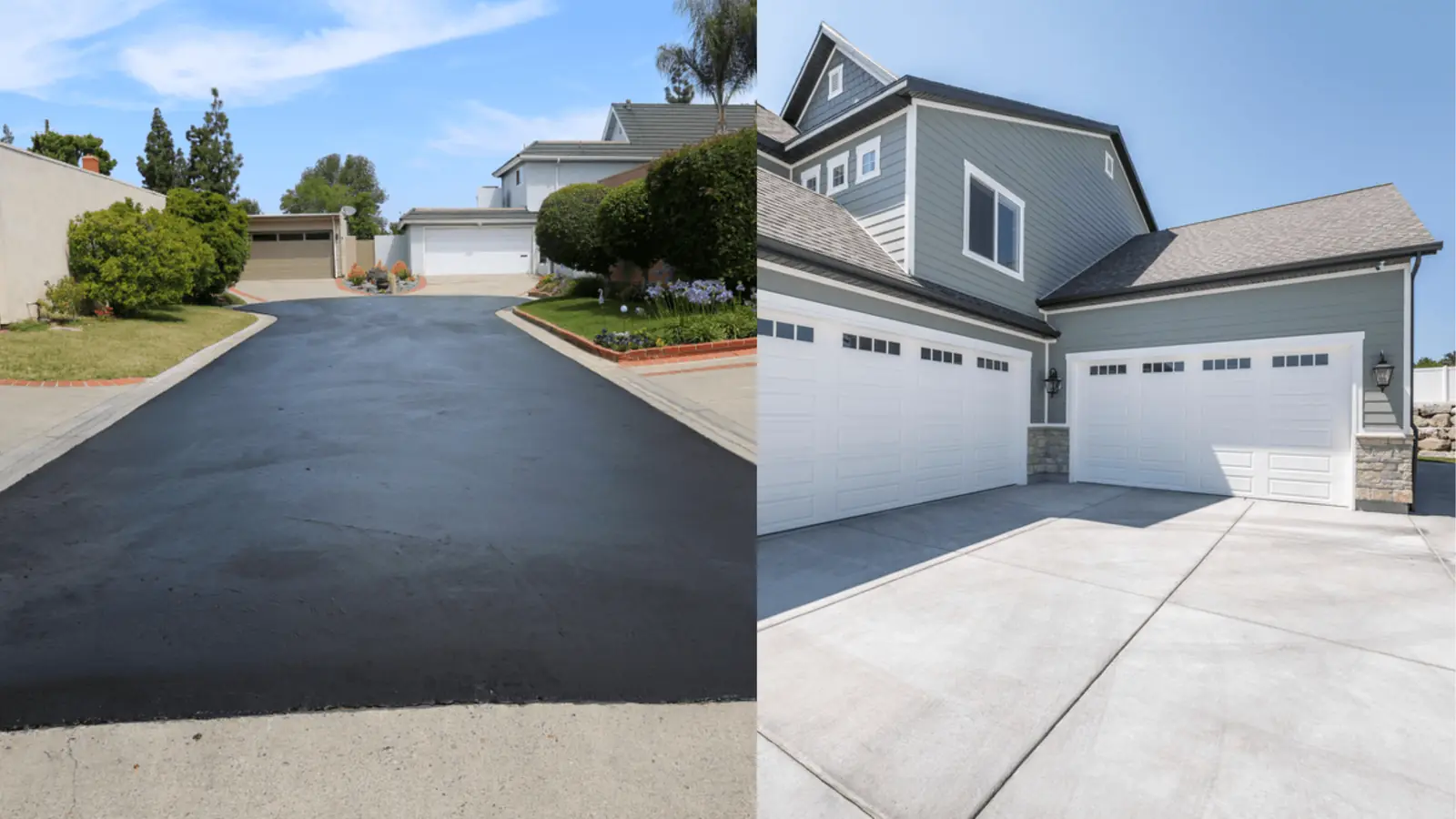
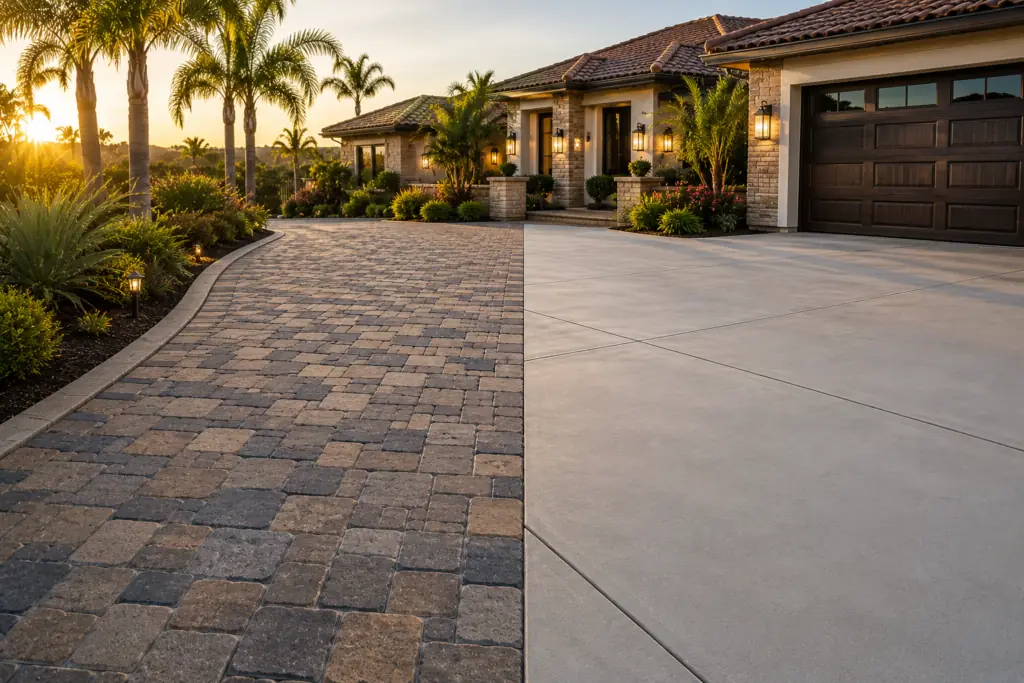
Driveway pavers vs concrete comparisons pit modular interlocking stone units against poured monolithic slabs, each requiring totally different base preparation. Concrete slabs use a single poured mixture reinforced with steel mesh or rebar, while pavers consist of individual concrete, brick, or natural stone units set over compacted aggregate and bedding sand. Understanding these structural differences helps you anticipate how each surface will handle heavy vehicle loads and winter temperature swings.
What most people get wrong
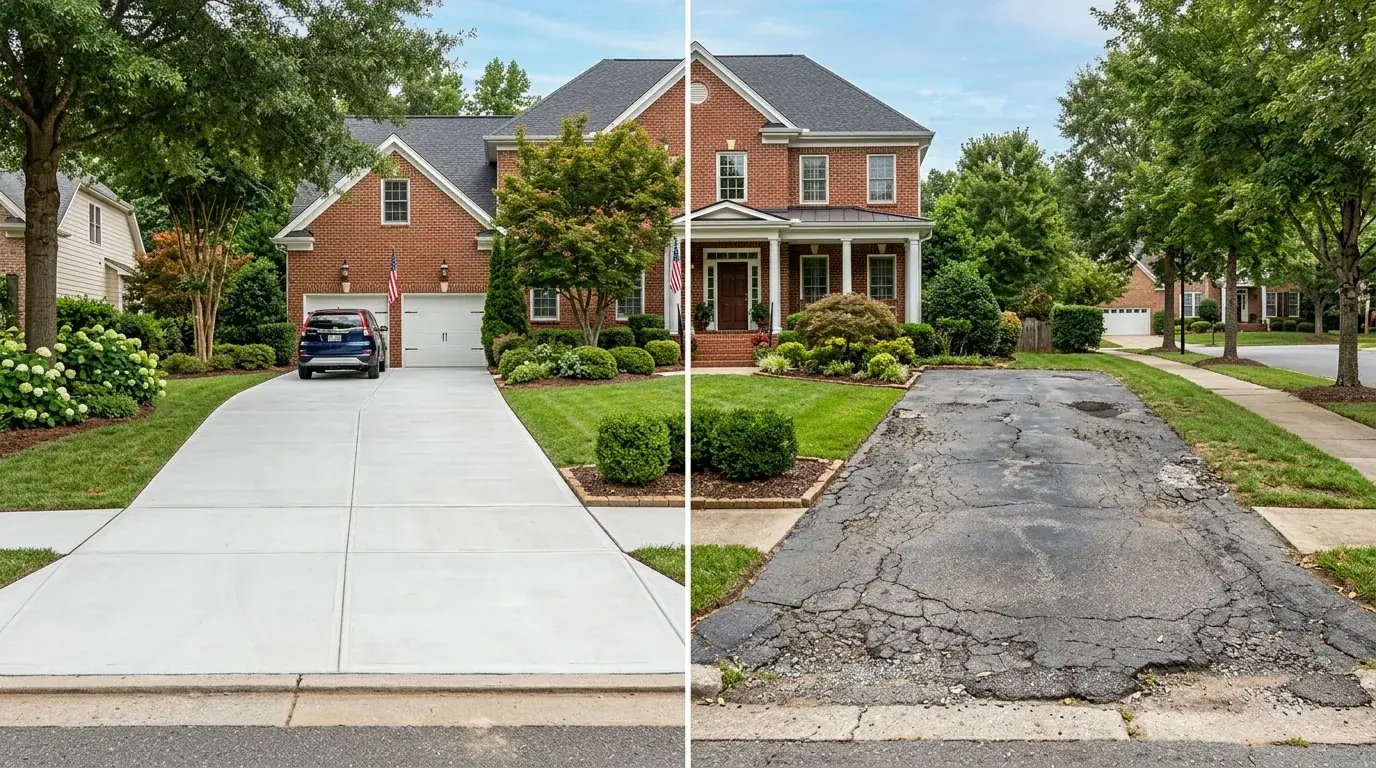
Homeowners often assume that poured concrete is completely maintenance-free and will never shift over time. In reality, concrete slabs crack inevitably as the ground shifts underneath them, and fixing those cracks requires expensive breaking and repaving. You cannot treat either material as a permanent, zero-maintenance installation without planning for future upkeep.
Sub-base preparation standards
Both materials demand meticulous excavation and heavy mechanical compaction of sub-base gravel to prevent sinking and ruts under car tires. The Interlocking Concrete Pavement Institute emphasizes that proper aggregate thickness and edge restraint design dictate eighty percent of a paved surface lifespan. If a contractor rushes the sub-base work, even premium stone units will begin to ripple within a couple of years.
Contractor evaluation steps
Hiring a reliable installation crew requires checking local licensing, insurance certificates, and verifiable customer references before signing any agreements. You can read honest contractor experiences and fence contractor reviews to see how dependable exterior trade professionals handle scheduling and quality control on real residential jobs. Taking time to vet your installer protects your investment from costly remediation down the road.
Cost Breakdown and Financial Planning
Initial installation expenses
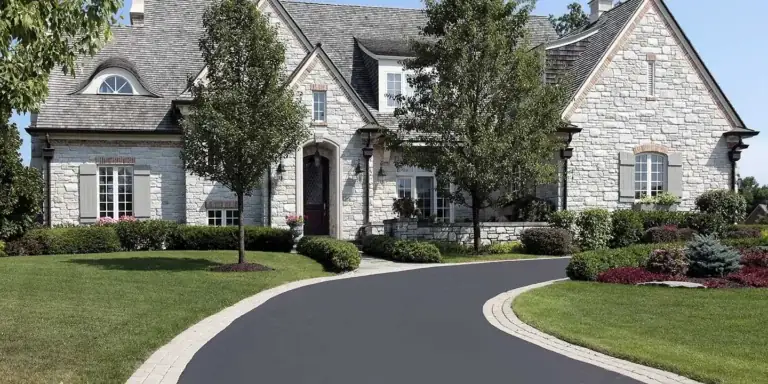
Poured concrete typically costs less per square foot upfront than interlocking stone pavers because the installation process demands fewer man-hours. Paver installation commands a higher initial price tag because masons must lay, cut, and level every single stone by hand. Weighing these immediate expenses against your home equity goals clarifies your purchasing decision.
Long term maintenance costs
Poured concrete rarely needs resurfacing, but repairing severe structural cracks or settling slabs involves expensive mudjacking or total demolition. Interlocking pavers require periodic joint sand replenishment and occasional weed removal, but individual damaged stones pop out and replace easily without patchwork scars. Calculating these recurring maintenance expenses over a twenty-year span reveals the true cost of ownership.
Regional climate impacts
Freeze-thaw cycles in northern states test the limits of rigid concrete joints and flexible paver joints alike. If you live in an area that uses heavy chemical de-icers during winter storms, high-density concrete pavers resist surface scaling much better than untreated poured slabs. Matching your material choice to your local weather patterns prevents premature surface failure.
Material aesthetic factors
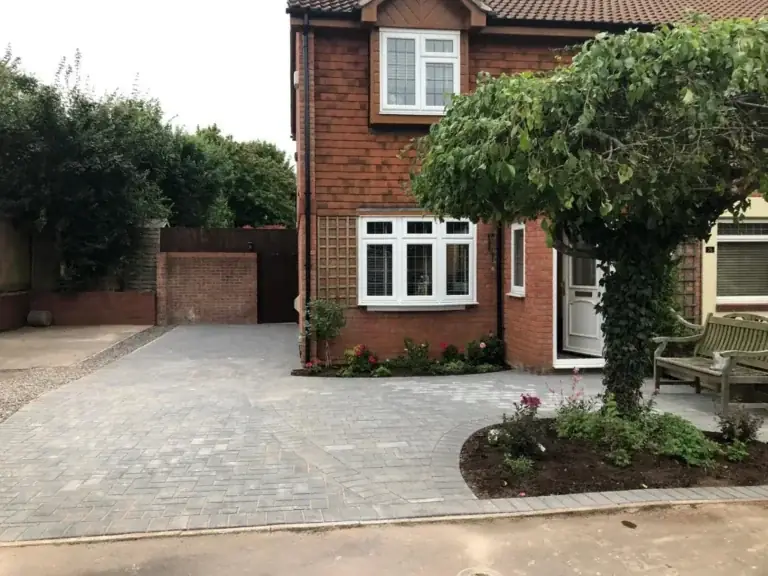
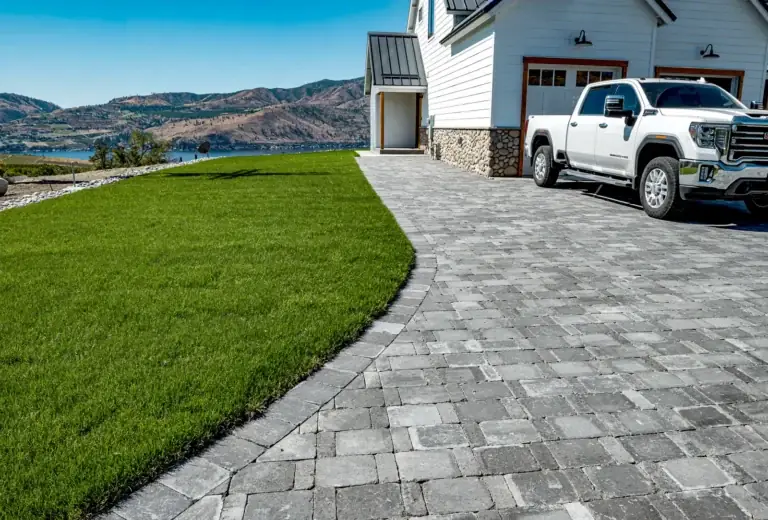
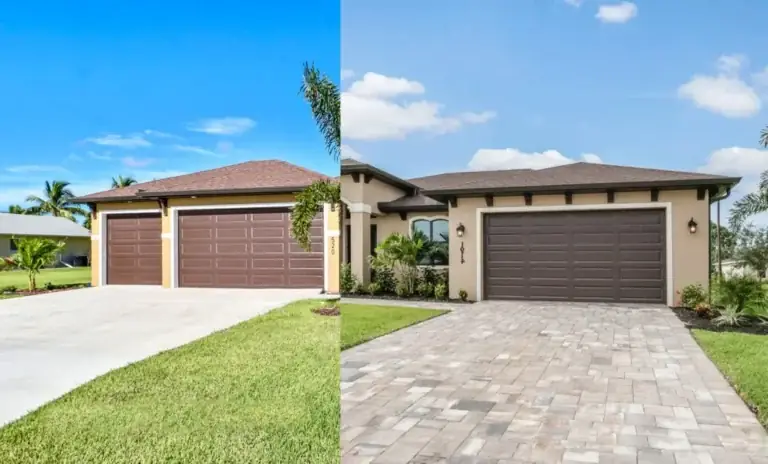
Pavers offer versatile patterns, tumbled textures, and rich color blends that elevate your property curb appeal significantly. Poured concrete provides a clean, uniform finish that complements traditional home exteriors, though stamping options add decorative flair. You can consult best fence brands guides and exterior design resources to see how different surface textures coordinate with your fencing and landscaping.
Durability and Lifespan Factors
Lifespan expectations
A professionally installed and maintained interlocking paver driveway typically lasts for thirty to fifty years without major structural failure. Poured concrete driveways often endure for thirty years when contractors pour them with proper reinforcing wire mesh and control joints. Longevity makes both materials appealing long term investments for homeowners planning to stay put for decades.
Repair complexity
Fixing a sunken spot in a paver driveway involves lifting the affected stones, adding fresh bedding sand, and compacting the area back to grade. Repairing a severely damaged concrete slab requires breaking out the entire section and pouring a brand new mix, which disrupts vehicle access for days. Knowing how each material fails helps you prepare for future upkeep.
Surface traction performance
Interlocking paver joints provide natural drainage paths that reduce standing water puddles during heavy rainstorms and winter snowfalls. Smooth finished concrete can become slick when wet, though broom finishes add necessary slip resistance for walking paths and parking areas. Evaluating local safety conditions ensures your new driveway remains secure for family and guests.
Drainage and slope design
Proper grading prevents standing water from pooling near your foundation or freezing into dangerous ice patches during winter months. Experienced paving contractors use laser levels to establish precise runoff slopes away from garage doors and walkways. Reading detailed fence company reviews can also connect you with multi-trade contractors who understand comprehensive yard drainage planning.
Frequently Asked Questions
Which option lasts longer, pavers or concrete?
Interlocking pavers generally outlast poured concrete because individual units flex naturally with ground movement instead of cracking. Pavers easily provide thirty to fifty years of service when maintained properly.
Are pavers significantly more expensive than concrete?
Pavers usually cost thirty to fifty percent more than standard poured concrete due to the labor-intensive hand installation process. However, their superior longevity and easy spot-repair capability offset the higher upfront investment over time.
Can I install driveway pavers myself over a weekend?
DIY installation is possible for small parking pads, but a full driveway requires heavy excavation equipment, precise grading, and professional compaction tools. Professional installation ensures your sub-base will not fail under heavy vehicle traffic.
How do I stop weeds from growing between pavers?
Sweeping specialized polymeric sand into the dry joints and activating it with water creates a rigid barrier that blocks weed growth and ant hills. Reapplying polymeric sand every few years keeps your paver surface looking pristine.
Conclusion
Choosing between driveway pavers vs concrete depends heavily on your immediate budget, aesthetic preferences, and long term property plans. Poured concrete delivers upfront affordability and a clean look, while interlocking pavers provide unmatched longevity and easy repair options. Take time to evaluate your sub-base conditions, talk with qualified local contractors, and schedule your project estimate today.