Is a Paver Driveway Better Than Concrete? An Honest Comparison for Homeowners
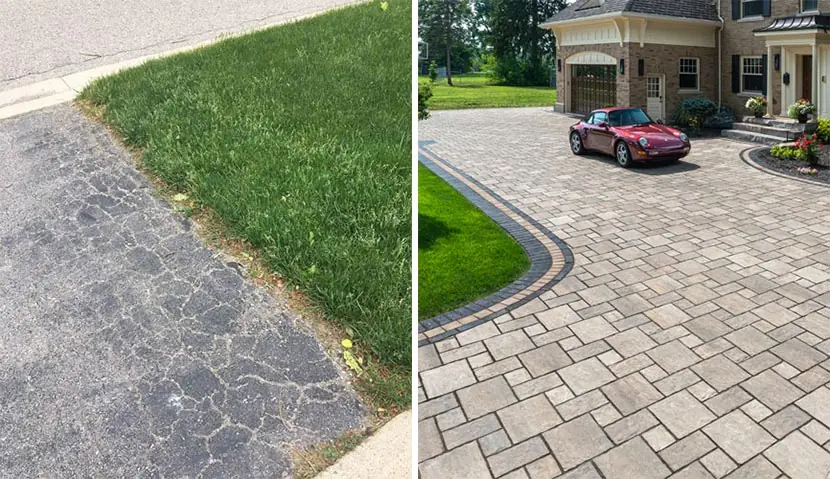
Asking whether is a paver driveway better than concrete is the exact debate my neighbor and I had last spring while staring at the giant spiderweb cracks splitting his poured slab. I’ve seen both materials hold up beautifully and fail miserably over the years, depending entirely on soil prep and local winters. Before you sign a five-figure contract, let’s look closely at how is a paver driveway better than concrete in real-world durability, repair costs, and daily upkeep.
Is A Paver Driveway Better Than Concrete — Overview
Key facts to know first
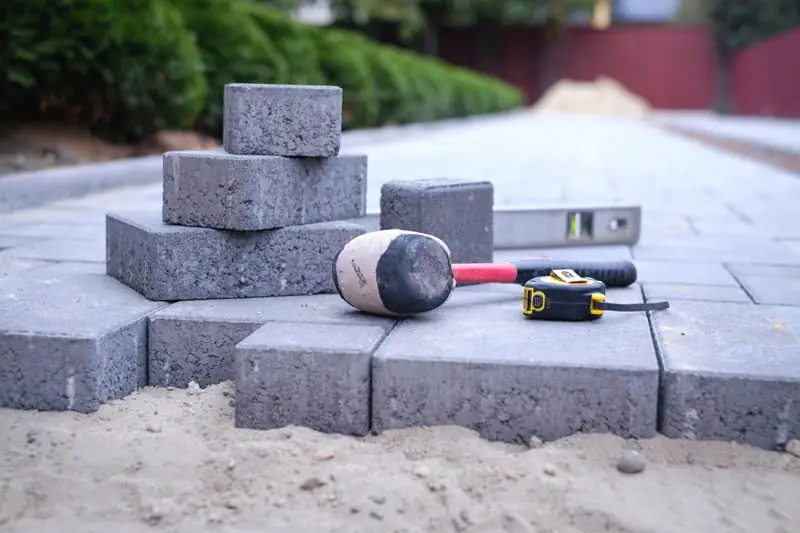
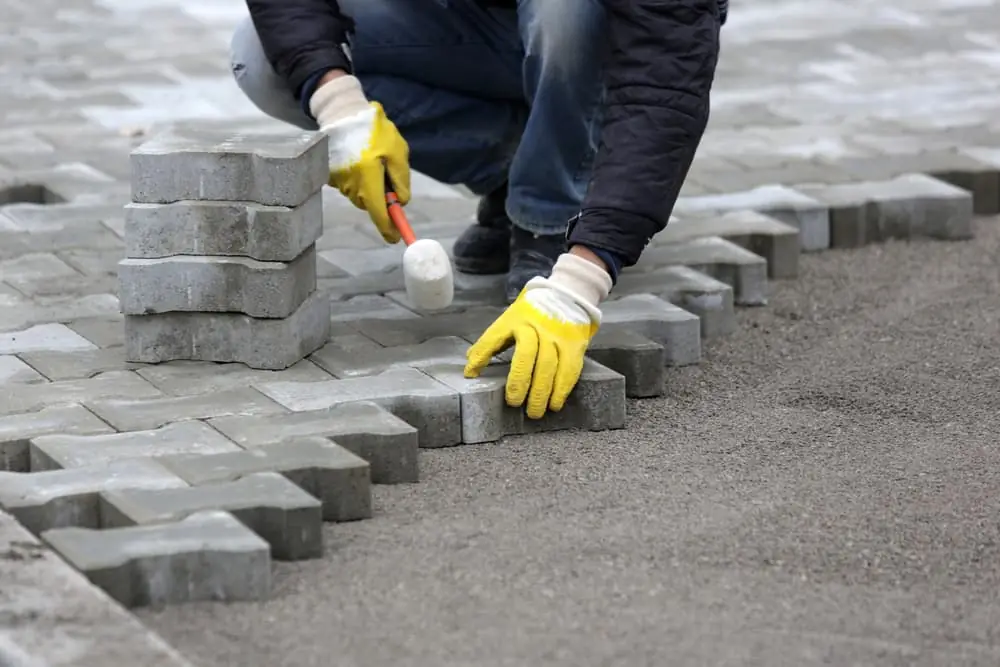
Determining whether is a paver driveway better than concrete starts with understanding how each system handles weight and ground movement. Poured concrete creates a single rigid slab reinforced with steel wire mesh or rebar, while pavers form an interlocking grid of individual stones over compacted gravel and bedding sand. Because pavers have thousands of tiny joints, they flex with seasonal soil shifts instead of snapping under pressure.
What most people get wrong
Many buyers assume that poured concrete is stronger simply because it’s one solid piece of rock. In reality, rigid slabs crack inevitably when tree roots push upward or frost heaves the soil underneath, leaving permanent scars you can’t easily hide. Meanwhile, people worry that individual pavers will sink like stepping stones in mud, which only happens when an installer skips proper base compaction.
Checking base depth standards
According to technical guidelines from the Interlocking Concrete Pavement Institute, residential driveways require at least six to eight inches of compacted crushed stone aggregate beneath the bedding sand. If a contractor skimps on excavation depth to save on dump fees, both concrete and pavers will settle unevenly within two winters. Always verify the exact gravel depth written in your contract before work begins.
Sourcing contractor recommendations
Finding an installer who respects proper excavation standards matters far more than the stone color you pick out of a catalog. You can check local trade feedback and fence contractor reviews to see how reputable exterior crews manage job sites, stick to schedules, and honor their workmanship guarantees. A thorough vetting process saves you from expensive structural headaches later.
Cost Breakdown and Long-Term Maintenance
Upfront pricing vs lifetime value
Standard broom-finished concrete typically runs $8 to $15 per square foot installed, making it the clear winner for tight renovation budgets. Interlocking concrete pavers usually cost $15 to $30 per square foot because crews must hand-lay, cut, and plate-compact every single stone. While pavers cost roughly double upfront, they rarely require full replacement, whereas a badly cracked concrete driveway eventually needs total demolition.
Repair complexity and upkeep
Fixing a sunken tire rut in a paver driveway takes an afternoon of lifting the affected stones, re-leveling the sand bed, and dropping the exact same pavers back in place. Repairing a settled concrete slab requires noisy jackhammering and pouring a fresh patch that never matches the surrounding gray color. For ongoing upkeep, here is what each surface actually demands:
-
Paver maintenance: Re-sweeping polymeric sand into the joints every three to five years to block weeds and ants, plus occasional pressure washing.
-
Concrete maintenance: Applying a penetrating silane-siloxane sealer every two to three years to stop water absorption and winter salt pitting.
-
Stain removal: Oil leaks on pavers simply mean swapping out three or four stained blocks, while oil on concrete requires harsh chemical degreasers.
Winter salt and freeze-thaw resistance
De-icing salts wreak havoc on standard poured concrete by seeping into surface pores and flaking off the top layer during freeze-thaw cycles. High-density manufactured pavers are cured under intense pressure and vibration, giving them far higher compressive strength and resistance to winter chemical damage. If you live in a heavy snow belt, pavers handle harsh winters much more gracefully.
Coordinating exterior materials
Your driveway takes up a massive visual footprint in front of your house, so its texture should match your fencing, walkways, and siding. Checking out best fence brands and hardscape pairing guides helps you choose stone tones that complement wood or vinyl perimeter fencing rather than clashing with them. Thoughtful material coordination instantly makes an older property look custom-built.
Curb Appeal, Traction, and Drainage
Resale impact and aesthetics
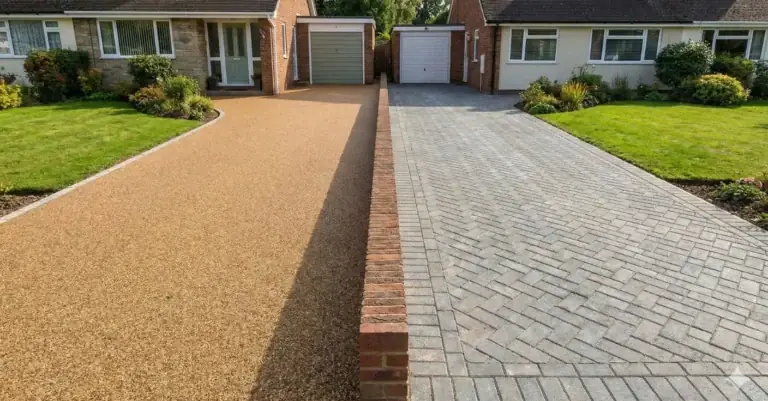
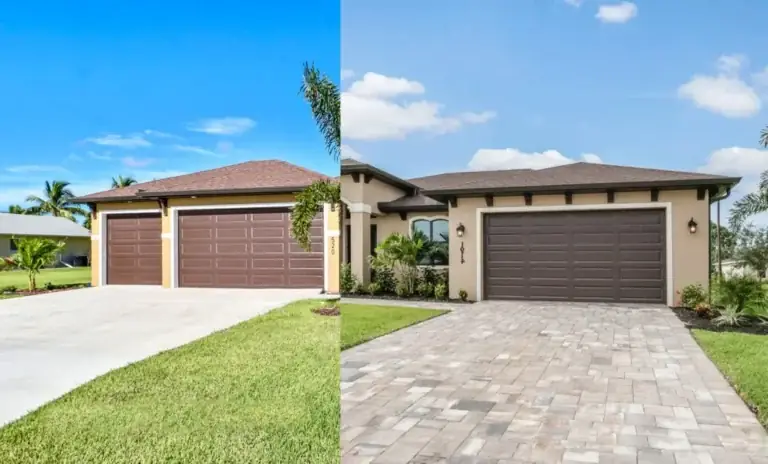
Real estate appraisers consistently note that clean, crack-free hardscaping boosts buyer confidence during exterior walkthroughs. Pavers offer tumbled textures, herringbone patterns, and warm earthy color blends that make a home stand out on the block. Plain gray concrete looks tidy when brand new, though stamped concrete options can mimic stone if you’re willing to pay mid-tier prices and commit to regular resealing.
Surface safety and water runoff
Smooth troweled concrete turns into an ice rink during freezing drizzle, which is why contractors always drag a stiff broom across fresh slabs for grip. Textured pavers naturally provide superior tire and foot traction year-round, even on steep sloped driveways. Better yet, permeable paver systems let rainwater drain right through the joints into the gravel base instead of flooding your garage apron.
Edge restraint integrity
A paver driveway is only as strong as the hidden plastic, aluminum, or concrete edge restraints spiked along its perimeter. Without rigid edging holding the outer rows tight, heavy SUV tires will gradually push the stones outward and open wide gaps down the middle. Make sure your bid specifically includes commercial-grade edge restraints anchored every twelve inches.
Multi-trade site planning
Grading a new driveway often affects adjacent lawn slopes, retaining walls, and gate clearances along your property line. Reading detailed fence company reviews can connect you with experienced exterior contractors who understand how proper yard drainage protects both your hardscaping and nearby fence posts from frost heave. Planning these exterior elements together prevents costly rework.
Frequently Asked Questions
Is a paver driveway better than concrete for cold climates?
Yes, interlocking pavers perform better in freezing climates because their sand-filled joints flex with frost heave instead of cracking. Manufactured pavers also resist pitting from winter de-icing salts far better than standard poured concrete slabs.
How long does a paver driveway last compared to concrete?
A properly installed paver driveway lasts 30 to 50 years with routine joint sand maintenance, while poured concrete typically lasts 25 to 30 years before major cracking occurs. Pavers also allow easy spot repairs that extend their usable life indefinitely.
Do weeds always grow between driveway pavers?
Weeds only become a problem if installers use regular play sand instead of polymeric sand or if you let dirt accumulate in the joints for years. Re-applying polymeric sand every three to five years creates a hard, water-activated barrier that stops weeds from taking root.
Can heavy delivery trucks crack driveway pavers?
Standard 60mm residential pavers easily support passenger cars, SUVs, and occasional delivery trucks without cracking, provided the contractor compacted at least six inches of crushed gravel underneath. For heavy RVs or dump trucks, upgrading to 80mm commercial pavers prevents any stone breakage.
Conclusion
Deciding whether is a paver driveway better than concrete comes down to balancing your upfront budget against long-term durability and easy spot repairs. Concrete wins on initial affordability and quick installation, while pavers deliver superior freeze-thaw resilience, rich curb appeal, and decades of crack-free service. Measure your driveway square footage, gather at least three itemized bids from licensed local contractors, and choose the surface that fits your property goals today.