Siding Installation Cost Guide: Full 2026 Pricing
Knowing the true siding installation cost before calling exterior contractors keeps you from getting blindsided by vague lump-sum quotes. Last autumn, I reviewed four bids for a 2,150-square-foot colonial in Ohio, and the numbers swung from $13,200 to $26,800 simply because two crews omitted tear-off fees and custom window trim. Most homeowners spend between $11,500 and $28,500 for a complete exterior re-siding project in 2026, depending on cladding material and wall condition.
How Much Siding Installation Costs in 2026
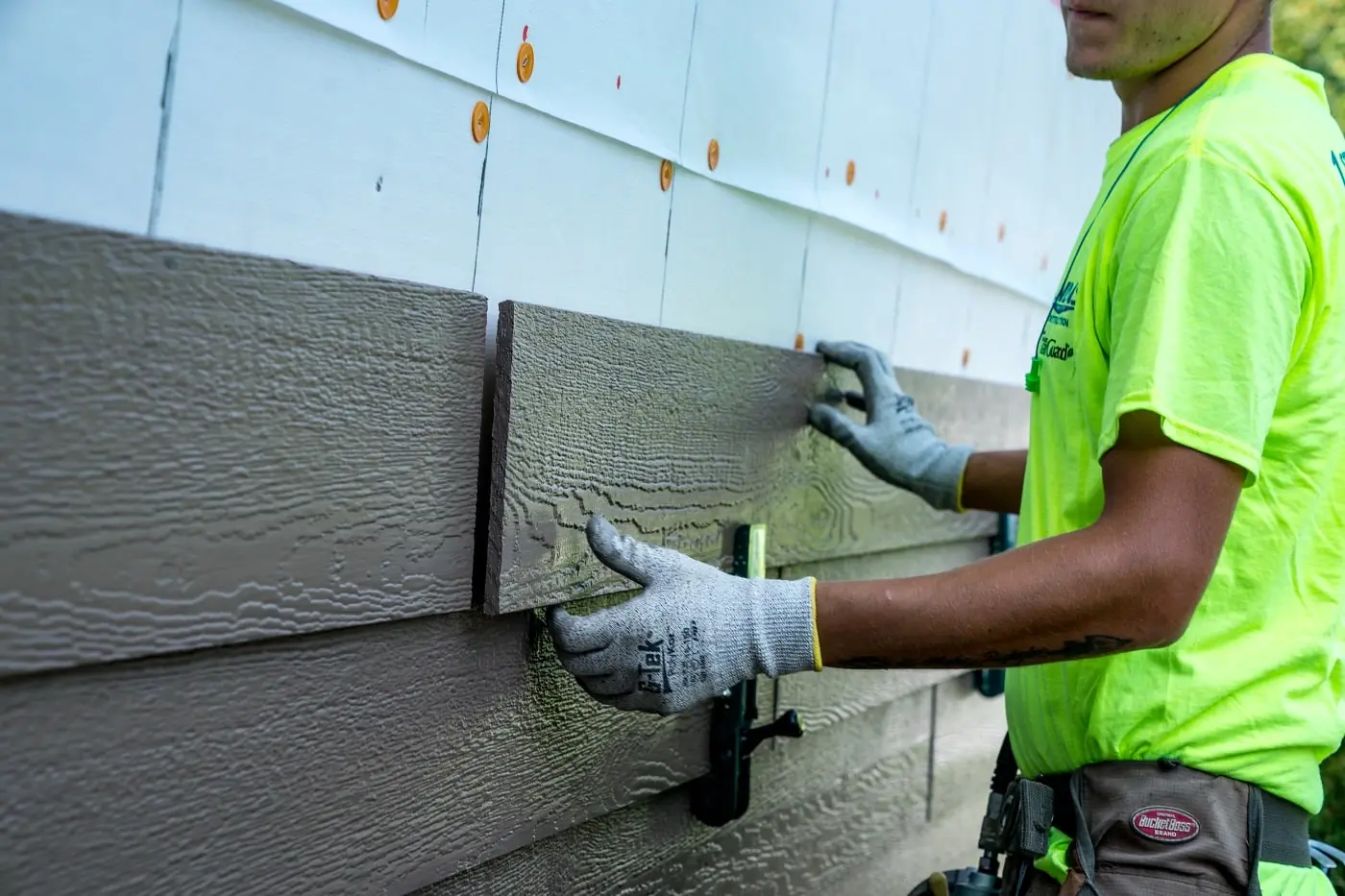
Your total siding installation cost hinges on the cladding material you select and the actual square footage of your exterior walls. Contractors normally estimate projects using 100-square-foot units, so if you want to see how supply yards group bundles, check our siding installation price per square guide.
Price ranges by siding material
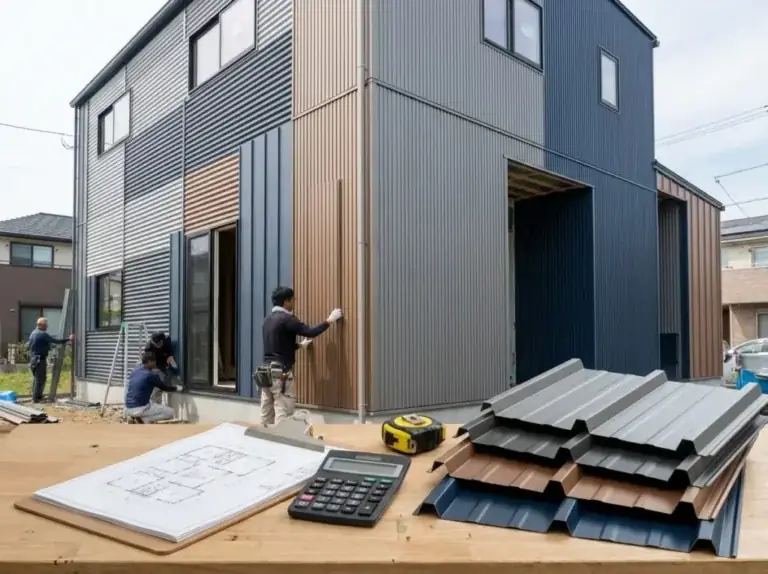
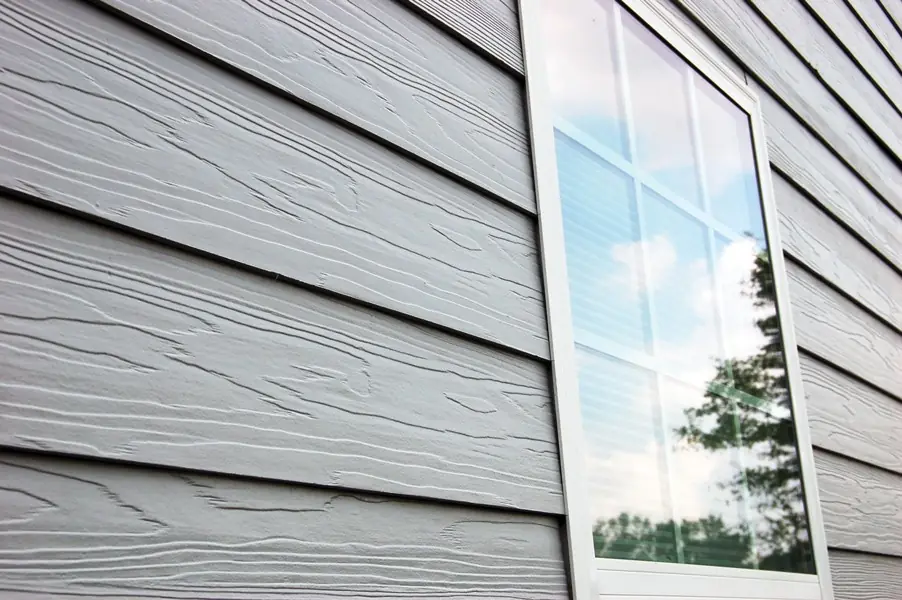
Cladding prices span a wide spectrum from lightweight polymer panels to heavy, fire-resistant fiber cement and standing seam steel. Standard vinyl keeps upfront spending manageable, while thicker rigid boards cost more to buy and hang. For a deeper look at polymer budgets specifically, see our vinyl siding installation price breakdown.
Typical costs for a 2,000 sq ft home
Interior floor area rarely equals exterior wall area because garages, gables, and ceiling heights change the math. A single-story 2,000-square-foot ranch usually has 1,650 to 1,900 square feet of wall space, putting a full project between $11,000 and $24,000. You can review exact unit rates in our siding installation price per square foot guide to check your contractor’s measurements.
What Goes Into the Total Cost
A reliable contractor estimate breaks your invoice into raw cladding, crew labor, weatherproofing barriers, and debris hauling. Understanding where every dollar goes makes it easy to spot padded allowances before you sign.
Materials, labor, and tear-off fees
On most residential jobs, materials take 45% to 55% of your budget while crew wages account for the rest. According to Zonda’s Remodeling Cost vs. Value Report, midrange siding replacements consistently recoup 88% to 96% of their job cost at resale, making proper installation a smart equity investment.
-
Cladding panels and starter strips: $1.50 to $6.80 per square foot depending on material grade and factory paint finishes.
-
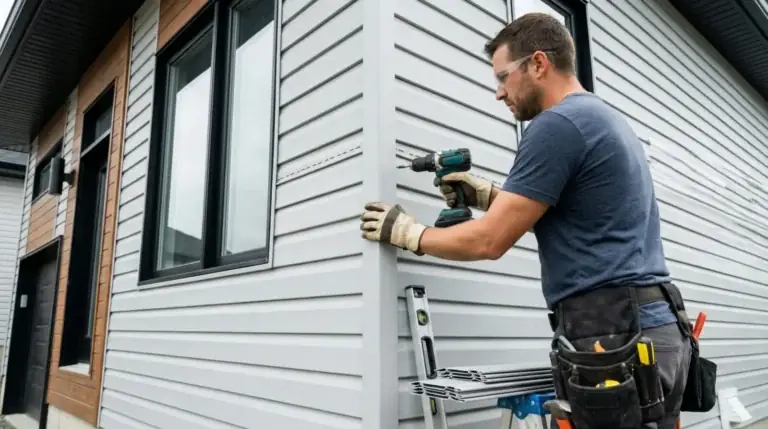
Installation crew labor: $2.50 to $6.50 per square foot, rising when crews work off pump-jack scaffolding on upper stories.
-
Old siding removal and dumpster haul: $1.00 to $2.00 per square foot to strip aged boards and haul debris to a transfer station.
-
Weather-resistive barrier and seam tape: $0.35 to $0.65 per square foot for woven house wrap that blocks wind-driven rain.
Permits, disposal, and incidental repairs
Municipal building permits run $150 to $500 in most cities, and inspectors check house wrap flashing before new boards go up. Once crews strip old cladding, they also inspect the wood sheathing underneath for hidden water damage.
Sheathing rot replacement
Soft OSB or plywood around leaky window sills costs $80 to $115 per 4×8 sheet to replace. Locking in that per-sheet rate in your contract before tear-off starts prevents surprise change-order markups.
Aluminum trim coil and soffits
Bending custom PVC-coated aluminum coil over exposed wood window frames adds $120 to $220 per window. Vented vinyl or fiber cement soffits under roof eaves typically run $3.00 to $5.50 per square foot installed.
Factors That Raise or Lower Your Project Price
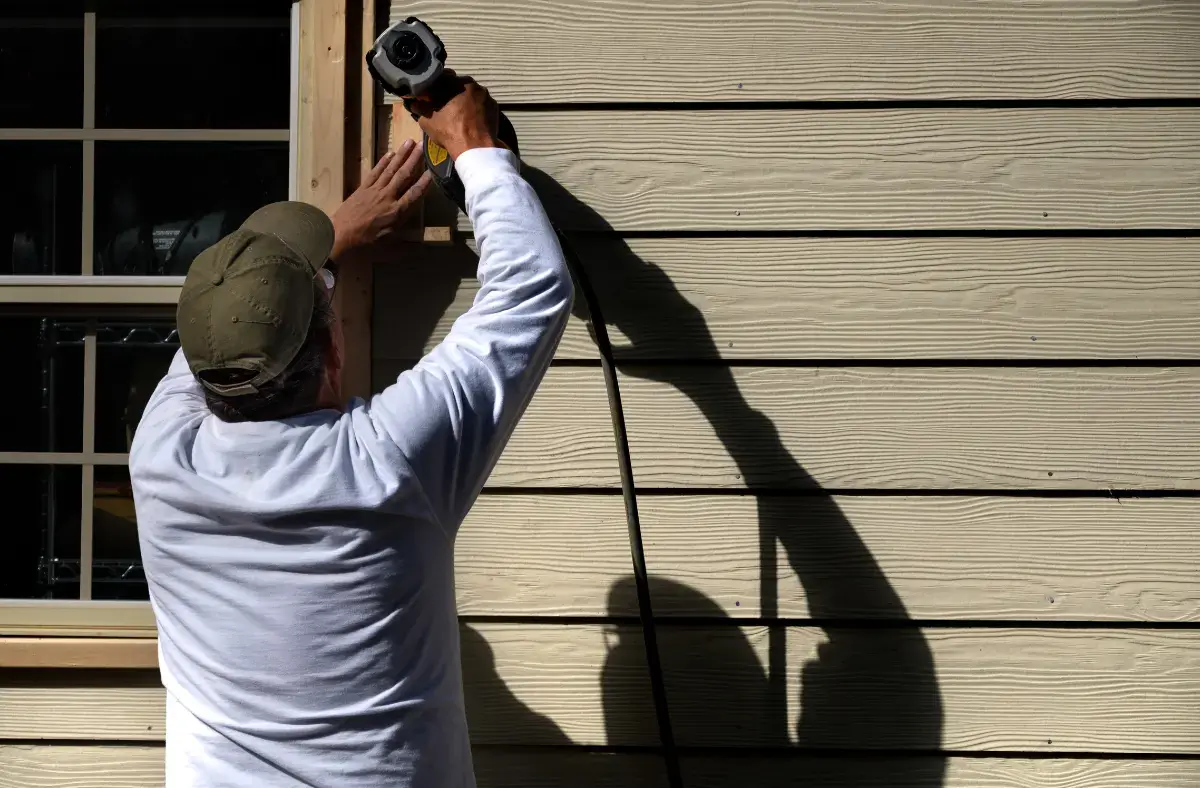
Two neighbors with identical square footage can receive estimates that differ by $6,000. Wall geometry, story height, and local wage rates drive those price gaps.
Home size, stories, and wall complexity
A simple one-story box goes up fast because installers work from the ground and run full-length planks without stopping. Adding second-story gables, dormers, and bay windows slows production by 25% to 35% and increases scrap waste.
Scaffolding and ladder setup
Upper-story walls require aluminum pump-jack poles, walk boards, and fall-arrest harnesses. Expect to pay $0.90 to $1.50 more per square foot for second-story sections compared to ground-level walls.
Window cutouts and architectural accents
Houses with 18 or more windows require hundreds of precision J-channel and trim cuts. Mixing cedar-shake accents or vertical board-and-batten panels into front gables also adds $1,500 to $3,200 to the bill.
Regional labor markets and material availability
Contractors in California, New York, and Massachusetts charge 20% to 25% more than crews in Texas, Ohio, or Georgia due to higher insurance premiums and landfill fees. Shipping heavy fiber cement or steel coils to rural areas away from major supply hubs can also add $400 to $900 in freight surcharges.
Planning a Project That Fits Your Budget
You do not need to drain your emergency fund or settle for paper-thin 0.040-inch panels to afford a clean exterior. Smart scheduling and clear contract comparisons help keep costs predictable.
Financing and phased installation options
Many exterior contractors partner with home improvement lenders to offer 12-to-18-month same-as-cash plans or fixed-rate terms. If paying cash, you can also split the job by tackling weather-beaten south and west walls this year and finishing shaded sides next season.
How to compare bids line by line
Always collect at least three written estimates that specify brand names, panel thickness, and exact square counts. Make sure your installer follows manufacturer and Vinyl Siding Institute (VSI installation manual) standards so thermal expansion gaps are left properly at trim pockets.
Check warranty coverage separately
Confirm both the manufacturer’s material warranty (often 30 years to lifetime) and the contractor’s written labor guarantee. A five-year workmanship warranty protects you if panels buckle or flashing loosens after installation.
Book during off-peak winter months
Exterior crews see fewer calls between November and February in most regions. Scheduling your project during late fall or winter often unlocks 8% to 15% seasonal discounts from established local installers.
Frequently Asked Questions
What is the average siding installation cost for a 2,000-square-foot home?
Most homeowners pay between $11,500 and $28,500 installed for a 2,000-square-foot home in 2026. Basic vinyl falls near $10,500 to $16,500, while painted fiber cement and steel reach $19,000 to $34,000.
How much does labor cost to install siding?
Installation labor averages $2.50 to $6.50 per square foot, or roughly half of your total project invoice. Lightweight vinyl sits at the lower end of that labor range, while heavy fiber cement planks require larger crews and dust-controlled cutting tools.
Is it cheaper to install new siding over old siding?
Installing new vinyl siding over flat, dry existing cladding saves $1,200 to $2,500 in tear-off and disposal fees. However, covering old boards hides potential wood rot and requires adding rigid foam board to create a flat nailing surface.
What time of year is cheapest to get new siding installed?
Late fall and winter (November through February) usually offer the lowest contractor rates. Crews have more open calendar slots during colder months and frequently offer 8% to 15% discounts to keep full-time installers working.
Get Free Siding Estimates From Local Pros Today
Understanding your real siding installation cost starts with measuring your exterior wall area and comparing itemized bids from at least three licensed local contractors. Request written quotes that separate material grades, tear-off fees, and per-sheet wood-rot repair rates, and schedule your free on-site consultation today before seasonal crew calendars fill up.