Metal Siding Install Price: Steel & Aluminum Costs
Knowing the true metal siding install price keeps you from getting shocked when modern steel or aluminum quotes come in way above standard plastic panels. Last spring, I reviewed four bids for a 2,100-square-foot mountain cabin in Colorado, and the quotes ranged from $21,000 to $37,500 because two contractors priced exposed-fastener agricultural steel while the others quoted concealed-fastener standing seam. Most homeowners spend between $1,100 and $1,850 per square ($11.00 to $18.50 per square foot) installed in 2026, depending on metal type and gauge.
Metal Siding Install Price by Panel Type
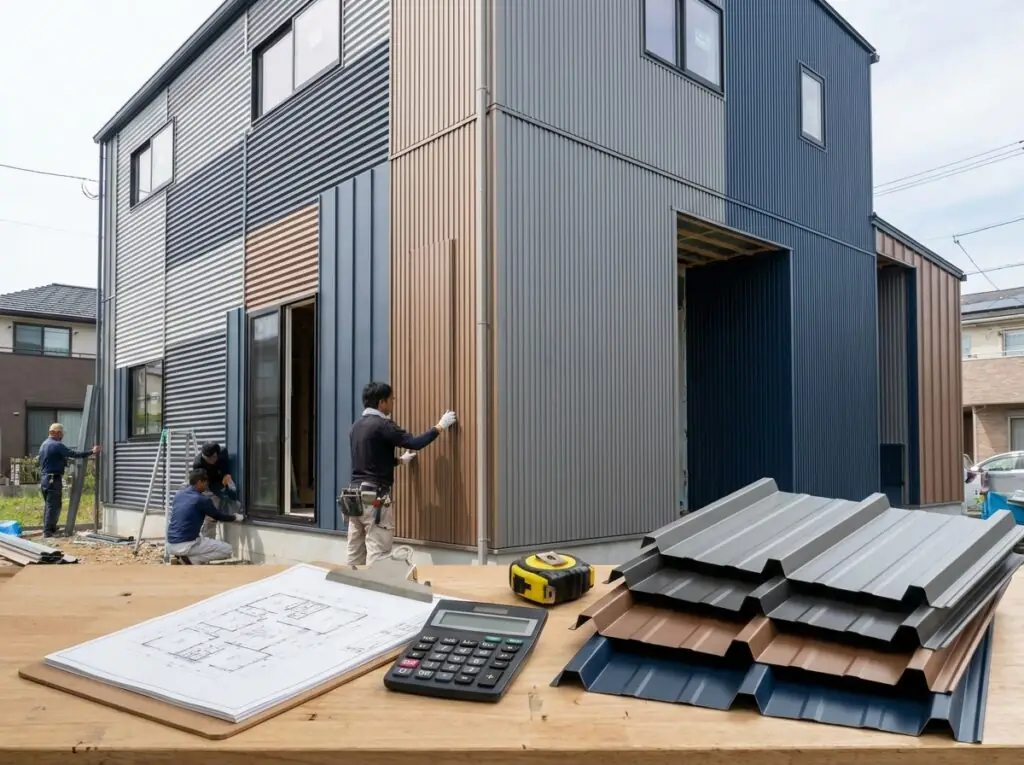
Your metal siding install price shifts dramatically based on how the panels lock together and what alloy rolls through the forming machine. Contractors group exterior wall measurements into 100-square-foot units, so if you want to compare metal against other cladding materials first, check our siding installation price per square guide.
Standing seam vs. corrugated panels
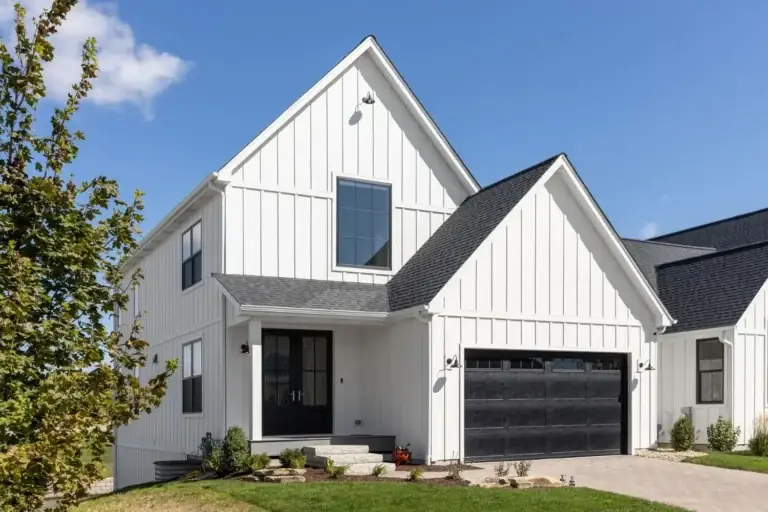
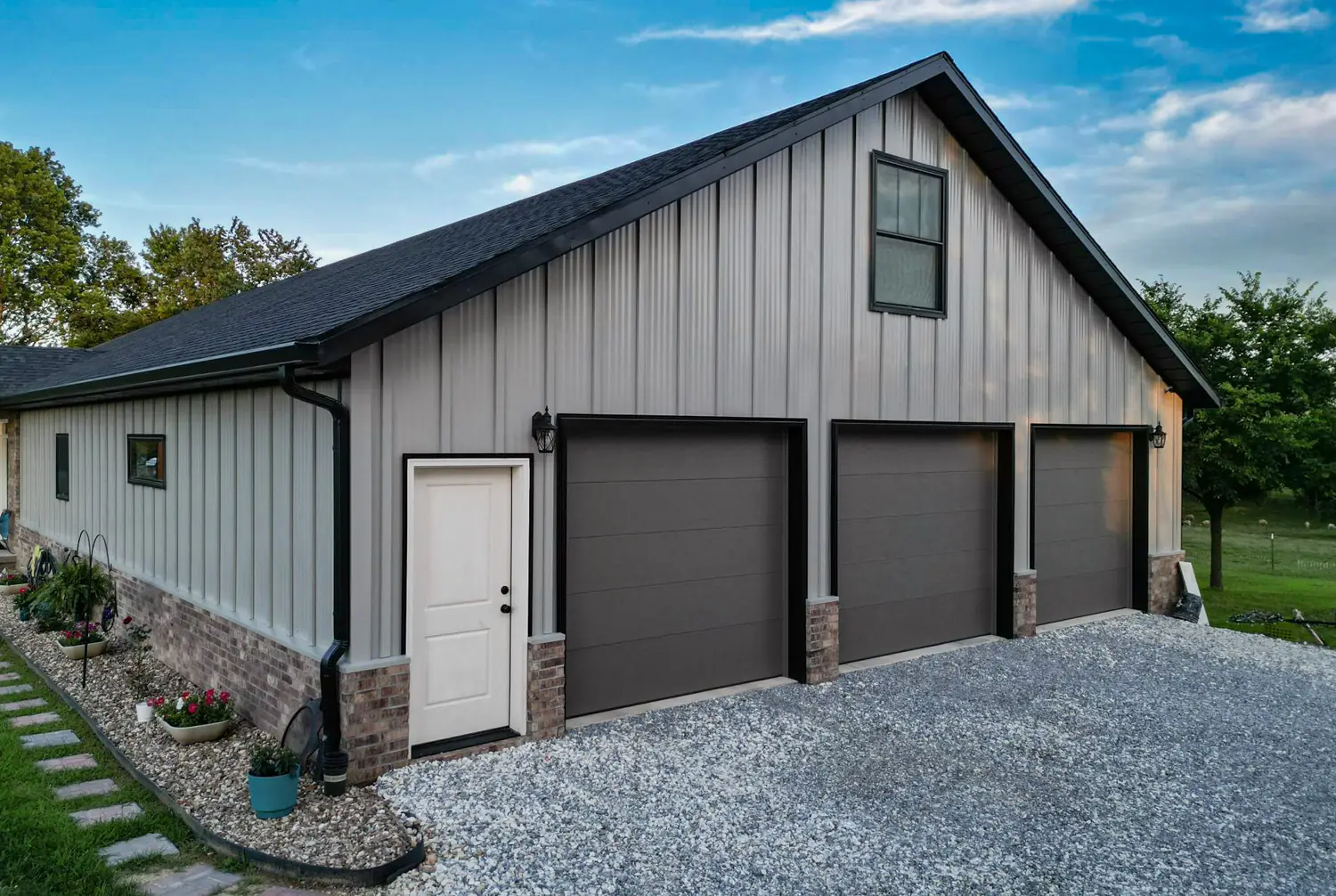
Exposed-fastener corrugated panels use neoprene-washered screws driven straight through the metal ribs, keeping material and crew rates affordable at $850 to $1,300 per square installed. Concealed-fastener standing seam panels lock over hidden clips so no screw heads ever face the weather, pushing installed pricing to $1,400 to $2,100 per square.
Steel, aluminum, and zinc price differences
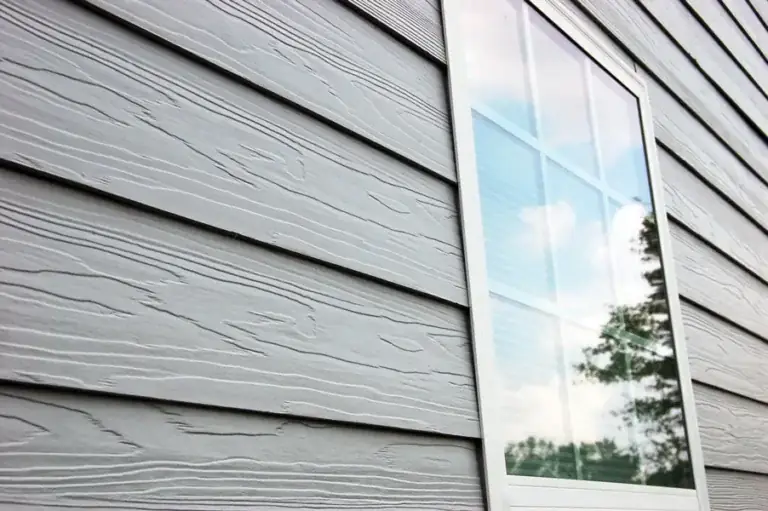
Galvanized or Galvalume steel dominates residential siding because it resists dents far better than soft metals. Coastal homeowners often switch to marine-grade aluminum to stop salt-air rust, while architectural zinc sits in the luxury tier.
| Metal Cladding Type | Material Only (Per Sq. Ft.) | Installed Total (Per Sq. Ft.) | Expected Lifespan |
| Corrugated Steel (29-Gauge) | $2.50 – $4.25 | $8.50 – $12.50 | 40 – 50 years |
| Standing Seam Steel (24-Gauge) | $4.75 – $7.50 | $14.00 – $19.50 | 50 – 60 years |
| Heavy-Gauge Aluminum Lap | $3.50 – $6.00 | $10.50 – $15.50 | 40 – 50 years |
| Architectural Zinc Panels | $9.00 – $15.00 | $22.00 – $32.00 | 70 – 100 years |
Material Factors That Move the Price
Raw coil thickness and paint chemistry decide whether your walls look crisp in thirty years or fade into chalky streaks. Buying cheap, thin-gauge metal panels often leads to visible “oil canning” (subtle wavy distortion) across wide sun-exposed walls.
Gauge, coating, and finish options
In sheet metal sizing, lower gauge numbers mean thicker, stiffer steel. Upgrading from thin 29-gauge panels to heavy 24-gauge steel adds $1.50 to $2.50 per square foot, yet it stops wind vibration and hail dimples cold.
Kynar 500 (PVDF) vs. SMP paint systems
Standard silicone-modified polyester (SMP) coatings cost less upfront and work fine in mild climates. Kynar 500 (70% PVDF) resin finishes add roughly $0.85 to $1.40 per square foot, but they carry 35-to-40-year warranties against chalking and fading under intense UV exposure.
Wood-grain printed steel finishes
Sublimated wood-grain steel planks give you the warm look of cedar without annual staining or carpenter bee damage. Expect to pay $2.00 to $3.50 per square foot more than solid matte colors for realistic multi-tone timber prints.
Custom colors and trim packages
Factory-bent perimeter flashings make or break a weather-tight metal envelope. J-channels, window sill pans, outside corner posts, and Z-flashing typically add 15% to 25% to your base panel invoice, especially if you order custom coil colors rather than stock manufacturer shades.
Installation Labor for Metal Siding
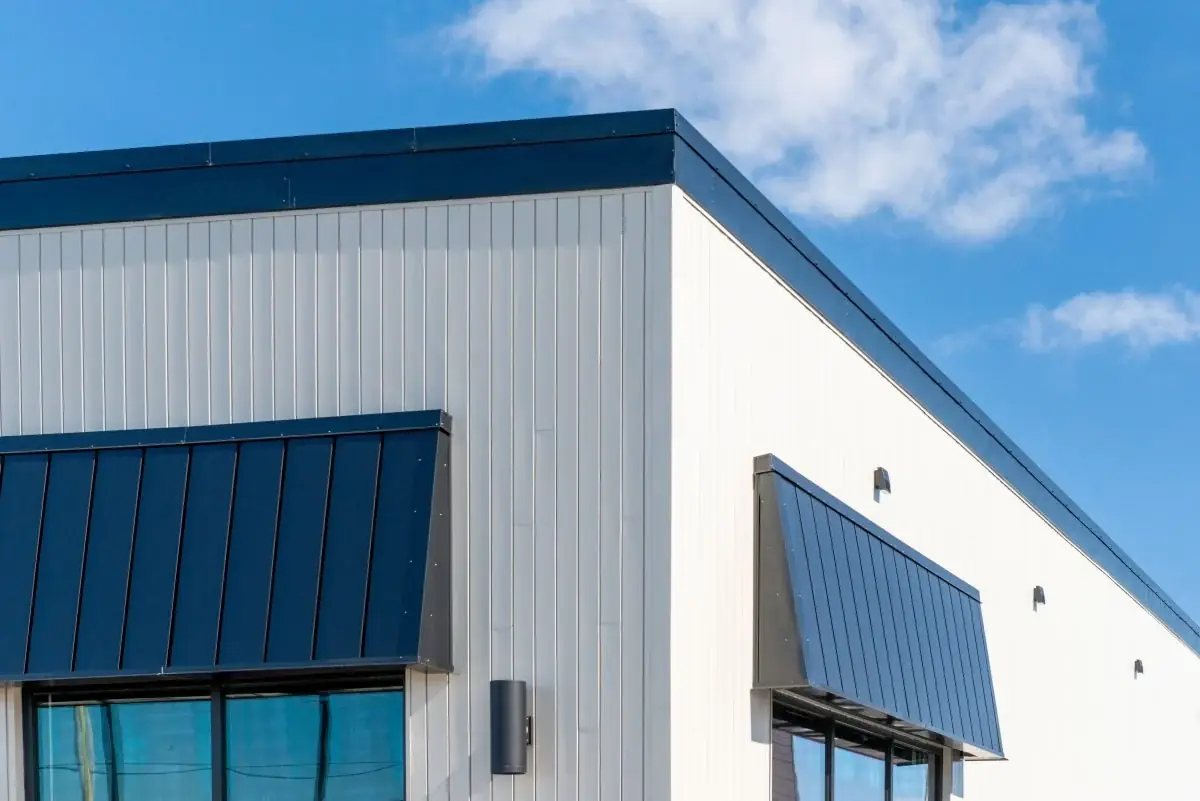
Crew labor makes up roughly 45% to 55% of your total project bill. Unlike wood lap that any framer can nail up, metal cladding demands specialized sheet-metal brakes, nibblers, and thermal expansion slots.
Why panel systems install faster
Long vertical or horizontal steel panels cover wide wall sections quickly once starter tracks are laser-leveled. Because factories roll-form panels to your exact wall height before delivery, installers waste less time splicing short butt joints on site. For a closer look at how single-foot labor rates compare across standard materials, review our siding installation price per square foot breakdown.
Complex roofs and gables that slow crews down
Simple rectangular walls move fast, while steep dormers, octagon windows, and cantilevered bump-outs force installers to hand-bend custom flashing transitions. Two-story homes also add $1.00 to $1.75 per square foot for scaffolding setup and hoisting long 16-foot panels safely without kinking the ribs.
-
Old siding tear-off and disposal: $0.75 to $1.45 per square foot to strip aged boards and haul debris.
-
High-temperature synthetic underlayment: $0.45 to $0.85 per square foot to prevent condensation behind metal panels.
-
Furring strips or rigid foam board: $0.80 to $1.50 per square foot when leveling out wavy old wall framing.
-
Custom aluminum or steel window wraps: $120 to $220 per window opening for bent perimeter trim.
Comparing Metal to Other Siding Investments
Paying $28,000 for steel siding instead of $13,000 for plastic panels feels steep on paper. When I inspected a 19-year-old Galvalume standing seam installation in Montana last summer, the panels still looked factory-fresh while neighboring polymer walls showed hail cracks and sun warping. Check our vinyl siding installation price guide if you want to compare upfront polymer savings against metal longevity.
Long-term maintenance savings
Metal cladding never rots, warps, or absorbs moisture during freezing winter thaws. You skip the $4,000 to $6,500 exterior repainting cycle that wood and primed fiber cement demand every seven to ten years, letting steel pay back its higher upfront price over two decades.
Insurance and fire-resistance perks
Non-combustible steel and aluminum panels earn a Class A fire rating, which helps homeowners in wildfire-prone states lower annual property insurance premiums. According to the Metal Construction Association (MCA residential resources), properly installed metal cladding also meets strict UL 2218 Class 4 impact-resistance standards against severe hailstorms.
Wildfire ember protection
Metal panels sealed with tight perimeter flashing leave zero exposed wood edges for wind-blown embers to ignite during brushfires.
Hail and high-wind resistance
Interlocking 24-gauge steel panels withstand wind gusts exceeding 140 mph when fastened over solid OSB or plywood sheathing.
Frequently Asked Questions
What is the average metal siding install price per square foot in 2026?
Most homeowners pay between $11.00 and $18.50 per square foot installed in 2026. Corrugated 29-gauge steel starts around $8.50 per square foot, while heavy 24-gauge standing seam steel reaches $19.50 per square foot.
Does metal siding make a house noisy when it rains?
No, modern metal siding installed over solid wood sheathing and synthetic house wrap sounds no louder than vinyl or fiber cement during rainstorms. Adding 1/2-inch rigid foam insulation board behind the panels deadens exterior noise even further.
Does metal siding rust over time?
Galvalume steel panels coated with an aluminum-zinc alloy and Kynar 500 paint resist rust for 40 to 60 years in normal inland climates. If you live within one mile of saltwater surf, choose marine-grade aluminum instead of steel to prevent edge corrosion.
How much does metal siding cost for a 2,000-square-foot home?
A full steel or aluminum siding installation on a 2,000-square-foot home typically runs $20,000 to $35,000 including house wrap and trim. Two-story layouts, complex rooflines, and old siding tear-off push quotes toward the upper end.
Request Itemized Metal Siding Quotes Today
Comparing your metal siding install price across at least three experienced sheet-metal contractors protects you from thin-gauge panels and sloppy flashing details. Measure your exterior wall area this week, ask each estimator to specify steel gauge, Kynar 500 coating, and per-sheet wood-rot repair rates in writing, and request your free on-site quote today before seasonal schedules fill up.