Siding Installation Price: 2026 Cost & Quote Guide
Knowing the real siding installation price before calling exterior contractors keeps you from getting overcharged on a lump-sum bid. Last spring, I audited four estimates for a 2,050-square-foot colonial in Indiana, and the quotes varied by nearly $8,500 simply because two crews buried trim allowances and waste factors. Most homeowners spend between $11,500 and $28,500 total for a complete exterior replacement in 2026, depending on wall material and prep work.
Siding Installation Price Ranges for 2026
Tracking the baseline siding installation price starts with understanding how different cladding materials stack up per square foot or bundle. Contractors typically calculate project sizes using 100-square-foot units, so if you want to compare wholesale bundle rates before meeting a sales rep, check our siding installation price per square guide.
Material-by-material price comparison
Standard vinyl lap siding remains the most affordable choice at $5.80 to $8.80 per square foot installed, while insulated foam-backed panels run $7.80 to $12.00. Premium options like James Hardie fiber cement or Galvalume standing seam steel push total installed costs to $10.50 to $18.00 per square foot. For a closer look at single-foot rates across all major brands, review our siding installation price per square foot breakdown.
Total project prices for common home sizes
A small single-story 1,500-square-foot ranch usually requires 1,400 to 1,700 square feet of actual siding, costing $9,000 to $20,000 depending on your material grade. A two-story 2,500-square-foot colonial demands 2,300 to 2,800 square feet of cladding, pushing total project invoices to $18,000 to $42,000 when accounting for tear-off and trim details. If you are budgeting specifically for polymer cladding, check our vinyl siding installation price guide.
What Your Installation Price Actually Covers
A trustworthy contractor proposal separates raw materials from crew labor, disposal fees, and weatherproofing barriers. Knowing what goes into your invoice protects you from unexpected surprise charges mid-project.
Materials, labor, and waste disposal
On most residential jobs, materials take 45% to 55% of your budget while crew wages account for the rest. According to Zonda’s Remodeling Cost vs. Value Report, midrange siding replacements consistently recoup 88% to 96% of their cost at resale, making professional installation a solid equity investment.
-
Cladding panels and starter strips: $1.50 to $6.80 per square foot depending on polymer gauge or cement thickness.
-
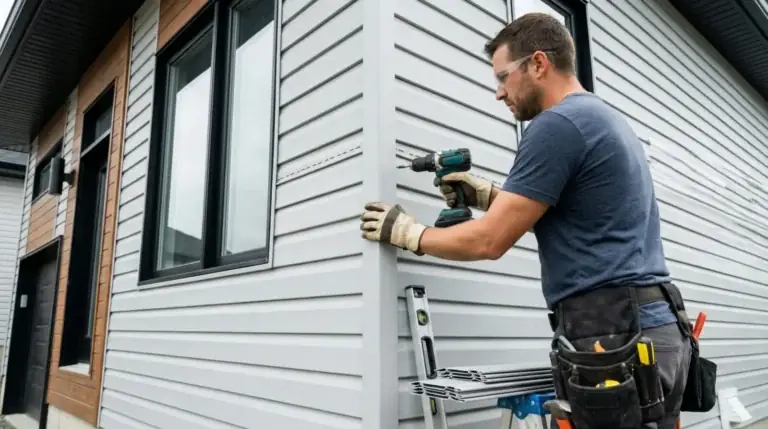
Installation crew labor: $2.50 to $6.50 per square foot, increasing when crews work off scaffolding on upper stories.
-
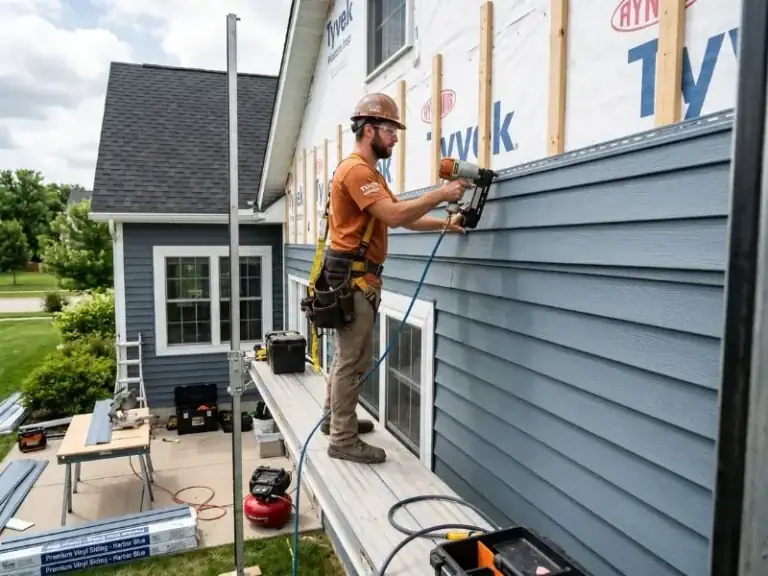
Old siding demolition and debris hauling: $1.00 to $2.00 per square foot to strip aged boards and rent a 20-yard roll-off dumpster.
-
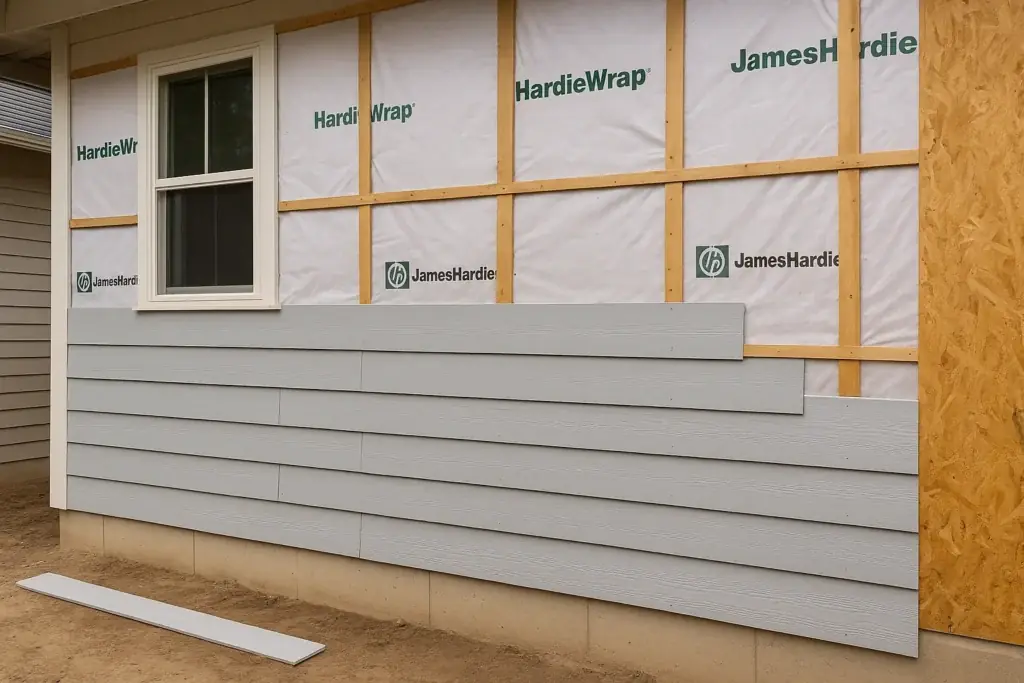
Weather-resistive barrier and seam tape: $0.35 to $0.65 per square foot for woven house wrap that blocks wind-driven moisture.
Warranties and what they exclude
Manufacturer warranties cover factory defects like fading or cracking, but they never pay for crew labor if panels buckle from sloppy nailing. Insist on a written five-year workmanship guarantee from your contractor so any loose flashing or warped trim gets fixed free.
Manufacturer material coverage limitations
Top brands offer 30-year to lifetime non-prorated warranties on heavy-duty vinyl and fiber cement lines. Read the fine print carefully, because improper nail clearance or painting over factory finishes can void those protections instantly.
Contractor workmanship guarantees
Factory material warranties do not cover installation errors. A dedicated workmanship guarantee from your local installation crew protects your wallet if panels pull loose during severe windstorms.
Price Differences Across Regions and Home Types
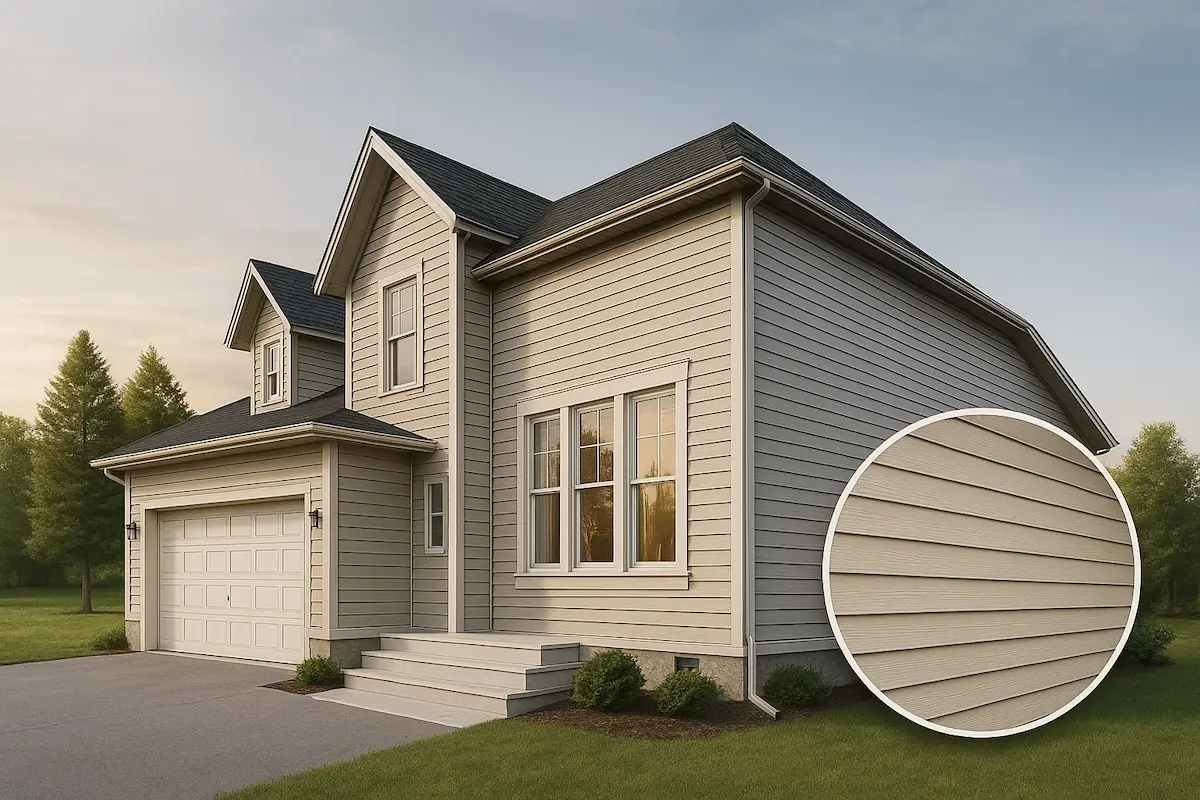
Two homes with identical square footage can receive bids that differ by $6,000 based purely on zip code and wall geometry. Local labor markets and story heights drive those cost variations.
Urban vs. rural labor rates
Contractors in high-cost metro areas like Boston, Seattle, and New York charge 20% to 25% more than crews in rural Midwest or Southern counties. Higher workers’ compensation insurance premiums, strict municipal permitting rules, and steep landfill tipping fees push overhead up in urban markets.
One-story ranch vs. two-story colonial costs
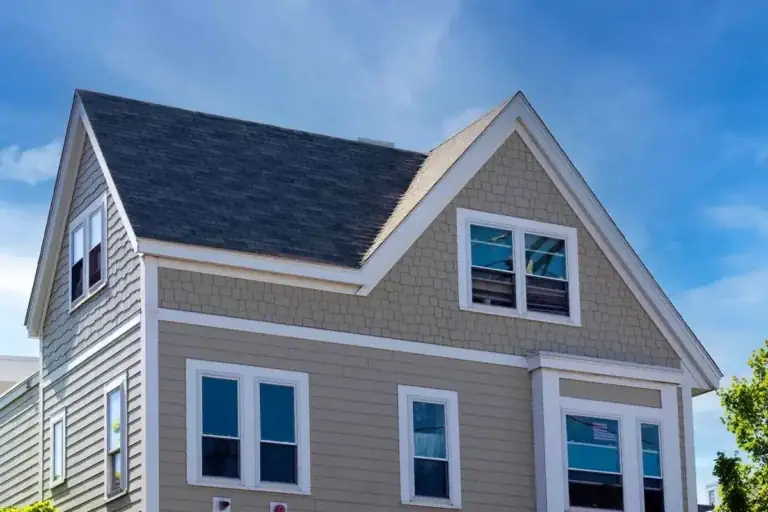
Simple single-story ranches go up fast because installers work safely from the ground and run long horizontal planks without stopping. Adding second-story gables, dormers, and bay windows slows production by 25% to 35% and increases scrap waste.
Scaffolding and pump-jack setup
Upper-story walls require aluminum pump-jack poles, walk boards, and fall-arrest harnesses. Expect to pay $0.90 to $1.50 more per square foot for second-story sections compared to ground-level walls.
Window cutouts and architectural accents
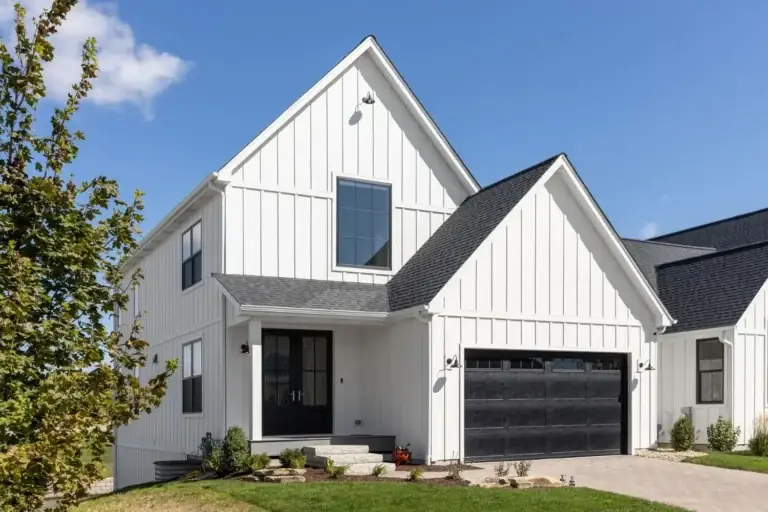
Houses with 18 or more windows require hundreds of precision J-channel and trim cuts. Mixing cedar-shake accents or vertical board-and-batten panels into front gables also adds $1,500 to $3,200 to the bill.
Getting the Best Price Without Regrets
Cutting corners by hiring an uninsured handyman or buying paper-thin 0.040-inch vinyl usually backfires within five summers. Focus on smart seasonal timing and strict contract comparisons instead.
When to schedule for lower rates
Exterior installation companies see a massive rush between April and August, which keeps labor rates at their peak. Booking your project during late fall or winter (November through February) often unlocks 8% to 15% seasonal discounts because crews want to keep full-time installers busy through colder months.
Verifying contractor credentials and insurance
Always collect at least three written estimates that specify brand names, panel thickness, and exact square counts. Make sure your installer follows manufacturer and Vinyl Siding Institute (VSI installation manual) standards so thermal expansion gaps are left properly at trim pockets.
Checking state licensing and bonding
Request proof of active state contractor licensing and general liability insurance before handing over any deposit funds. Established exterior companies readily share references from past projects completed in your immediate neighborhood.
Locking in wood rot repair rates
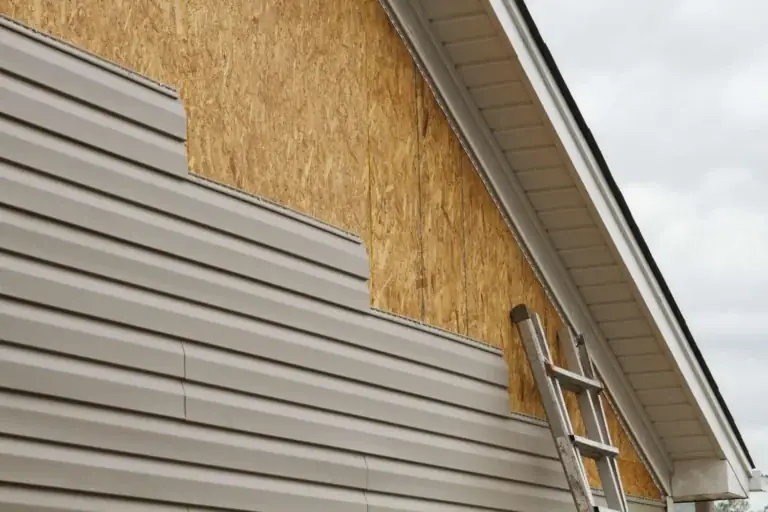
When old boards come off, crews frequently discover soft OSB sheathing around window sills and sill plates that needs immediate replacement. Lock in a fixed per-sheet plywood repair rate of $80 to $115 per sheet in your contract upfront to avoid unexpected emergency price hikes mid-project.
Frequently Asked Questions
What is the average siding installation price for a 2,000-square-foot home?
Most homeowners pay between $11,500 and $28,500 installed for a 2,000-square-foot home in 2026. Basic vinyl falls near $10,500 to $16,500, while painted fiber cement and steel reach $19,000 to $34,000.
Does siding installation price include removing old siding?
Most standard per-foot or per-square quotes only cover hanging new house wrap and panels on a clean wall. Stripping aged siding and hauling debris to a landfill typically adds $1.00 to $2.00 per square foot to your final invoice.
How much does labor cost to install siding?
Installation labor averages $2.50 to $6.50 per square foot, or roughly half of your total project invoice. Lightweight vinyl sits at the lower end of that labor range, while heavy fiber cement planks require larger crews and dust-controlled cutting tools.
What is the cheapest siding material to install?
Standard 0.040-inch or 0.044-inch vinyl lap siding is the most cost-effective cladding available. It costs $5.80 to $8.80 per square foot installed and requires zero painting maintenance over its 20-to-30-year lifespan.
Get Free Siding Estimates From Local Pros Today
Understanding your real siding installation price starts with measuring your exterior wall area and comparing itemized bids from at least three licensed local contractors. Request written quotes that separate material grades, tear-off fees, and per-sheet wood-rot repair rates, and schedule your free on-site consultation today before seasonal crew calendars fill up.