Siding Installation Cost: Finding Your Ideal Siding Match
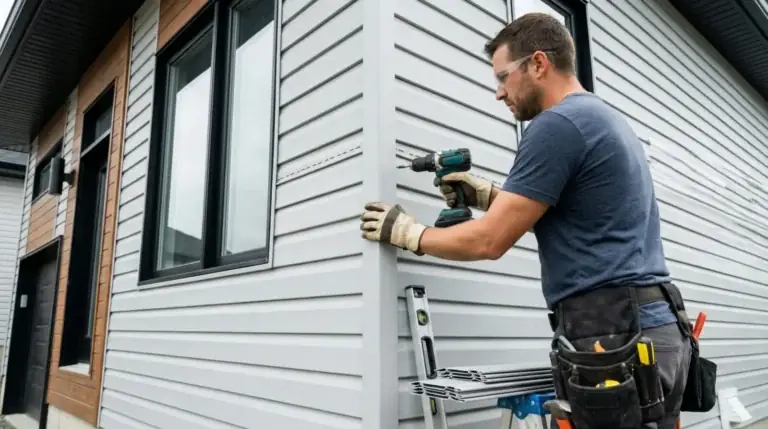
Balancing your total siding installation cost while picking your ideal siding material can feel like navigating a maze of conflicting contractor pitches. Last summer, I audited three bids for a 2,000-square-foot split-level in Michigan, and the quotes swung by $7,500 simply because two salespeople pushed premium fiber cement when standard insulated vinyl fit the homeowners’ actual climate and budget goals. Most homeowners spend between $11,000 and $26,000 total for a complete exterior replacement in 2026, depending on whether you choose budget-friendly polymer or heavy architectural metal.
Siding Installation Cost for Your Ideal Siding Choice
Finding your ideal siding requires looking past upfront sticker prices and analyzing what you get per square foot installed. Contractors usually organize bids into 100-square-foot blocks, so if you prefer checking wholesale bundle rates before meeting a sales rep, review our siding installation price per square guide.
Budget materials that still perform well
Standard 0.044-inch lap panels remain the most popular budget choice because they keep material and labor expenses low. You can wrap an average home in durable polymer for $5.80 to $8.80 per square foot installed, and you’ll skip the ongoing painting upkeep required by wood or stucco. For a deeper look at polymer pricing tiers, check our vinyl siding installation price breakdown.
Premium options for long-term value
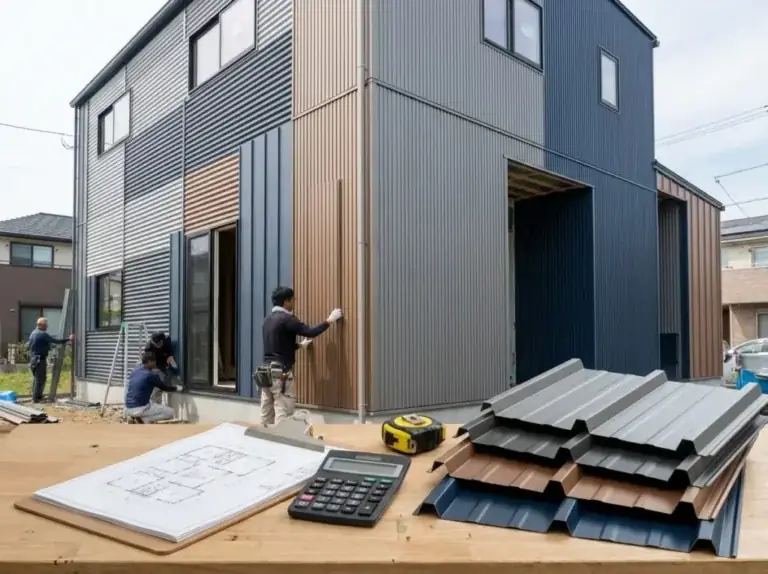
Upgrading to James Hardie fiber cement or Galvalume standing seam steel pushes your investment to $10.50 to $18.00 per square foot. While these materials cost more upfront, their 40-to-60-year lifespans and superior wind ratings make them the ideal siding choice for homeowners planning to stay in their houses for decades. You can cross-reference exact single-foot rates across all major brands in our siding installation price per square foot guide.
Matching Your Climate and Home Style
Every geographic region punishes exterior walls differently, making climate durability just as important as initial curb appeal. A material that thrives in dry western heat can warp or rot quickly in wet, humid eastern environments if it isn’t rated correctly.
Best picks for humid, coastal, and cold regions
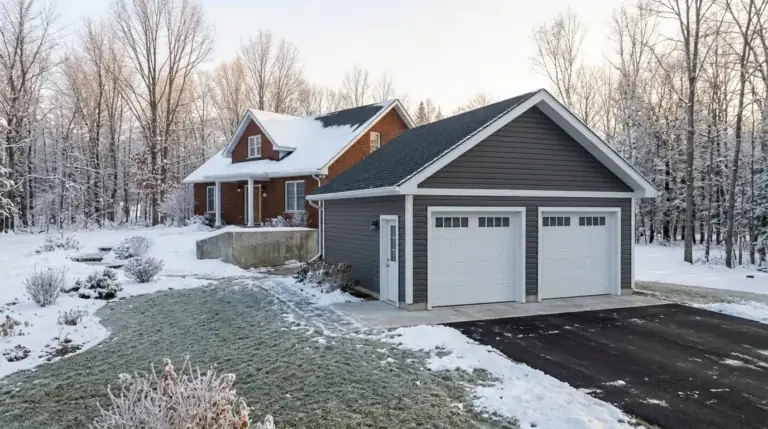
Coastal homes face salt spray and high winds that corrode cheap fasteners and rust standard steel panels. Marine-grade aluminum or fiber cement engineered for HZ10 southern zones handles salt and moisture without swelling. Cold northern winters demand impact-resistant vinyl or heavy steel that won’t crack when frozen ice hits the walls during heavy blizzards.
Curb appeal and resale considerations
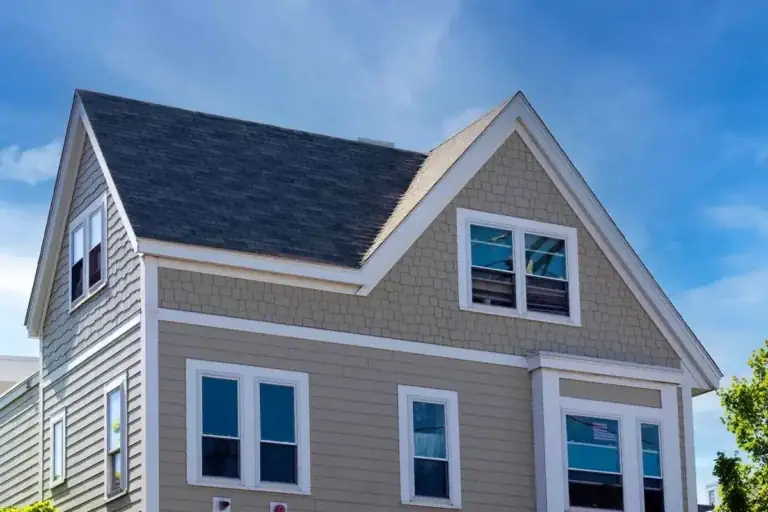
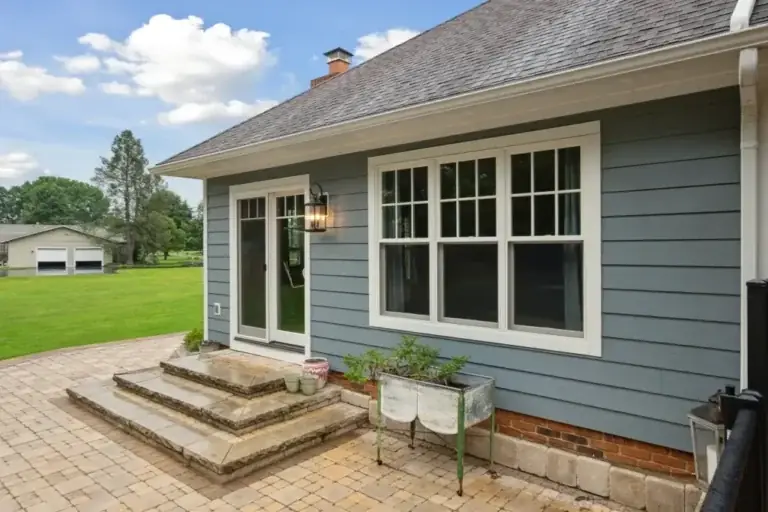
According to the Remodeling Cost vs. Value Report published by Zonda, exterior siding replacements consistently return 88% to 96% of their cost at resale. Selecting classic architectural profiles like Dutch lap or staggered shakes helps your home blend into established neighborhood aesthetics while boosting appraisal values.
Architectural harmony with neighborhood standards
Matching your siding profile to surrounding homes prevents your property from looking out of place during future buyer walkthroughs. Historic districts often mandate specific smooth lap widths or natural wood textures that rule out glossy, low-end plastic panels.
Front gable accent combinations
Mixing vertical board-and-batten or faux stone panels into front gables draws the eye and elevates curb appeal without re-siding the entire house in expensive materials. This hybrid approach keeps your total budget under control while giving your exterior a custom, high-end finish.
Balancing Cost, Durability, and Maintenance
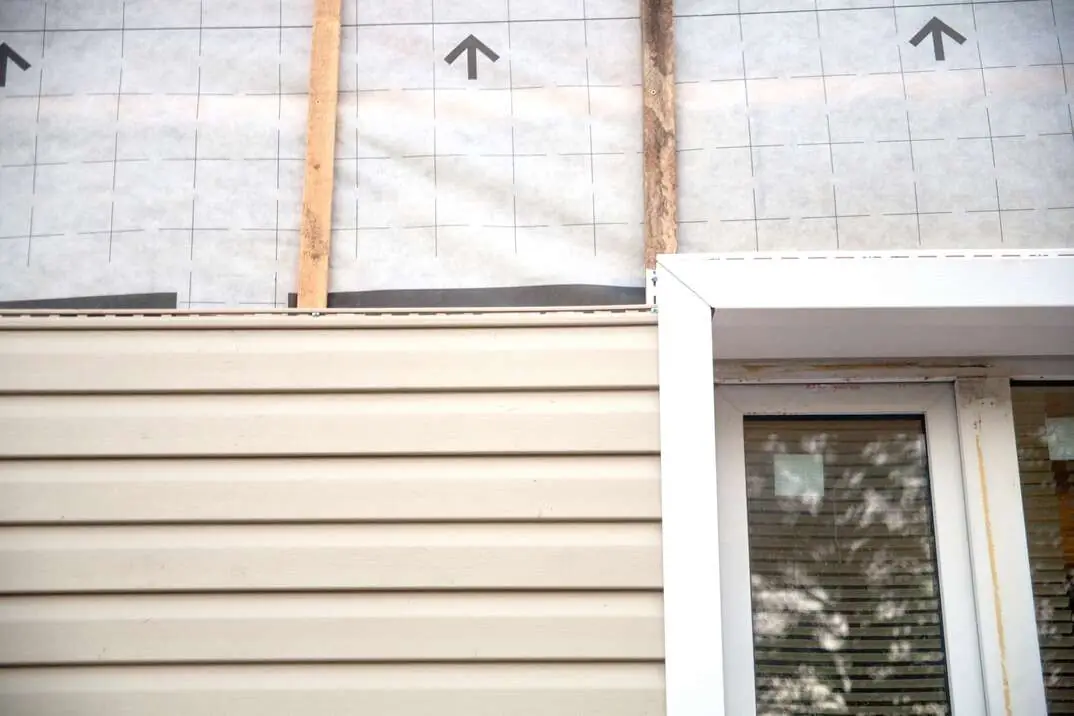
A cheap upfront quote often hides expensive maintenance bills that pop up five years down the road. Weighing initial installation expenses against thirty-year upkeep requirements ensures your chosen cladding truly functions as your ideal siding over the long haul.
Upfront price vs. 30-year upkeep
Wood lap siding demands scraping, priming, and repainting every five to seven years at a cost of $3,500 to $6,000 per cycle. Choosing factory-finished fiber cement or vinyl eliminates those recurring paint bills entirely, letting the material pay back its higher initial installation cost over time.
Insulated and energy-efficient options
Adding rigid foam-backed insulation behind your exterior panels increases your wall’s thermal rating by R-2 to R-3. This extra barrier dampens outside street noise and prevents thermal bridging through wood studs, cutting seasonal heating and cooling losses.
Foam-backed vinyl and thermal comfort
Insulated vinyl panels stay rigid across wide wall spans and resist denting from stray hail or falling tree branches. They cost $2.00 to $3.50 more per square foot than hollow panels, yet they improve indoor comfort during freezing winter snaps.
Weather-resistive barriers and house wrap
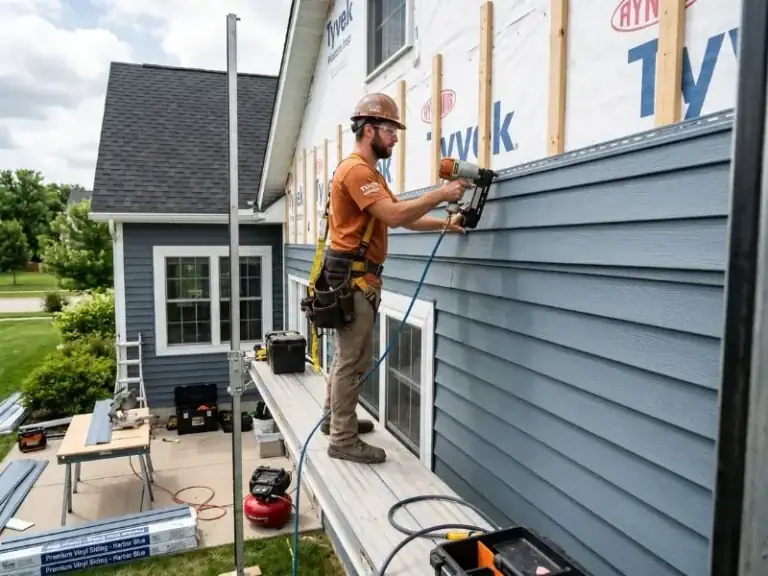
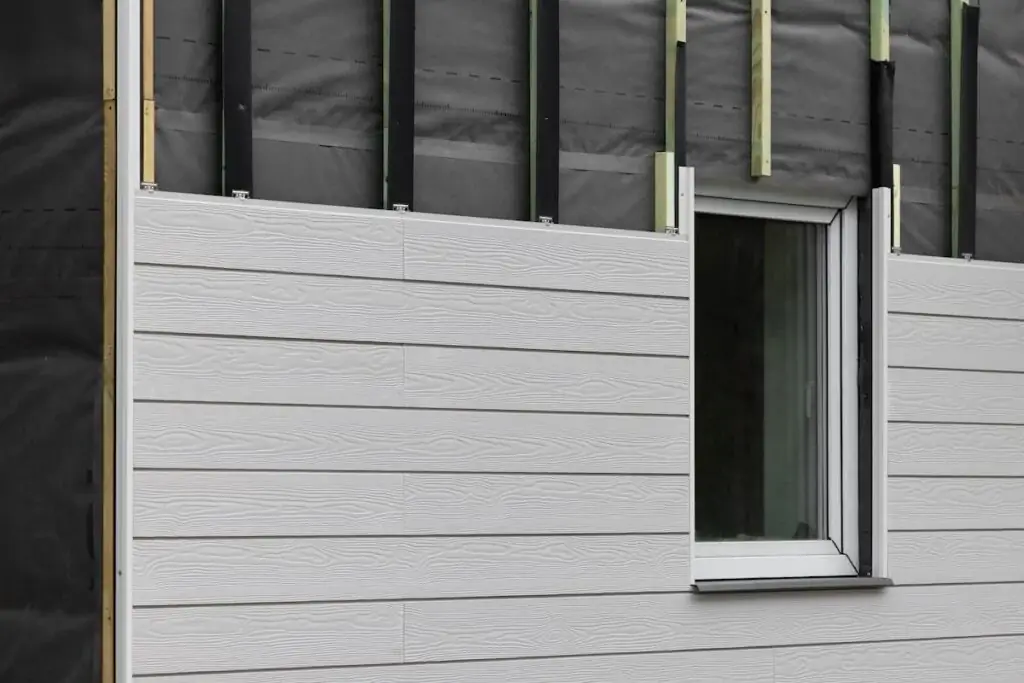
Installing a high-grade breathable house wrap beneath your cladding stops wind-driven moisture from rotting your plywood sheathing. According to guidelines from the Vinyl Siding Institute (VSI technical bulletins), proper drainage planes are critical for preventing trapped condensation behind tight exterior walls.
Turning Your Pick Into a Project Plan
Calculating total expenses requires translating per-foot numbers into a comprehensive scope of work that accounts for your home’s unique geometry. Estimating mistakes happen when homeowners rely on indoor floor plans instead of measuring exterior walls directly.
Sample budgets by home size
A small single-story 1,500-square-foot ranch typically requires 1,300 to 1,600 square feet of siding, costing $9,000 to $22,000 depending on material grade. A two-story 2,500-square-foot colonial demands 2,200 to 2,800 square feet of cladding, pushing total project budgets to $16,000 to $45,000 when factoring in old siding tear-off and complex roof gables.
Finding installers certified for your material
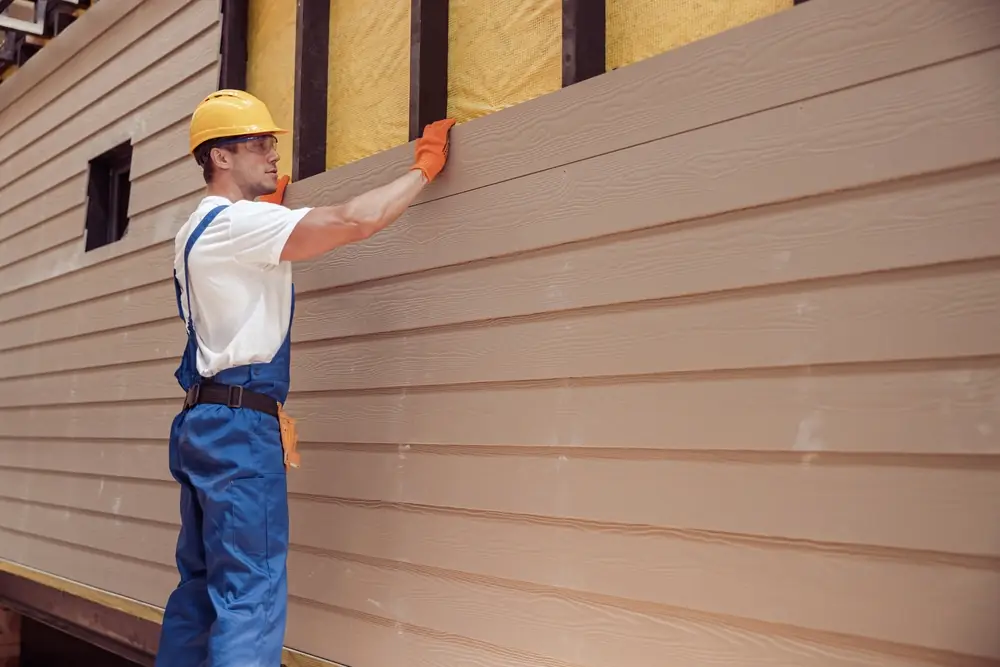
Hiring a general handyman who treats fiber cement or metal like standard wood lap can void your manufacturer warranties instantly. Always verify that your crew holds active manufacturer certifications, carries liability insurance, and provides a written five-year workmanship guarantee on all nailing and flashing work.
Checking contractor credentials and licensing
Request proof of state contractor licensing and local building permit histories before handing over any deposit funds. Established exterior companies readily share references from past projects completed in your immediate neighborhood.
Locking in wood rot repair rates
When old boards come off, crews frequently discover soft OSB sheathing around window sills and sill plates that needs immediate replacement. Lock in a fixed per-sheet plywood repair rate in your contract upfront to avoid unexpected emergency price hikes mid-project.
Frequently Asked Questions
What is the average siding installation cost for a 2,000-square-foot home?
Most homeowners spend between $11,500 and $28,500 installed for a 2,000-square-foot home in 2026. Basic vinyl sits near the lower end of that range, while painted fiber cement and steel occupy the higher tier.
How do I know which material is my ideal siding?
Your ideal siding depends on your local climate, maintenance tolerance, and overall remodeling budget. Vinyl offers the best low-maintenance value, whereas fiber cement and steel provide unmatched fire resistance and longevity in harsh weather.
Does siding installation cost include removing old cladding?
Most standard per-foot or per-square quotes only cover hanging new house wrap and panels on a clean wall. Stripping aged siding and hauling debris to a landfill typically adds $1.00 to $2.00 per square foot to your final invoice.
How long does a full home siding replacement take?
A professional three-person crew usually completes a standard residential siding replacement in four to seven working days. Bad weather, extensive wood-rot repairs, or custom window wrapping can add two to three extra days to the timeline.
Get Free Siding Estimates From Local Pros Today
Comparing your total siding installation cost and finding your ideal siding starts with gathering itemized bids from at least three licensed local contractors. Measure your exterior walls this week, ask each estimator to specify panel gauges and per-sheet wood-rot repair rates in writing, and schedule your free on-site consultation today before seasonal crew calendars fill up.