Driveway Paving Vs Sealing: Making the Right Call for Your Home
Deciding between driveway paving vs sealing is a dilemma most homeowners face when cracks start appearing and water pooling becomes a regular nuisance. I spent years patching minor surface blemishes on my old asphalt before realizing that a simple coat of sealant will never fix structural base failure. When you weigh driveway paving vs sealing, you have to look past upfront expenses and examine what your aggregate base actually needs to survive another winter.
Driveway Paving Vs Sealing — Overview
Key facts to know first
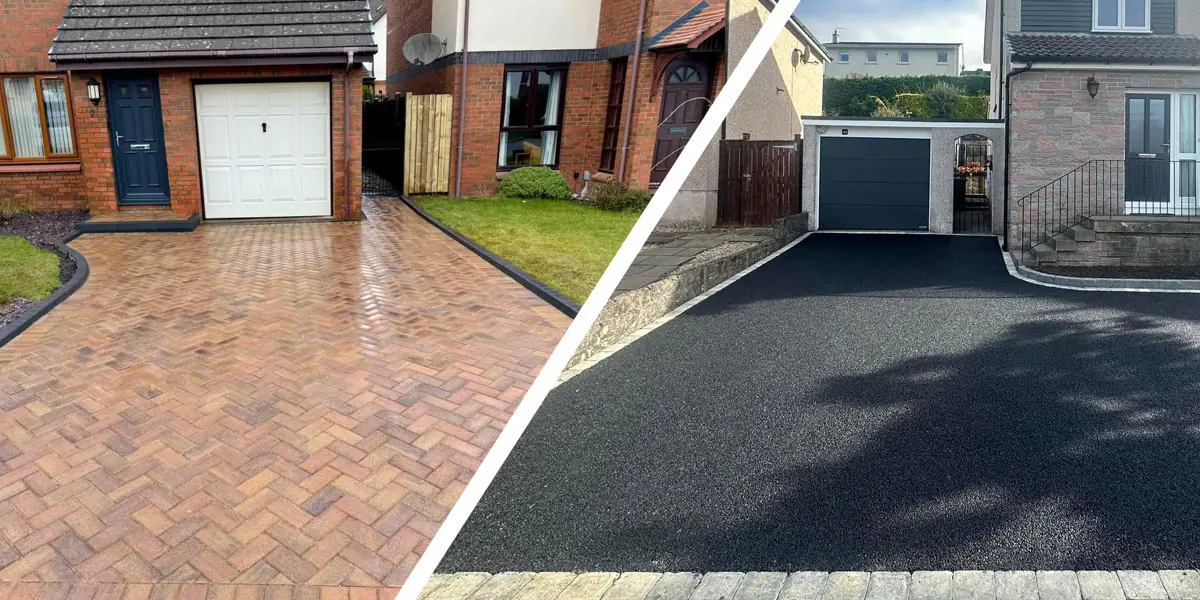
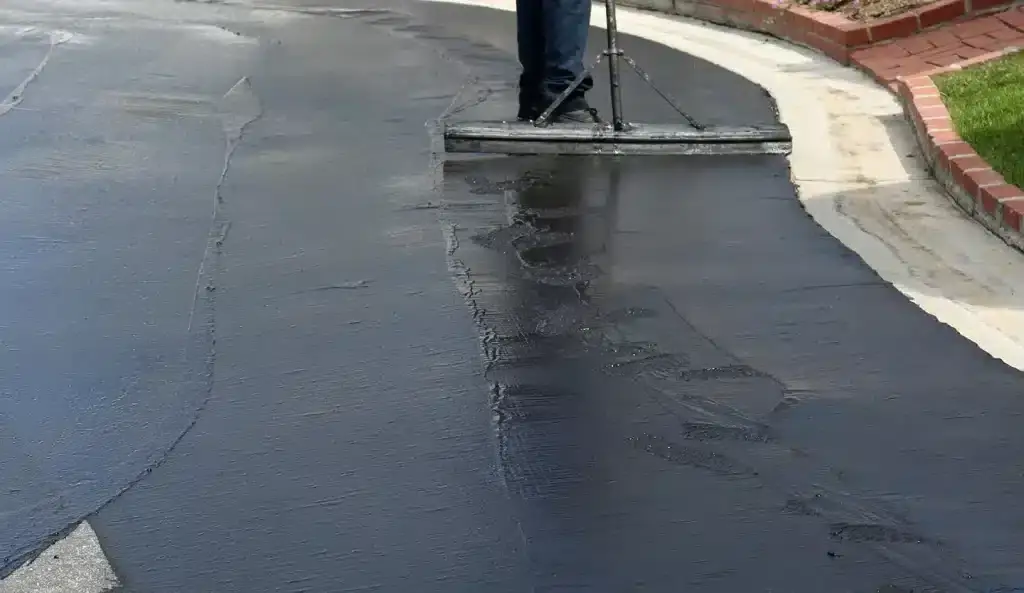
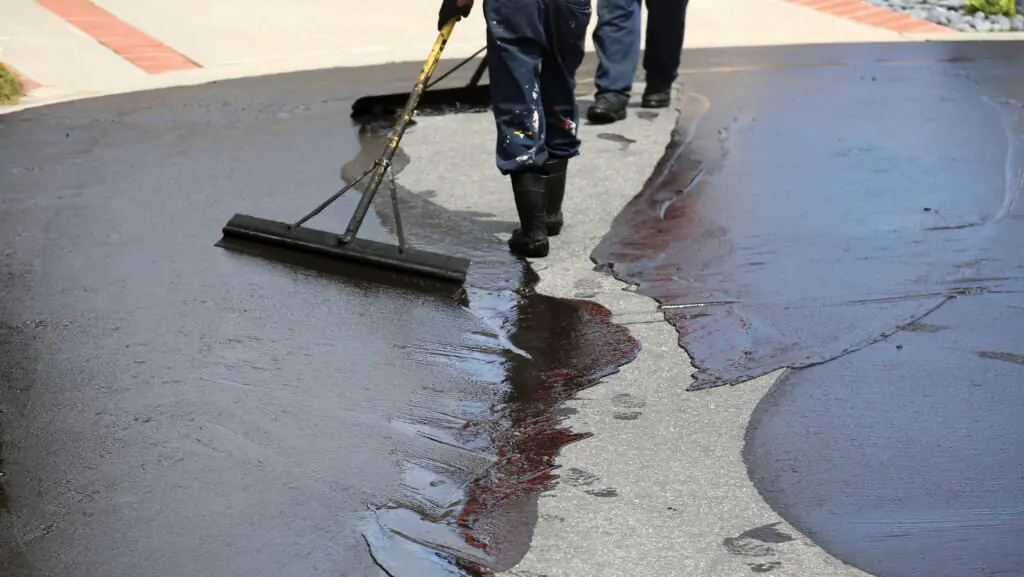
Driveway paving vs sealing represents two entirely different scopes of work, ranging from routine maintenance to heavy structural reconstruction. Sealing adds a protective topical barrier against UV rays, motor oil spills, and moisture penetration on sound surfaces. Paving involves laying down an entirely new asphalt or concrete surface over a properly graded base layer.
What most people get wrong
Property owners often assume that sealing can cure deep alligator cracks and sunken potholes. In reality, liquid sealcoat only hides minor surface wear and will peel away quickly if the underlying aggregate is shifting. You cannot paint over structural damage and expect a durable result.
Assessing structural wear
You need to poke around cracks with a screwdriver to see if the sub-base has washed away beneath the asphalt. If the edges crumble under light pressure, sealing is a waste of money because the surface lacks structural support. Paving becomes mandatory once base failure causes widespread shifting and drainage failure.
Evaluating financial impact
Routine sealcoating costs a fraction of total resurfacing, usually running a few hundred dollars for average residential driveways. Full paving projects demand thousands of dollars upfront, but they reset your maintenance clock for the next twenty years. Checking local contractor rates and reviewing honest fence company reviews gives you a clear idea of how reliable exterior trades price their services.
Understanding Timing and Material Lifespans
The right time to seal
Sealcoating works best on driveways that are less than six months old or surfaces that received professional repairs within the last three years. Applying sealer too frequently causes the material to build up thick layers that eventually crack and flake off under tire friction. The Asphalt Institute recommends waiting until fresh asphalt cures completely before applying any coal tar or asphalt emulsion.
When paving is mandatory
Driveways older than twenty years with extensive crumbling usually require complete teardown and repaving. Patching isolated spots on an expired sub-base creates a bumpy surface that collects standing water during heavy rainstorms. Investing in complete replacement prevents you from throwing good money after bad repairs year after year.
Material weathering factors
Freezing temperatures and heavy vehicle loads break down binder oils in asphalt over time. If your driveway loses its dark rich color and exposes rough aggregate stones, it absorbs water like a sponge. Prompt maintenance stops freeze-thaw cycles from tearing apart your sub-base during winter storms.
Contractor coordination steps
Hiring experienced paving crews requires verifying licensing, insurance, and local client references before signing any contract. You can read detailed local feedback and fence contractor reviews to see which local home improvement teams show up on time and respect property boundaries. Clear communication eliminates surprise change orders halfway through your driveway project.
Cost Breakdown and Long Term Value
Upfront pricing differences
Professional sealcoating services typically charge between fifteen and thirty cents per square foot depending on surface prep needs. Complete driveway paving runs significantly higher, averaging several dollars per square foot for standard asphalt installation. Weighing these numbers against your current budget helps determine your next step.
Maximizing return on investment
A fresh, professionally paved driveway dramatically boosts curb appeal if you plan on putting your house on the real estate market. On the other hand, routine sealing protects your capital investment by preventing minor cracks from turning into expensive structural failures. Balancing these factors ensures you spend your home improvement dollars wisely.
Maintenance scheduling tips
Mark your calendar to inspect your driveway for hairline cracks every spring after winter snowplows clear out. Filling cracks promptly with rubberized cold pour prevents water from reaching the sub-base and freezing. Establishing a regular upkeep habit saves you from emergency paving bills down the road.
Quality standards to watch
Reputable paving contractors always compact sub-base gravel thoroughly using heavy steam rollers before laying hot mix asphalt. If a crew skips compaction to save time, your new driveway will develop ruts within the first warm summer season. Reviewing the best fence brands and material guides provides useful context on how quality manufacturing standards apply across all exterior home products.
Frequently Asked Questions
How often should I apply sealcoat to my driveway?
Most asphalt driveways benefit from professional sealing every two to three years depending on climate severity and vehicle traffic volume. Avoid sealing too often because excess buildup causes unsightly peeling and flaking.
Can I pave directly over my existing damaged driveway?
Overlaying is possible if the current sub-base remains stable and cracks are minor, but severe potholes require complete excavation. A professional contractor must inspect the site to determine whether an overlay will hold up.
What is the primary difference between paving and sealing?
Paving involves replacing or installing a brand new structural surface over a compacted base, while sealing applies a protective coating. Sealing protects sound pavement from weather damage, whereas paving fixes structural failures.
How long does a newly paved driveway take to cure?
Fresh asphalt needs at least three to five days to cool and harden enough for regular vehicle traffic, though it continues curing for months. Heavy trucks should stay off the new surface for at least a week to prevent permanent tire ruts.
Conclusion
Choosing between driveway paving vs sealing comes down to an honest assessment of your current surface condition and structural integrity. Minor cracks respond well to timely sealing, while sunken spots and crumbling edges demand complete paving intervention. Take time to evaluate your sub-base stability before spending money, and reach out to a trusted local contractor to schedule your project estimate today.