Is a Paver Driveway Worth It? Breaking Down Costs and Durability
Wondering if is a paver driveway worth it is a question that stops many homeowners right in their tracks when they look at initial contractor bids. I spent weeks reviewing material samples and talking to local masons before realizing that concrete pavers carry a much higher upfront price than poured asphalt. When you weigh whether is a paver driveway worth it for your specific property, you have to look past the sticker shock and examine long term repair savings.
Is A Paver Driveway Worth It — Overview
Key facts to know first
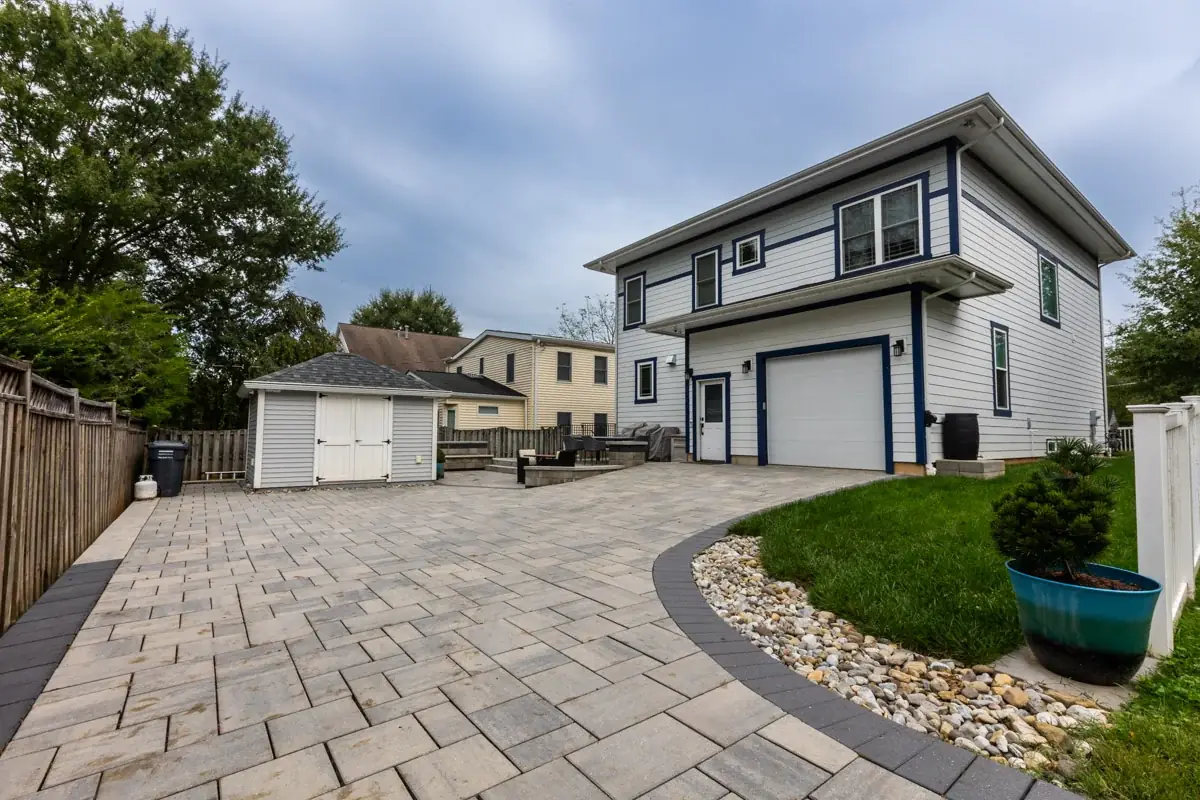
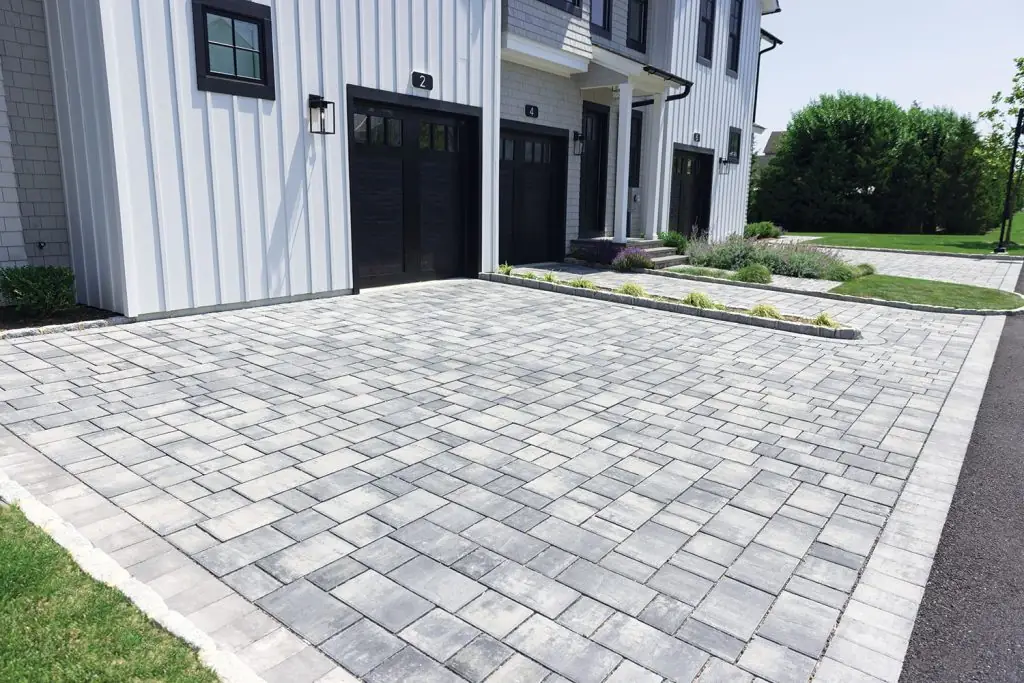
Evaluating whether is a paver driveway worth it requires understanding how modular interlocking stones handle seasonal ground movement compared to rigid slabs. Pavers consist of individual manufactured concrete or natural stone units set over a thick, compacted aggregate base and bedding sand layer. According to guidelines from the Interlocking Concrete Pavement Institute, this flexible design allows individual stones to shift slightly during winter freezes without cracking across the surface.
What most people get wrong
Homeowners often assume that interlocking paver stones will sink into the mud or slip apart under heavy SUV tires within the first year. In reality, a properly installed paver grid locked in with heavy edge restraints and polymeric joint sand forms a remarkably rigid parking surface. You cannot blame the stone units themselves if an unqualified contractor cuts corners on sub-base gravel compaction and drainage prep.
Analyzing initial material costs
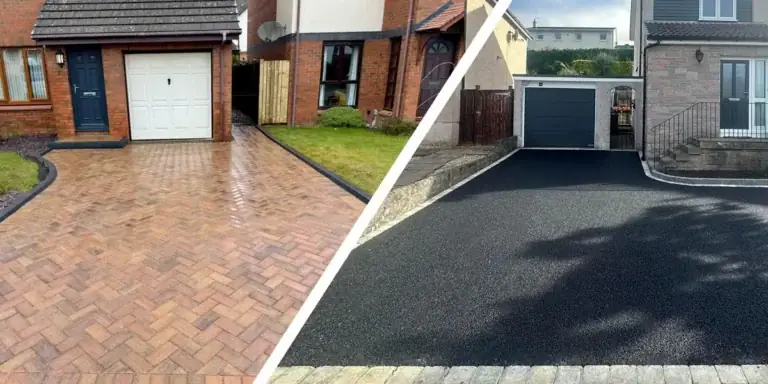
Paving stones typically cost between fifteen and thirty dollars per square foot installed, which is significantly higher than standard poured concrete or asphalt. That price tag includes extensive manual labor, precise hand cutting around curves, and heavy mechanical plate compaction. Homeowners must decide if that steep financial jump fits their home improvement budget.
Sourcing contractor recommendations
Finding a skilled hardscape professional ensures your expensive stones will not develop low spots or shifting tire ruts over time. You can read honest contractor feedback and fence contractor reviews to see which local trade teams show up on time and maintain high quality standards. Verifying previous residential projects protects your significant investment from poor workmanship.
Maintenance Realities and Long Term Durability
The truth about weed growth
Weeds and grass seeds love settling into the narrow joints between paving stones if you skip regular sweeping and joint maintenance. Sweeping specialized polymeric sand into dry joints creates a hardened barrier that stops weed growth and ant hills for several seasons. Committing to this minor biennial chore keeps your parking pad looking crisp and clean.
Repair flexibility benefits
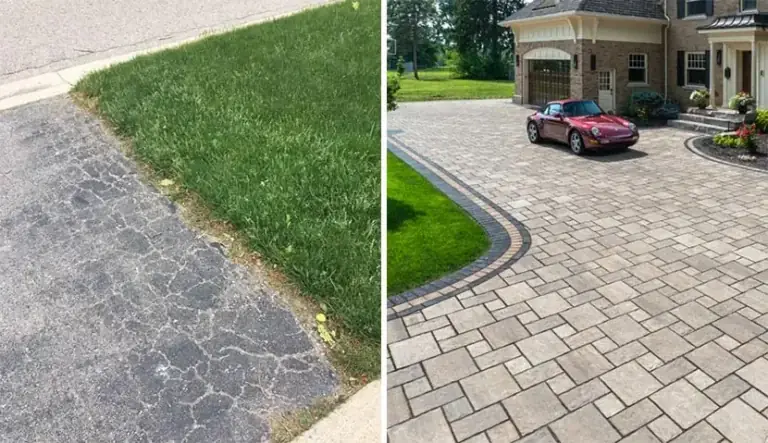
Poured concrete cracks permanently when the sub-base shifts, leaving ugly scars that require messy jackhammering and patching to fix. If an oil stain ruins a single paver or a tree root lifts a small section, you simply lift out the affected stones and reset them. This modular repair advantage is a major reason why many property owners conclude is a paver driveway worth it.
Edge restraint importance
Plastic or aluminum edge restraints screwed securely into the sub-base gravel prevent exterior paver stones from spreading outward under vehicle weight. If a contractor uses flimsy edging or skips stakes entirely, your driveway edges will start collapsing within months. Quality materials and proper edge anchoring dictate total surface longevity.
Surface traction performance
Textured paving stones provide exceptional slip resistance during heavy rainstorms and winter ice events compared to smooth sealed concrete slabs. This physical texture improves safety for walking and parking in wet weather climates. Consulting best fence brands guides and exterior supplier resources helps you coordinate complementary hardscape textures across your yard.
Curb Appeal and Property Resale Value
Boosting first impressions
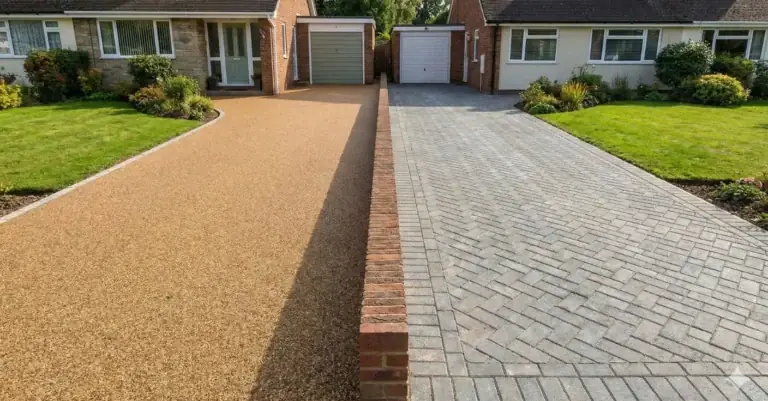
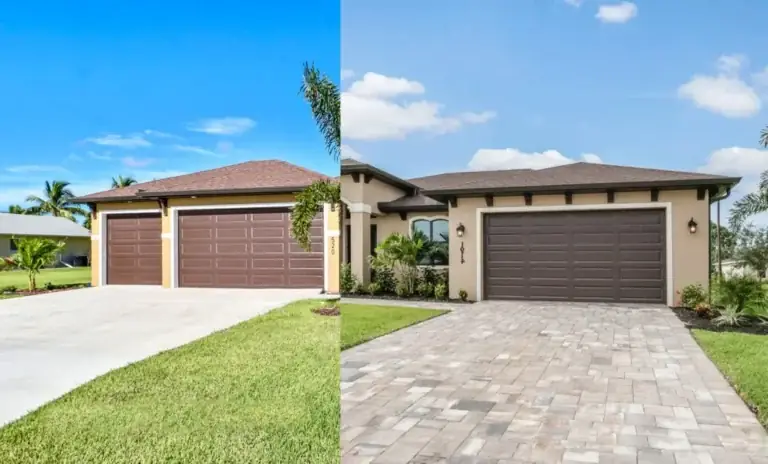
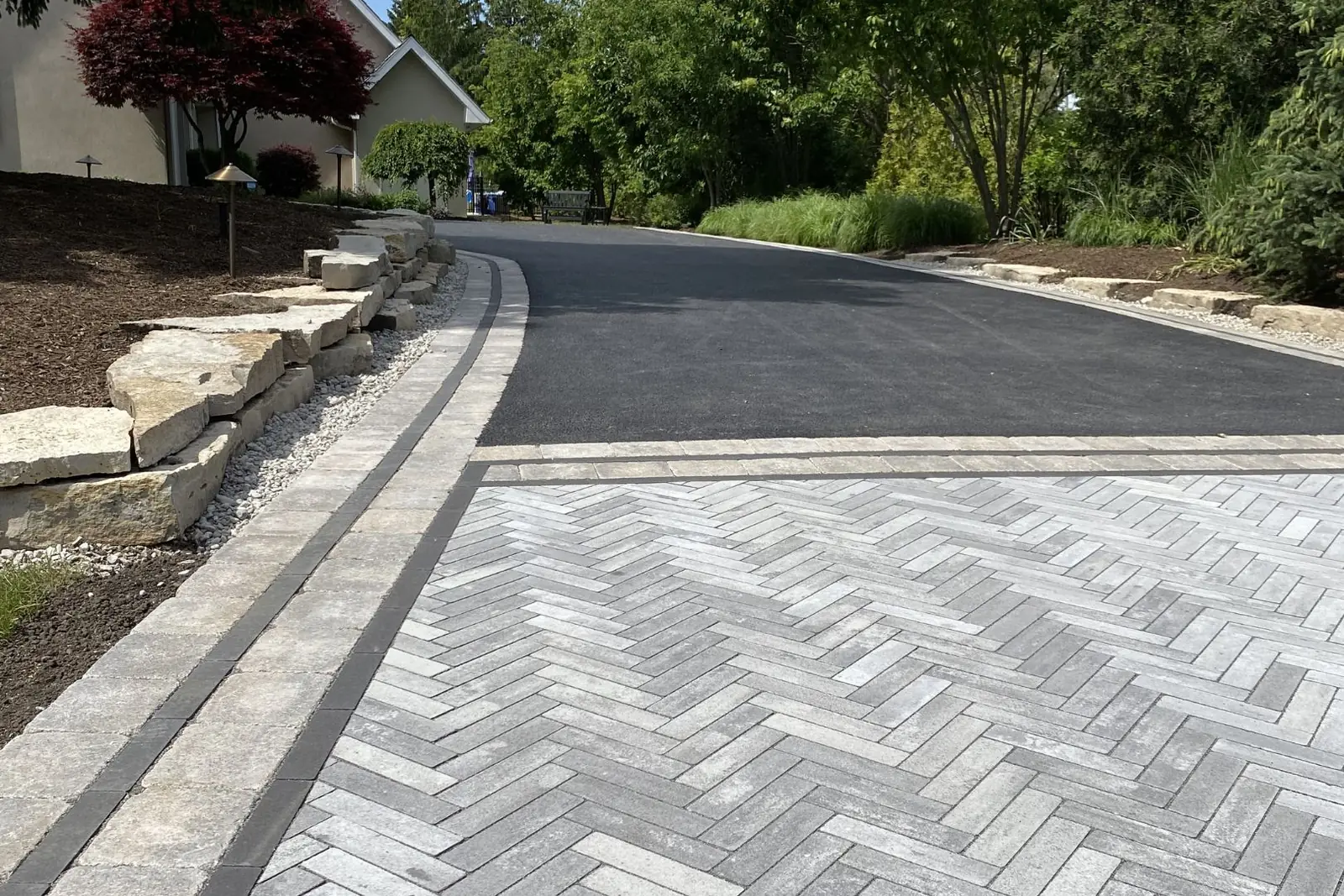
First impressions matter immensely when potential buyers pull up to your curb for an open house or scheduled property viewing. Interlocking stone driveways add rich texture, custom patterns, and upscale character that standard gray asphalt simply cannot match. This dramatic aesthetic upgrade catches the eye instantly.
Return on investment factors
Real estate experts note that high end hardscaping returns a substantial portion of its installation cost upon home resale. While municipal tax assessors rarely increase property evaluations based on driveway material alone, curb appeal accelerates home sales. Buyers appreciate exterior surfaces that do not show ugly spiderweb cracking.
Drainage efficiency perks
Permeable paver systems allow rainwater to filter directly down through stone joints into the sub-base rather than rushing into municipal storm drains. This natural percolation prevents dangerous puddles from forming near your garage entrance or walkway steps. Reading detailed fence company reviews can also connect you with multi-trade contractors who understand comprehensive property drainage design.
Color fading considerations
Quality concrete pavers feature pigments blended throughout the entire stone body rather than just painted on the top surface. Even after years of intense sun exposure and vehicle wear, quality stones retain their rich earthy tones. Choosing reputable manufacturers prevents premature fading and discoloration.
Frequently Asked Questions
Is a paver driveway worth it compared to poured concrete?
Yes, a paver driveway is often worth the extra cost because individual stones flex without cracking and allow for easy spot repairs if damage occurs. While initial installation costs are higher, pavers last for decades with minimal structural failure.
How much more expensive are pavers than asphalt?
Interlocking pavers typically cost thirty to fifty percent more than standard asphalt installations due to the intensive hand labor required for placement. However, pavers eliminate the need for frequent sealcoating every few years.
Can I park heavy trucks on an interlocking paver driveway?
Commercial delivery trucks and heavy passenger vehicles park safely on paver driveways as long as the contractor installed a thick, heavy-duty gravel sub-base. Proper base compaction is the key to supporting heavy weight loads.
How often do I need to replace polymeric sand in paver joints?
Polymeric sand in driveway joints typically lasts between three and five years depending on local weather conditions and pressure washing frequency. Sweeping in fresh sand when joints empty keeps weeds away.
Conclusion
Deciding whether is a paver driveway worth it comes down to balancing your immediate budget against your long term desire for durability and curb appeal. Paving stones demand a higher initial financial commitment, but their flexibility, easy spot repairs, and stunning appearance make them a fantastic investment. Take time to evaluate local contractor bids, check sub-base specifications, and schedule your paving project estimate today.