Driveway Pavement Vs Concrete: Costs, Lifespan, and Honest Advice
Comparing driveway pavement vs concrete is the exact headache I dealt with three summers ago when my old blacktop finally split right down the center. I spent weeks gathering quotes from local paving crews and concrete finishers before realizing these two materials behave completely differently under extreme heat and freezing winters. When you weigh driveway pavement vs concrete for your property, you have to look past the initial square-foot estimate and examine twenty years of upkeep.
Driveway Pavement Vs Concrete — Overview
Key facts to know first
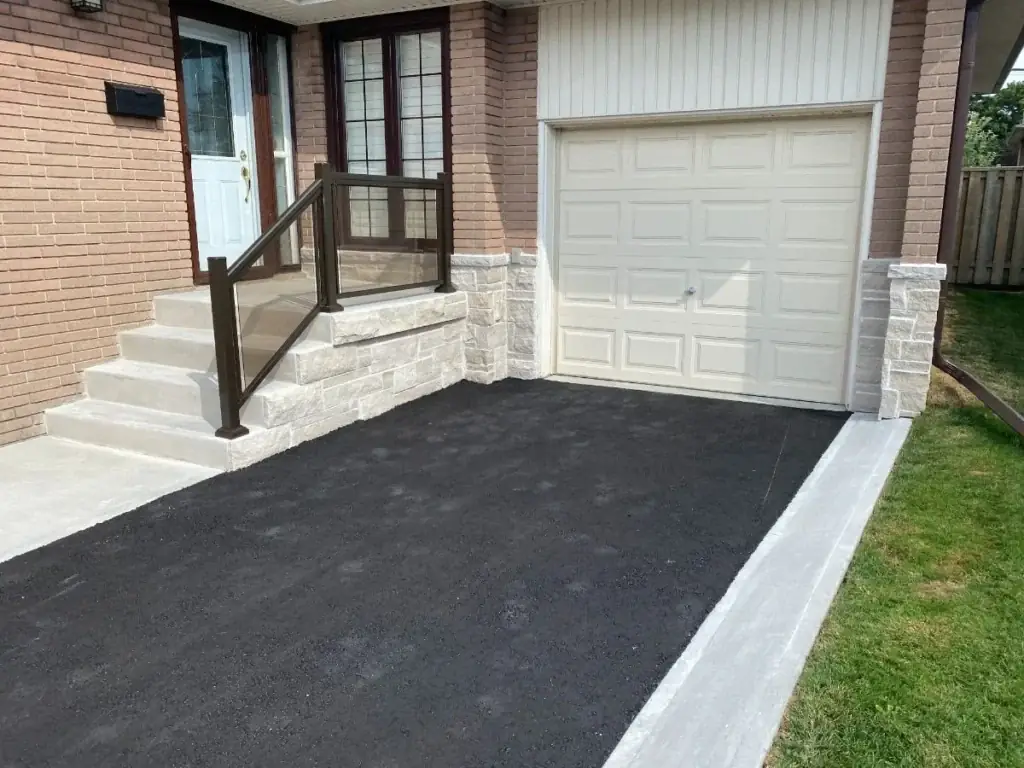
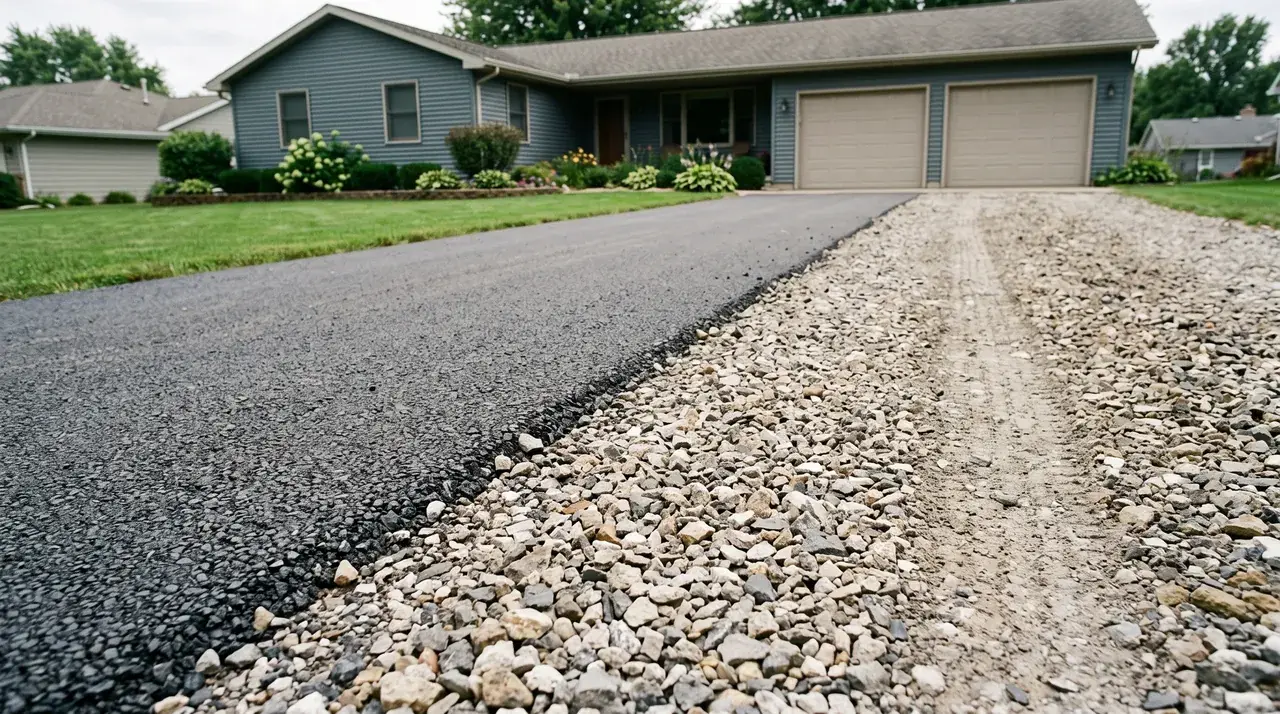
A direct driveway pavement vs concrete comparison pits flexible hot-mix asphalt against rigid, steel-reinforced cement slabs. Asphalt relies on petroleum bitumen binders that flex slightly with seasonal ground movement, while concrete cures into a hard monolithic surface through chemical hydration. Both options handle daily passenger vehicles well, though their curing times and price tags sit miles apart.
What most people get wrong
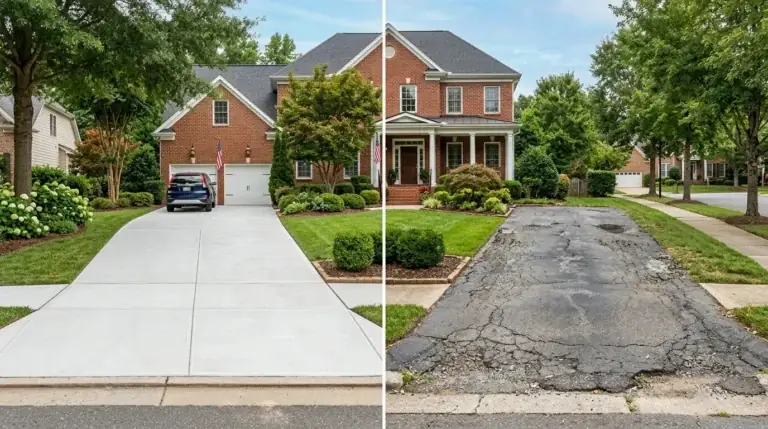
Homeowners frequently assume that poured concrete is completely maintenance-free and will never crack if the contractor pours it thick enough. In reality, rigid concrete slabs crack inevitably as soil shifts underneath them, and winter road salt pits unsealed surfaces within a few seasons. Meanwhile, asphalt lasts twenty years or more if you seal it on schedule rather than ignoring hairline cracks.
Sub-base compaction standards
According to residential pavement guidelines from the American Concrete Pavement Association, proper subgrade drainage and compacted aggregate thickness dictate the vast majority of any driveway’s lifespan. Whether you pick asphalt or concrete, crews must excavate unstable topsoil and compact at least four to six inches of crushed gravel in lifts. Skipping this foundational step guarantees sunken tire ruts and structural failure within two winters.
Vetting local trade crews
Finding an installer who takes base preparation seriously matters far more than picking decorative borders or premium sealers. You can check local trade feedback and fence contractor reviews to see how dependable exterior crews manage job sites, respect property lines, and stand behind their workmanship. Taking time to verify references protects you from fly-by-night operators.
Cost Breakdown and Long-Term Upkeep
Upfront installation costs
Hot-mix asphalt typically runs $7 to $15 per square foot installed in 2026, making it the clear budget winner for long suburban driveways. Standard broom-finished concrete costs $8 to $20 per square foot because crews must build wooden forms, tie wire mesh, and hand-finish the wet mix. For a standard 600-square-foot two-car driveway, you’ll spend roughly $4,200 to $7,800 for new asphalt compared to $4,800 to $12,000 for concrete.
Maintenance schedules and repair reality
Asphalt demands regular preventive care, while concrete requires occasional joint sealing and careful winter salt management. Here is what owning each surface actually looks like over a twenty-year stretch:
-
Asphalt upkeep: You must apply a coal-tar or asphalt-emulsion sealcoat every two to four years ($0.15 to $0.30 per square foot) and fill small cracks every spring before water freezes inside them.
-
Concrete upkeep: You’ll need to apply a penetrating silane-siloxane sealer every three to five years to stop moisture absorption and re-caulk expansion joints when they dry out.
-
Spot repairs: Patching sunken asphalt costs $2 to $5 per square foot and blends in after sealcoating, while repairing a cracked concrete panel requires noisy jackhammering and pouring a bright gray patch that never matches.
Summer heat and winter salt impact
Dark blacktop absorbs intense summer sunlight, softening enough that sharp motorcycle kickstands or heavy trailer jacks can leave permanent dents in July. Concrete stays noticeably cooler underfoot and resists softening during heat waves, though chemical de-icers will scale and flake the top surface during freezing winters. Matching your surface choice to your regional weather prevents premature wear.
Coordinating exterior materials
Your driveway takes up a huge visual footprint in front of your house, so its finish should work with your fencing, siding, and walkways. Browsing best fence brands and hardscape pairing guides helps you coordinate warm concrete tones or crisp blacktop edges with your perimeter fencing. Thoughtful material coordination instantly makes an older property look custom-built.
Lifespan, Curb Appeal, and Weather Performance
Durability and resale value
A well-maintained asphalt driveway typically lasts 15 to 20 years before needing a mill-and-overlay resurfacing. Quality concrete slabs regularly last 25 to 40 years when poured with proper control joints and air-entrained mixes. Real estate appraisers note that clean, crack-free concrete adds classic curb appeal, whereas freshly sealed blacktop gives a tidy, crisp contrast against green lawns.
Curing times and daily convenience
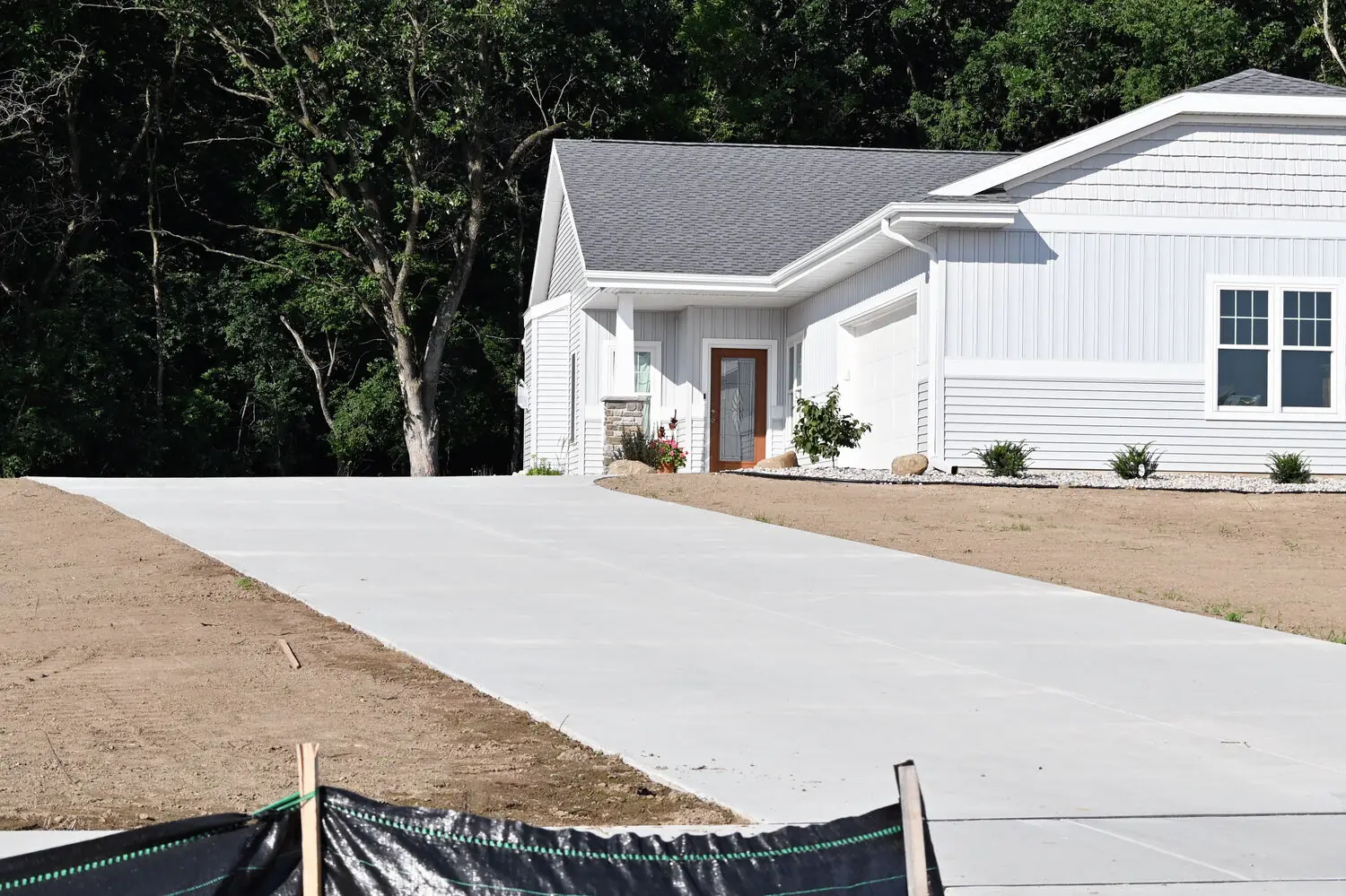
You can park passenger cars on a new asphalt driveway within two to three days of installation because blacktop hardens simply by cooling down. Fresh concrete requires at least seven days of curing before supporting regular cars, and heavy delivery trucks must stay off for two full weeks. If you have limited street parking in your neighborhood, that faster turnaround time makes asphalt much easier to live with during construction.
Snow removal and surface traction
Shoveling snow off smooth asphalt is effortless, and the dark surface absorbs winter sunlight to melt lingering ice patches faster. Smooth troweled concrete turns slick during freezing drizzle, which is why finishers always drag a stiff broom across fresh slabs for tire and foot grip. Both materials handle standard residential snowblowers easily once fully cured.
Comprehensive yard drainage planning
Regrading a driveway often changes how rainwater flows toward your side yard, retaining walls, and gate posts. Reading detailed fence company reviews can connect you with experienced exterior contractors who understand how proper yard grading prevents water pooling and frost heave across your entire property. Addressing drainage slopes during excavation protects both your hardscaping and your home foundation.
Frequently Asked Questions
Which is cheaper in driveway pavement vs concrete over 30 years?
Asphalt costs roughly 30 percent less upfront, but it usually requires one full resurfacing around year 18 plus regular sealcoating. Over a 30-year span, total ownership costs end up nearly identical, making concrete cheaper if you stay in your home for decades and asphalt cheaper if you move within 10 years.
How long does concrete take to cure before I can drive on it?
New concrete needs at least seven days before supporting standard passenger cars and 14 days before handling heavy pickup trucks or delivery vans. Driving on green concrete too early causes permanent tire scuffing and structural cracking.
Can you put asphalt pavement directly over an old concrete driveway?
Yes, contractors can lay an asphalt overlay for $3 to $7 per square foot if the underlying concrete slab is structurally sound and free of major heaving. However, existing cracks in the concrete below will eventually reflect upward through the new blacktop layer.
Which driveway surface handles winter road salt better?
Asphalt handles road salt and chemical de-icers far better because petroleum binders do not react with chlorides. Road salt penetrates unsealed concrete pores and causes the top layer to flake and pit during freeze-thaw cycles.
Conclusion
Settling the driveway pavement vs concrete debate comes down to balancing your upfront renovation budget against long-term durability and regional weather demands. Asphalt delivers fast installation, winter salt resistance, and lower initial pricing, while concrete offers a 30-year lifespan, cool summer surfaces, and customizable finishes. Measure your driveway square footage, gather three itemized bids that specify exact gravel base depths, and schedule your local contractor consultation today.