Top Rated Driveway Paving: What Separates Real Quality from Cheap Bids
Tracking down top rated driveway paving contractors became my main obsession two springs ago after a low-bid crew left my neighbor’s new asphalt rippling like washboard gravel within six months. On paper, every paving estimate looks pretty much the same until you inspect the equipment sitting on their flatbed trailers and read the fine print on sub-base compaction. If you’re shopping for top rated driveway paving services in 2026, knowing which technical details to demand upfront will save you from a five-figure headache.
Top Rated Driveway Paving — Overview
Key facts to know first
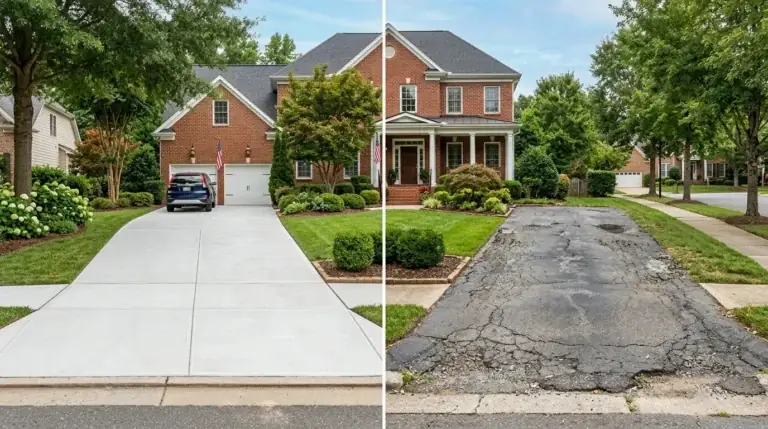
Getting top rated driveway paving results relies far more on underground soil preparation than on the blacktop, concrete, or stone pavers you see on top. Established residential pavers excavate organic topsoil completely, install six to eight inches of crushed aggregate base, and compact it in separate layers with heavy vibratory rollers. Without that rigid underground foundation, even the most expensive surface mix will sink under SUV tires during the first spring thaw.
What most people get wrong
Homeowners often pick a paving contractor based purely on who offers the lowest square-foot price or the fastest start date. In reality, fly-by-night crews cut costs by skimming asphalt thickness down to an inch and a half or dumping hot mix directly over uncompacted dirt. You cannot fix a weak sub-base with extra sealer later, so paying slightly more for proper excavation always wins out.
Compaction and material thickness specs
According to residential pavement standards published by the National Asphalt Pavement Association, residential asphalt driveways require at least two to three inches of compacted hot-mix asphalt over a solid crushed stone base. Concrete driveways need a minimum four-inch slab thickness reinforced with steel wire mesh or rebar, while interlocking pavers demand six inches of compacted base aggregate. Always verify these exact depth numbers in writing before signing a contract.
Checking local contractor credentials
Reputable exterior contractors carry active state licensing, general liability insurance, and verifiable local addresses rather than working out of unmarked pickup trucks. You can read detailed local trade feedback and fence contractor reviews to see how dependable exterior crews manage job sites, protect surrounding lawns, and honor their workmanship guarantees. Checking three recent residential references tells you everything about how a company treats homeowners.
Comparing Paving Materials and 2026 Costs
Popular driveway surfaces compared
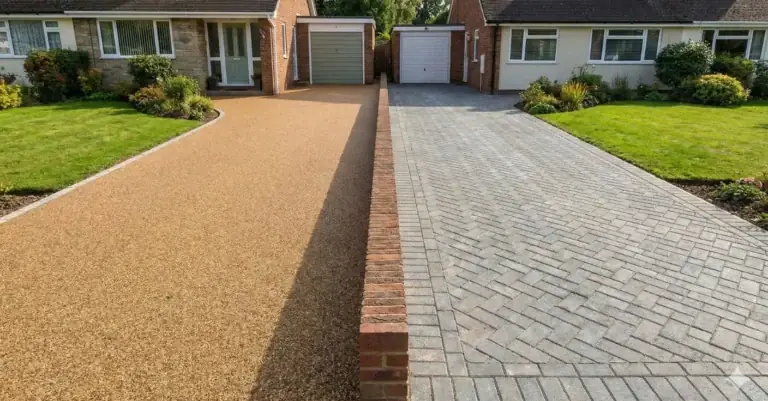
Choosing the right material comes down to balancing your upfront renovation budget against how much seasonal upkeep you’re willing to handle. Here is what top-performing residential paving options cost installed per square foot in 2026:
-
Hot-mix asphalt ($7 to $15 per sq. ft.): Cures within three days, flexes well during freezing winters, and handles road salt easily, though it needs sealcoating every two to four years.
-
Broom-finished concrete ($8 to $20 per sq. ft.): Lasts 30 years or more with minimal routine care, stays cool in summer, and boosts classic curb appeal if poured with proper control joints.
-
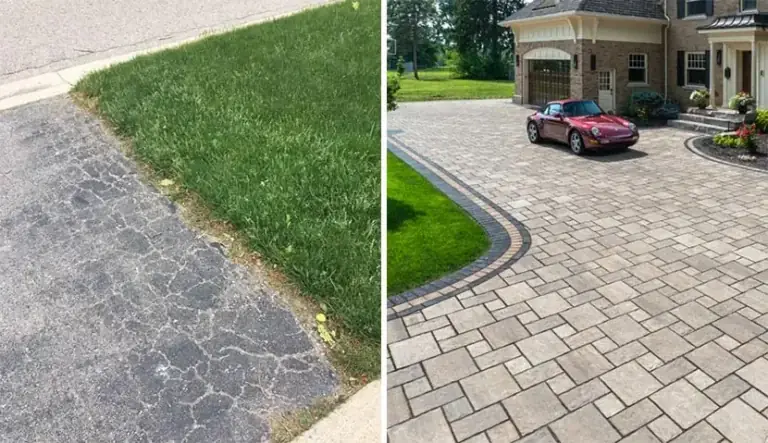
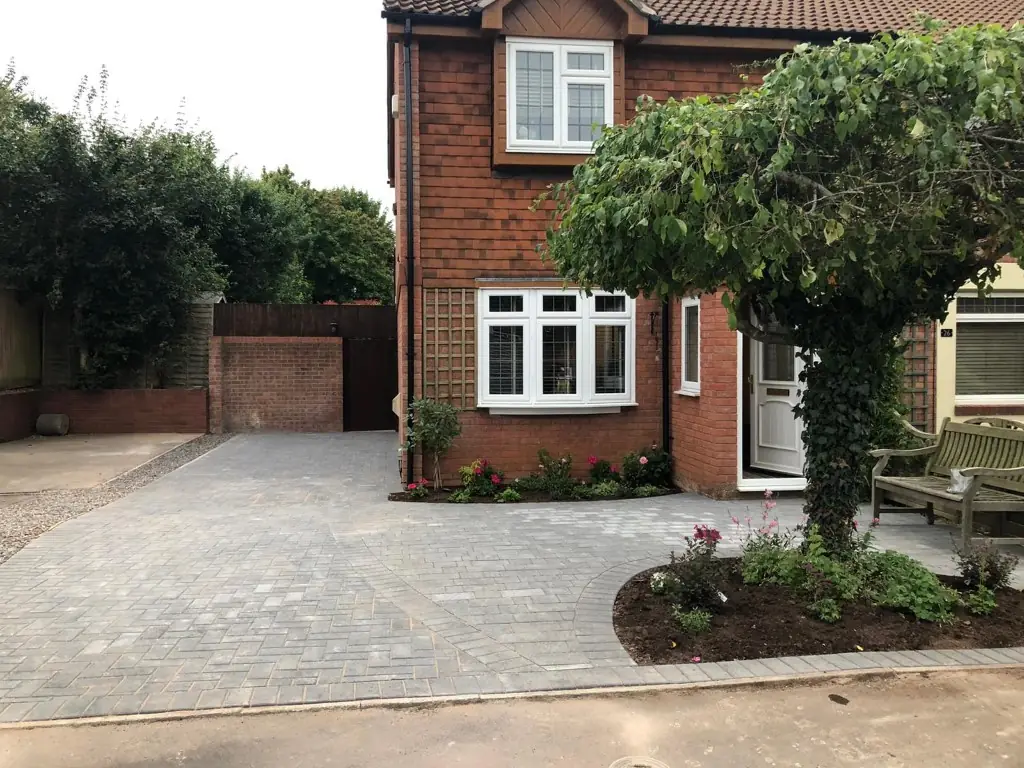
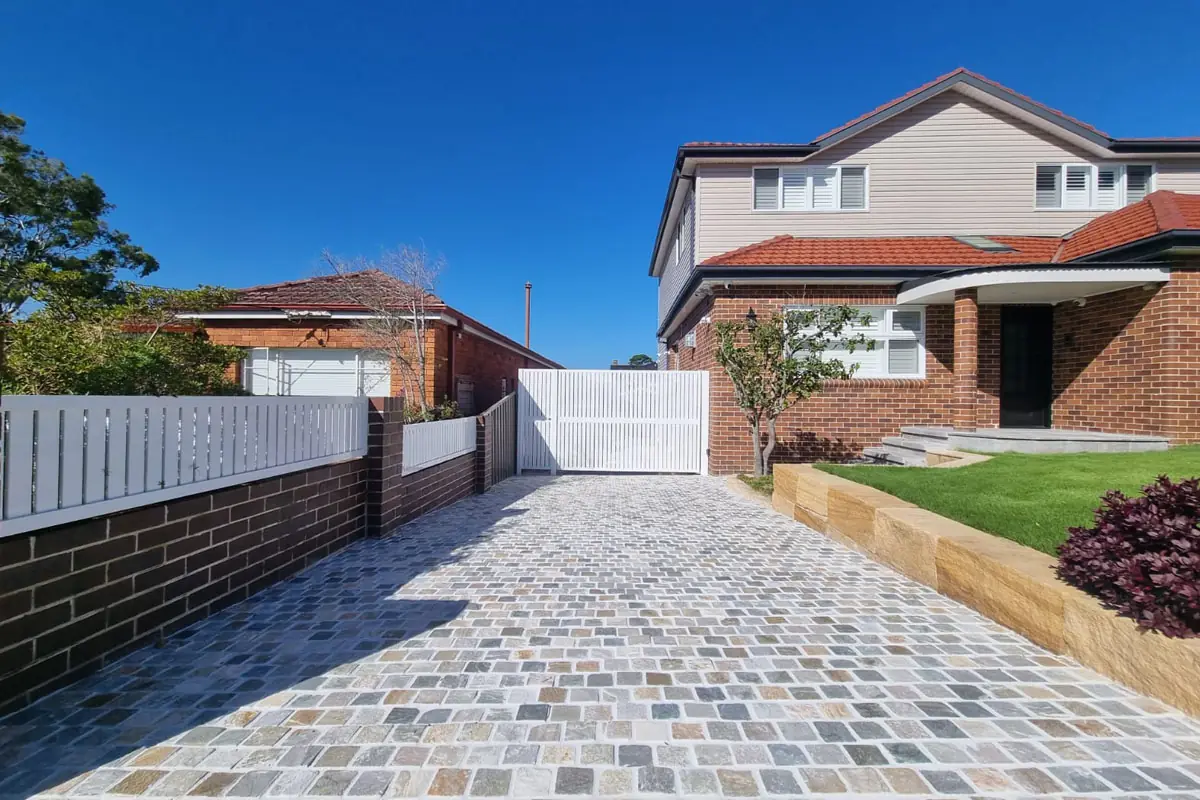
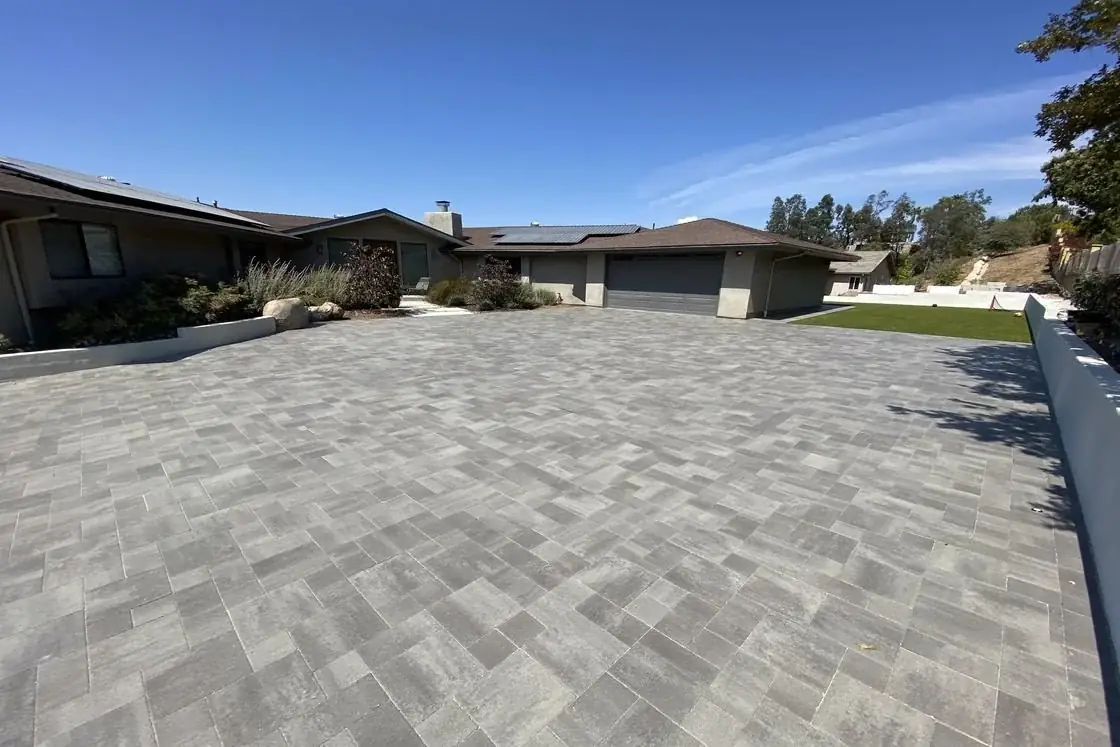
Interlocking concrete pavers ($15 to $30 per sq. ft.): Offers unmatched design versatility and allows individual stones to be lifted and re-leveled if tree roots or frost ever shift the ground.
Understanding hidden quote extras
A suspiciously cheap paving quote almost always leaves out expensive site-work items that show up later as surprise change orders. Make sure every written bid clearly includes old pavement haul-away fees, municipal apron permits, edge restraint installation, and topsoil restoration along the edges. Comparing itemized line items lets you judge competing bids on an equal footing.
Drainage slope engineering
Standing puddles destroy driveways fast by seeping into tiny pores and expanding when temperatures drop below freezing. Experienced paving crews use laser transit levels to establish a consistent quarter-inch-per-foot runoff slope away from your garage door and house foundation. Proper surface grading eliminates icy winter patches near walkways.
Matching exterior hardscaping
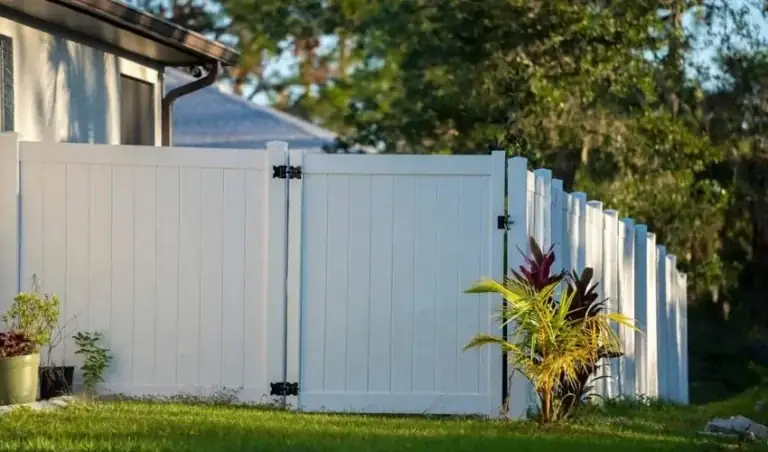
Your driveway covers a huge visual area in front of your property, so its texture and edge borders should coordinate with your yard perimeter. Browsing best fence brands and exterior design guides helps you pair clean concrete curbing or tumbled paver borders with wood, vinyl, or aluminum fencing. Cohesive material choices make the entire front yard look thoughtfully planned.
Spotting Red Flags and Protecting Your Investment
Warning signs of paving scams
Door-to-door crews claiming they have “leftover asphalt from a highway job down the street” represent the oldest scam in the paving industry. Legitimate contractors calculate exact tonnage for each scheduled job and never knock on doors offering sudden cash discounts. Walk away immediately from anyone demanding full payment upfront or refusing to provide a written multi-year warranty.
Post-installation care and longevity
Even the best paving installation needs basic protection during its first few weeks on your property. Keep heavy delivery trucks off fresh concrete for 14 days, and avoid turning your steering wheel while parked on brand-new asphalt during hot July afternoons. Simple early habits prevent permanent tire scuffs and edge crumbling.
Edge restraint and apron reinforcement
The outer edges of a driveway take the heaviest stress whenever a tire accidentally slips off onto soft lawn turf. Top paving crews reinforce asphalt edges with compacted bevels or Belgium block curbing, while paver installers spike rigid aluminum or plastic edge restraints every twelve inches. Strong perimeter support keeps your driveway lines crisp for decades.
Multi-trade property drainage
Regrading a driveway frequently alters how stormwater flows toward side yards, retaining walls, and gate posts. Reading detailed fence company reviews can connect you with seasoned exterior contractors who understand how comprehensive yard grading prevents water pooling and frost heave across your entire lot. Solving drainage issues during excavation protects every exterior structure you own.
Frequently Asked Questions
What should I look for when hiring top rated driveway paving companies?
Verify active state licensing, direct insurance certificates, a physical business address, and written guarantees specifying exact gravel base and surface thicknesses. Always check references from projects completed at least two years ago to see how their work holds up through winter weather.
How thick should a residential asphalt driveway be?
A durable residential asphalt driveway requires at least two to three inches of compacted hot-mix asphalt laid over six to eight inches of compacted crushed stone aggregate. Anything thinner risks cracking and sinking under heavy SUVs or pickup trucks.
When is the best time of year to pave a driveway?
Late spring through early autumn provides ideal warm ambient temperatures so hot-mix asphalt compacts properly and concrete cures evenly without freezing. Paving in freezing weather causes asphalt to cool too fast before rollers can achieve proper density.
How much deposit is normal for a driveway paving project?
Reputable paving contractors typically ask for a 10 to 30 percent deposit to schedule your job and order raw materials, with the balance due upon completion. Never pay 50 percent or more upfront before excavation equipment arrives on your property.
Conclusion
Hiring top rated driveway paving professionals comes down to verifying underground base specs, demanding itemized contracts, and avoiding suspiciously cheap door-to-door bids. Whether you pick budget-friendly hot-mix asphalt, long-lasting concrete, or custom interlocking pavers, proper sub-base compaction determines how well your driveway survives decades of traffic. Measure your driveway dimensions, request three detailed written estimates from licensed local crews, and book your site inspection today.