Fence Brands Compared: Choosing the Best Options for Your Property
Choosing fence brands is the first step most homeowners take when they want to secure their yard, keep pets safe, or boost property value. I spent years dealing with warped wood, rusted chain link, and flimsy panels before realizing that the manufacturer matters just as much as the material you choose. When you start researching fence brands, you quickly notice that marketing promises sound identical across the board, but real world performance tells a very different story.
Fence Brands — Overview
Key facts to know first
Fence brands dictate your warranty length, material thickness, and how well your yard holds up against heavy windstorms or freezing winters. Major manufacturers usually separate their product lines into DIY consumer tiers and professional grade builder series. When you evaluate different fence brands, look closely at rail thickness and post reinforcement rather than just the exterior finish.
What most people get wrong
Buyers often assume that a higher price tag guarantees a lifetime of zero maintenance. In reality, even top tier fence brands require basic upkeep, and installation errors will void your warranty faster than ordinary wear and tear. You cannot rely on brand reputation alone if the installer cuts corners on post depth or concrete mixing.
Checking manufacturer warranties
Warranties from leading fence brands frequently sound bulletproof until you read the fine print regarding labor costs and fading. Most companies cover raw material defects for decades, but you still pay out of pocket if a storm rips the panels down. Understanding these limitations protects you from surprise repair bills down the road.
Sourcing contractor recommendations
Professional installers often prefer specific fence brands because local distributors stock replacement parts easily. If your contractor suggests a niche manufacturer, ask them how they handle warranty claims when a supplier goes out of business. You can read detailed contractor experiences and fence contractor reviews to see which products local crews actually trust on real jobs.
Evaluating Vinyl and Composite Options
The appeal of low maintenance
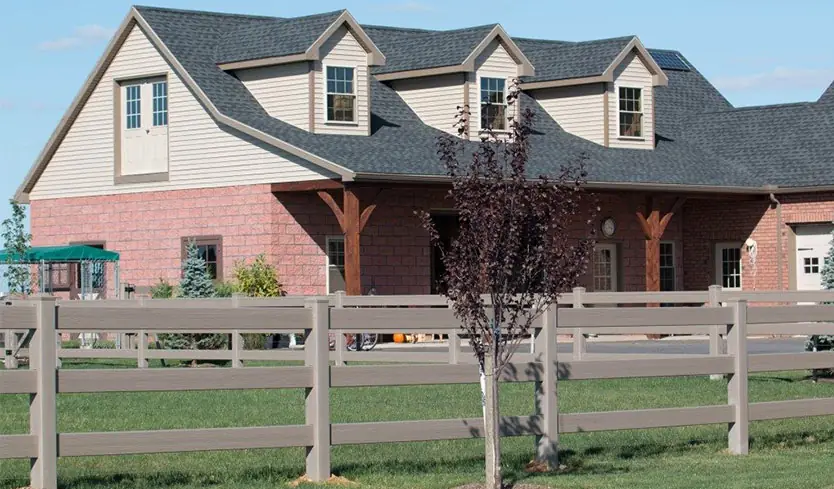
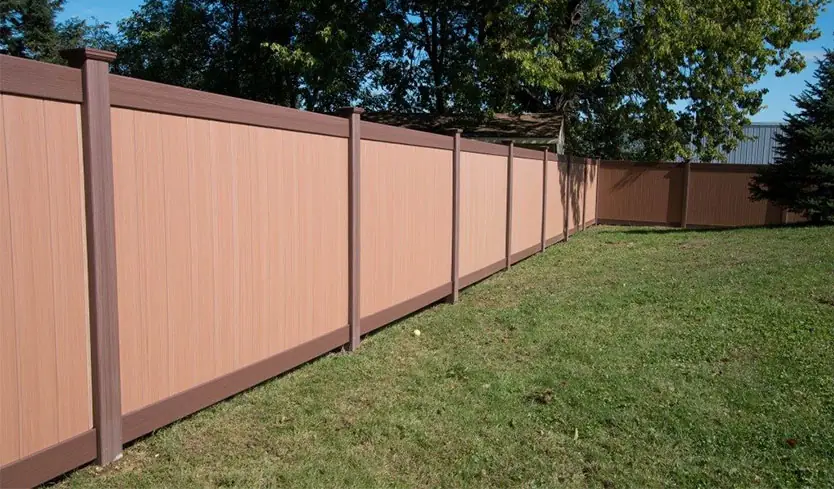
Vinyl and composite fence brands promise weekends free of staining, painting, and board replacement. Busy homeowners love materials that wash clean with a simple garden hose and mild soap. However, cheaper vinyl products can yellow or become brittle after a few seasons under intense summer UV rays.
Structural integrity differences
Wall thickness defines whether a vinyl rail will sag under heavy snow loads or high wind pressure. Premium manufacturers use thicker extrusion profiles and internal aluminum channel inserts inside the bottom rail. Comparing these specs side by side helps you separate commercial grade fence brands from flimsy residential alternatives.
Impact resistance testing
Composite materials blend wood fibers and recycled plastics to create a rigid board that handles accidental lawnmower bumps. The American Society for Testing and Materials publishes standard test protocols for impact resistance that reputable fence brands use to rate their products. Checking these certified ratings gives you a realistic benchmark before you buy.
Color retention factors
Cheaper plastic compounds fade unevenly when exposed to direct sunlight for multiple years. Top manufacturers integrate titanium dioxide into their resin mixtures to block harmful UV degradation. Reading honest fence company reviews helps you see how specific color lines hold up after five or ten years in real neighborhoods.
Wood and Metal Selections
Natural wood product lines
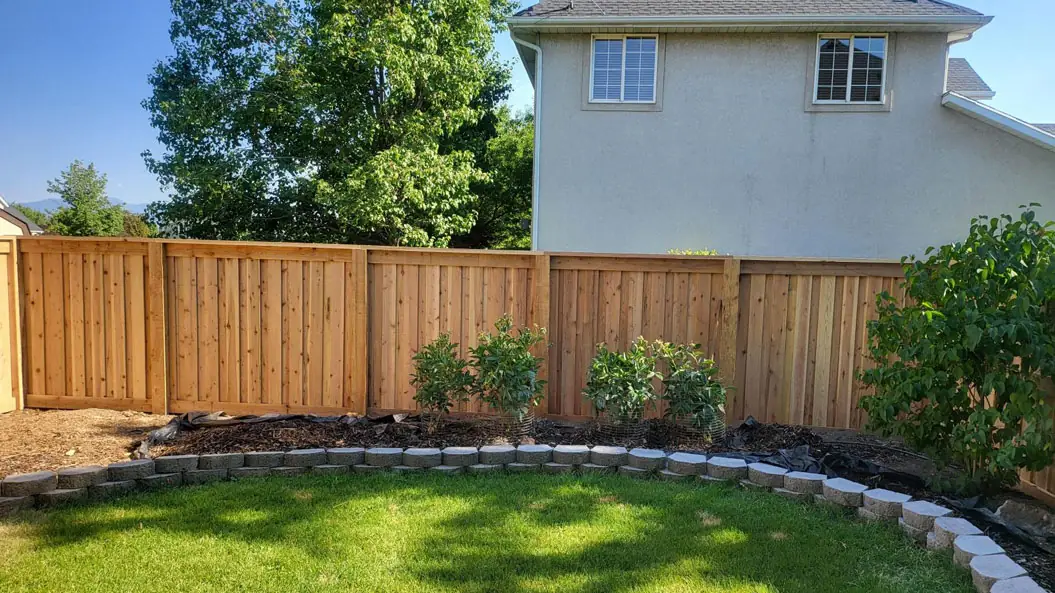
Cedar and redwood suppliers rely heavily on grading standards from organizations like the Western Red Cedar Lumber Association. Selecting the right lumber grade prevents premature rotting, warping, and insect damage in humid climates. Many regional fence brands source sustainable timber, but you must still apply a protective sealer every couple of years.
Aluminum and steel manufacturing
Metal fence brands offer classic wrought iron aesthetics without the constant rust management required by traditional steel. Powder-coated aluminum panels resist corrosion naturally, making them ideal for pool enclosures and coastal properties. Steel options remain the heavy duty choice for commercial security, though they demand prompt touch-ups if the coating chips.
Powder coating quality
The longevity of any metal fence depends entirely on the electrostatic powder coating application process. Inferior coatings peel away from the metal substrate within a few winters, allowing rust to spread rapidly underneath. Look for manufacturers that use multi-stage pre-treatments and certified architectural grade powders.
Post anchoring methods
Metal fence panels require precise post spacing and secure concrete footings to prevent shifting during freeze-thaw cycles. If posts wobble even slightly upon installation, the entire fence line loses structural rigidity over time. Consulting the best fence brands guide provides additional context on which manufacturers include heavy duty mounting hardware standard.
Frequently Asked Questions
Which fence brands offer the best warranty protection?
Manufacturers like Bufftech and Jerith provide robust lifetime limited warranties covering peeling, flaking, and major structural defects. Always verify whether the warranty transfers to a new owner if you sell your home.
Are professional grade fence brands worth the extra cost?
Professional grade materials feature thicker walls, superior UV inhibitors, and sturdier locking mechanisms than big-box retail alternatives. They withstand severe weather much better and require fewer repairs over their lifespan.
How do I verify a fence manufacturer’s reputation?
Look for independent industry certifications, Better Business Bureau ratings, and feedback from licensed contractors who install these products daily. Real world performance reviews from long term users offer the most reliable insights.
Can I install premium fence brands myself?
Many top manufacturers sell direct to consumers, but professional installation ensures your warranty remains valid. DIY installation requires precise post alignment, heavy digging equipment, and adherence to local zoning laws.
Conclusion
Selecting the right fence brands requires balancing your aesthetic goals, local climate challenges, and maintenance budget. Taking time to inspect material thickness, fastener quality, and warranty terms prevents costly mistakes and protects your property investment for decades. If you are ready to move forward, contact a trusted local installer to discuss product availability and schedule your project estimate today.