Driveway Vs Pavement: Understanding Terms, Costs, and Material Choices
Sorting out driveway vs pavement terminology is the exact mix-up I ran into when gathering contractor bids for my property renovation three years ago. Homeowners often use these words interchangeably, yet local municipalities, concrete finishers, and asphalt crews define them very differently on project estimates. When you examine driveway vs pavement specifications closely, you quickly realize that knowing the difference saves you from costly miscommunication and surprise permit fees.
Driveway Vs Pavement — Overview
Key facts to know first
A clear driveway vs pavement breakdown comes down to function versus material construction. A driveway is the specific private access road connecting a public street to your garage or parking pad, whereas pavement refers to the durable hard surface layer applied over a compacted sub-base. You can build a residential driveway out of loose gravel, grass pavers, or dirt, meaning not every driveway actually uses engineered pavement.
What most people get wrong
Many property owners assume that “pavement” strictly means blacktop asphalt, while “driveway” implies poured concrete. In truth, civil engineers and paving contractors classify poured concrete, hot-mix asphalt, interlocking stone pavers, and chip seal all as forms of pavement. Confusing the functional layout of your access lane with the structural surface material leads to inaccurate quotes when calling local contractors.
Municipal right-of-way boundaries
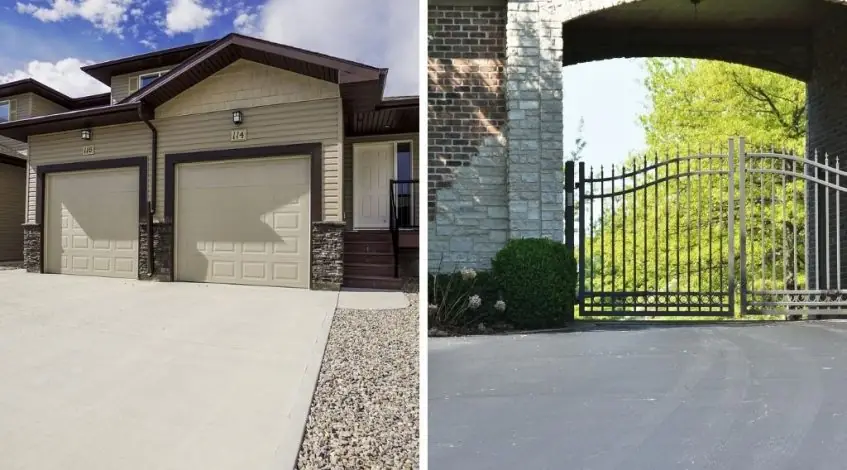
Your private driveway almost always crosses a public sidewalk or municipal right-of-way apron before meeting the street. Local building codes frequently mandate specific concrete thickness for that street apron even if you choose asphalt or gravel for the rest of your yard. Checking city zoning rules before excavation prevents failed inspections and mandatory tear-outs.
Vetting local trade crews
Finding an installer who understands both local apron codes and residential grading standards protects your budget from costly rework. You can check local trade feedback and fence contractor reviews to see how dependable exterior crews manage job sites, respect property lines, and honor their workmanship guarantees. Taking time to verify references keeps your project on schedule.
Popular Surfacing Options and Installation Costs
Comparing paved vs unpaved driveways
Paved driveways use engineered surfaces like asphalt, concrete, or interlocking brick to eliminate dust, mud, and winter snow-plowing headaches. Unpaved driveways rely on crushed limestone, pea gravel, or decomposed granite, costing roughly $1 to $3 per square foot installed. While gravel saves thousands upfront, it demands annual raking and fresh stone deliveries every few years.
Breaking down paved surface costs
If you decide to install engineered pavement on your driveway, upfront pricing varies wildly depending on the material and local labor rates:
-
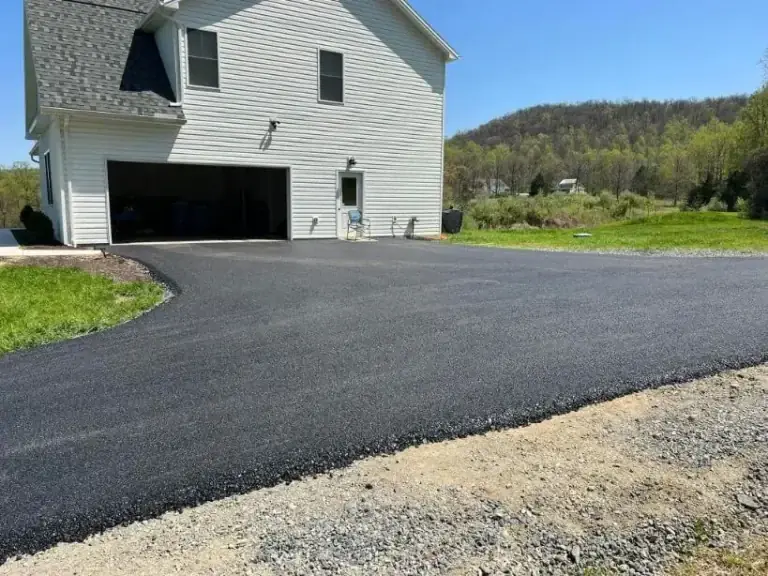
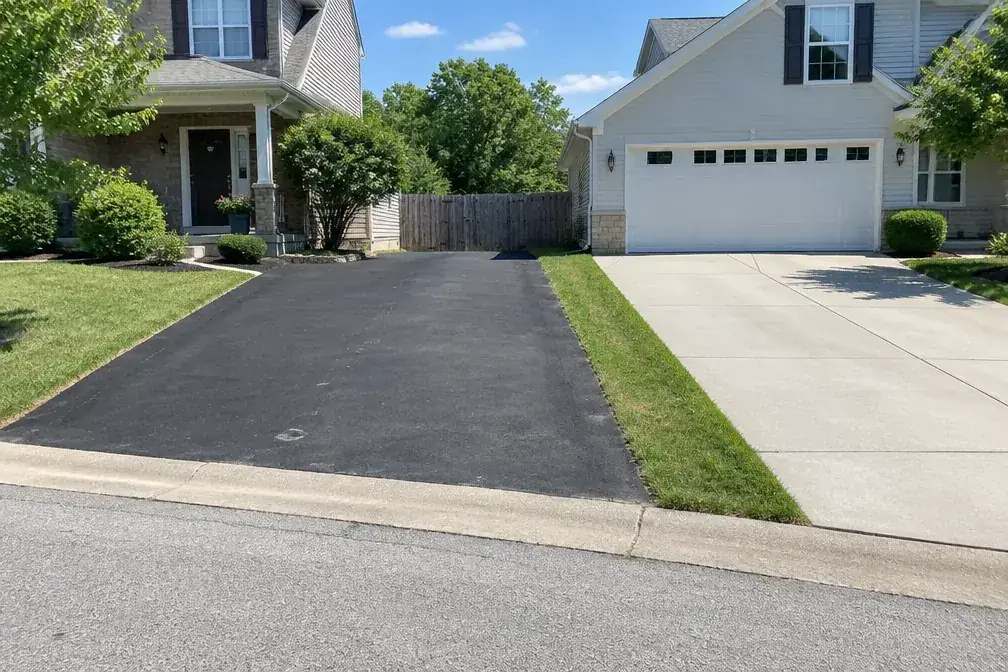
Hot-mix asphalt: Runs $7 to $15 per square foot in 2026, curing quickly within three days and flexing well during freezing winters.
-
Broom-finished concrete: Costs $8 to $20 per square foot, offering a rigid 30-year lifespan with minimal seasonal maintenance.
-
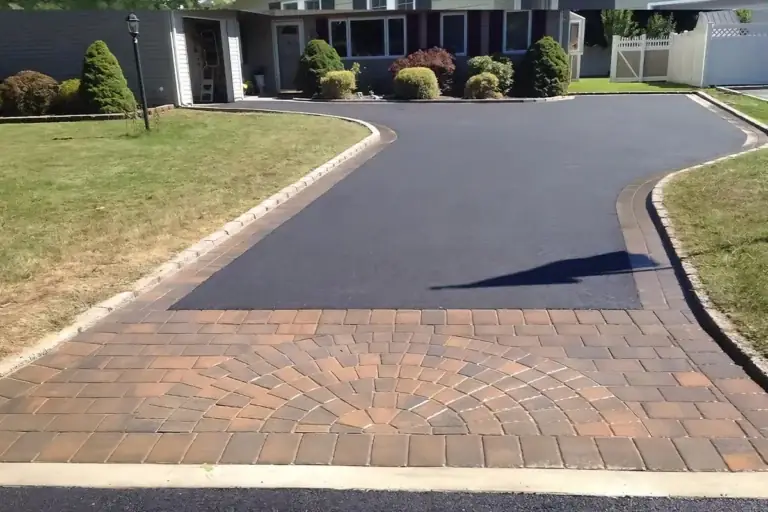
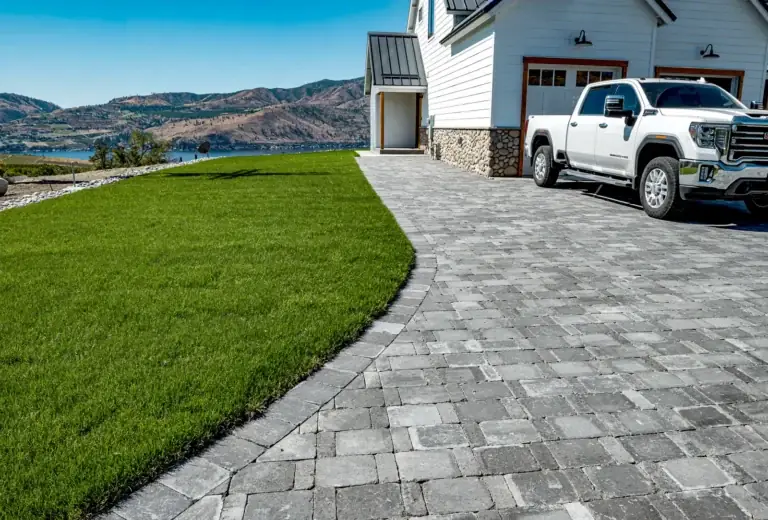
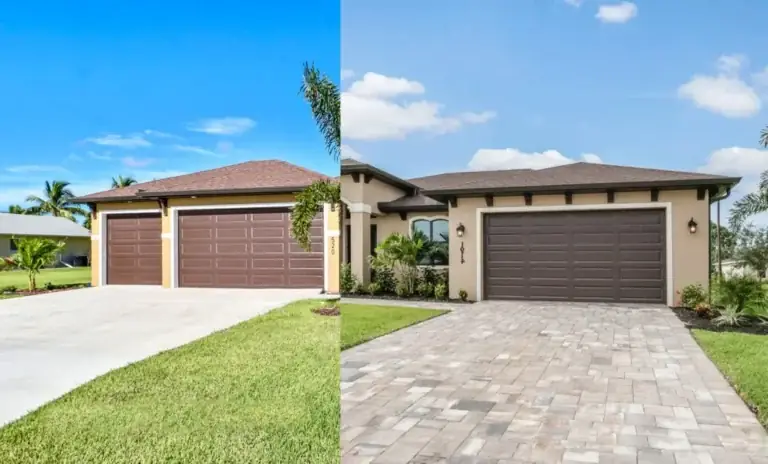
Interlocking pavers: Commands $15 to $30 per square foot due to intensive hand-laying labor, delivering easy spot repairs and high curb appeal.
Sub-base thickness and soil prep
According to residential construction standards published by the National Asphalt Pavement Association, proper subgrade drainage and compacted aggregate thickness dictate the vast majority of any paved surface’s lifespan. Crews must excavate unstable organic topsoil and compact at least six inches of crushed stone before laying any surface material. Skipping base compaction guarantees sunken tire ruts within two seasons.
Coordinating exterior hardscaping
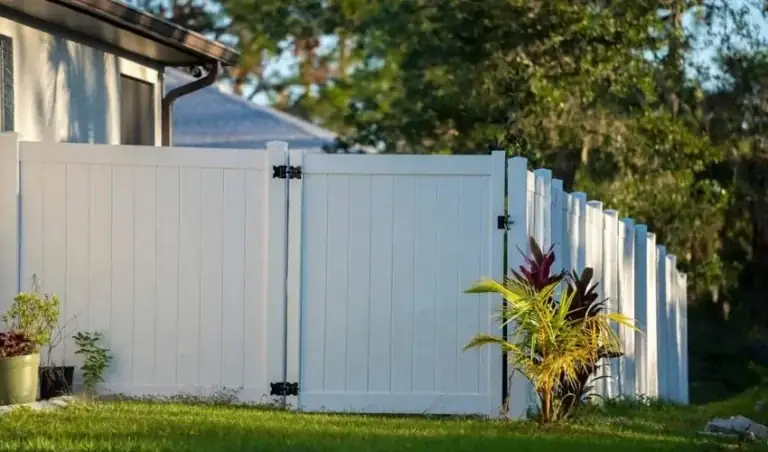
Your driveway takes up a massive visual footprint in front of your house, so its finish should complement your perimeter fencing and walkways. Browsing best fence brands and exterior pairing guides helps you match warm stone pavers or clean concrete edges with wood or vinyl fencing. Thoughtful material coordination instantly makes an older property look custom-built.
Durability, Maintenance, and Drainage Planning
Lifespan expectations by material
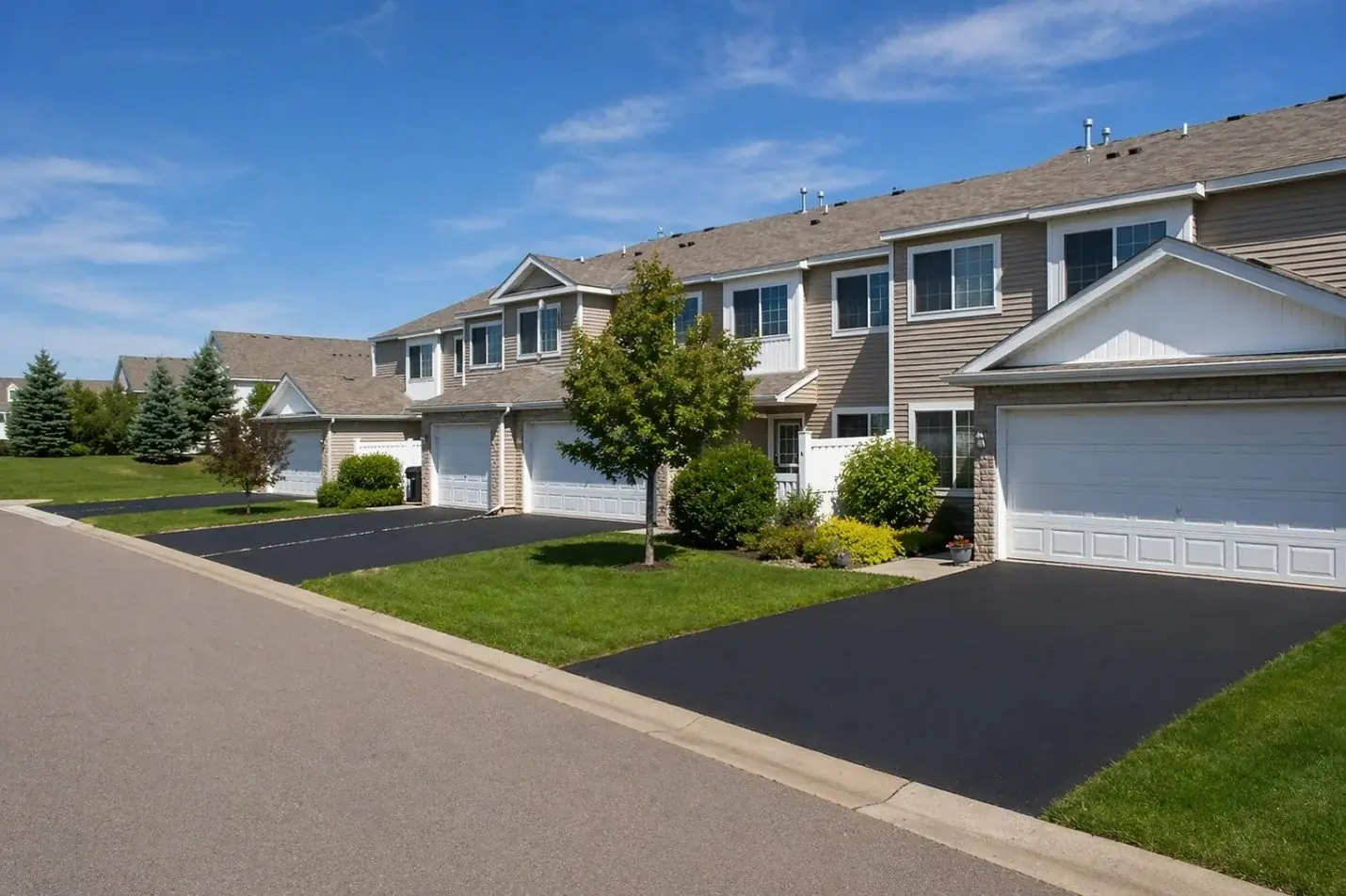
An unpaved gravel driveway can last indefinitely if you top it off every three years, though weeds and ruts remain constant annoyances. Asphalt pavement typically lasts 15 to 20 years with regular sealcoating, while reinforced concrete slabs and interlocking pavers regularly endure 30 to 40 years. Matching your expected length of homeownership to the material lifespan ensures you get strong value for your money.
Winter upkeep and water runoff
Shoveling snow off smooth asphalt or concrete pavement is effortless compared to accidentally scooping expensive gravel onto your front lawn every January. Engineered pavement also directs rainwater cleanly toward storm drains when graded properly, whereas poorly maintained gravel develops muddy potholes during spring thaws.
Preventing apron cracking
The transition joint where your private driveway meets the municipal street pavement takes a daily beating from heavy delivery trucks and garbage collection vehicles. Pouring a thickened concrete edge or installing heavy-duty steel edging stops tires from crumbling the outer perimeter. Asking your contractor about edge reinforcement adds years of life to high-traffic entry points.
Comprehensive yard grading
Regrading an access lane often changes how rainwater flows toward your side yard, retaining walls, and gate posts. Reading detailed fence company reviews can connect you with experienced exterior contractors who understand how proper yard drainage prevents water pooling and frost heave across your entire property. Addressing runoff slopes during initial excavation protects both your hardscaping and your home foundation.
Frequently Asked Questions
What is the main difference in driveway vs pavement definitions?
A driveway is the private access path leading from the street to your garage or parking area, while pavement is the engineered hard surface layer (such as asphalt, concrete, or stone pavers) placed on top of it. A driveway can be unpaved gravel or dirt, whereas pavement always refers to a constructed hard surface.
Is asphalt considered pavement or concrete?
Asphalt is a type of flexible pavement made from stone aggregate bound together with liquid petroleum bitumen. Both hot-mix asphalt and poured Portland cement concrete fall under the broader engineering category of pavement.
Does paving a gravel driveway increase property taxes?
Replacing loose gravel with permanent asphalt or concrete pavement rarely triggers an immediate property tax reassessment on its own, though local rules vary by county. However, paved driveways consistently boost home resale appeal and buyer confidence.
Do I need a city permit to pave an existing dirt driveway?
Most municipalities require a right-of-way or zoning permit when you convert a dirt or gravel driveway into impervious pavement because of stormwater runoff regulations. Always check with your local building department before excavation starts.
Conclusion
Clarifying the driveway vs pavement distinction helps you communicate clearly with contractors, verify municipal apron codes, and compare accurate square-foot bids. Whether you stick with budget-friendly gravel or invest in long-lasting asphalt, concrete, or stone pavers, proper sub-base compaction remains the true secret to durability. Measure your parking area, check local zoning rules, and request three itemized bids from licensed local contractors today.